Keeping public transport moving in one of the world’s largest metropolitan regions is a cornerstone of modern smart city initiatives. Every day, millions of journeys depend on dedicated transit corridors operating as intended. When those corridors are compromised, the impact extends far beyond a single delayed bus—disrupting municipal traffic flow, reducing public safety, and affecting the daily commute of thousands of passengers.
Serving the Greater Mexico City metropolitan area—home to more than 22 million inhabitants—the Mexibús Bus Rapid Transit (BRT) network forms an essential pillar of the region’s safe city public transportation infrastructure. To combat bus lane invasion and improve road safety, Autotraffic, a Mexican systems integrator specializing in mobility solutions, partnered with Adaptive Recognition to deploy an automated bus lane enforcement solution across the network. The project was led on behalf of Adaptive Recognition by Márton Sipos, Sales Director, working closely with the Autotraffic team throughout implementation.
Together, the partners delivered an intelligent traffic enforcement ecosystem combining reliable vehicle recognition, automated speed monitoring, and evidence processing to help authorities protect dedicated bus lanes and secure increased efficiency of public transport.
Mexibús in Numbers
Keeping dedicated BRT corridors operational in one of Latin America’s largest metropolitan regions requires a solution capable of operating continuously and at scale. The figures below illustrate the operational scale of the deployment and the volume of traffic events processed by the system.

The Challenge: Preventing Bus Lane Invasion
Dedicated BRT corridors serve as the backbone of the Mexibús network, allowing buses to bypass general congestion and offer predictable transit times.
However, heavy urban traffic frequently leads to bus lane invasion, where unauthorized vehicles enter restricted transit lanes. When illegal entries occur, buses lose their operational advantage. Timetables are disrupted, public trust declines, and congestion spills over into surrounding road networks.
The authorities needed a continuous bus lane enforcement system capable of monitoring dedicated corridors 24/7, capturing vehicles reliably, measuring speed, and generating court-ready evidence to ensure the increased efficiency of public transport.
The Solution: An Automated Bus Lane Enforcement Ecosystem
Meeting these demands required a complete intelligent traffic enforcement ecosystem—one capable of continuously detecting violations, validating evidence and supporting large-scale enforcement operations.
Autotraffic designed, integrated and deployed the complete enforcement solution for the Mexibús network.
The deployment includes 76 field detection devices installed across 38 stations, providing continuous monitoring of dedicated BRT corridors.

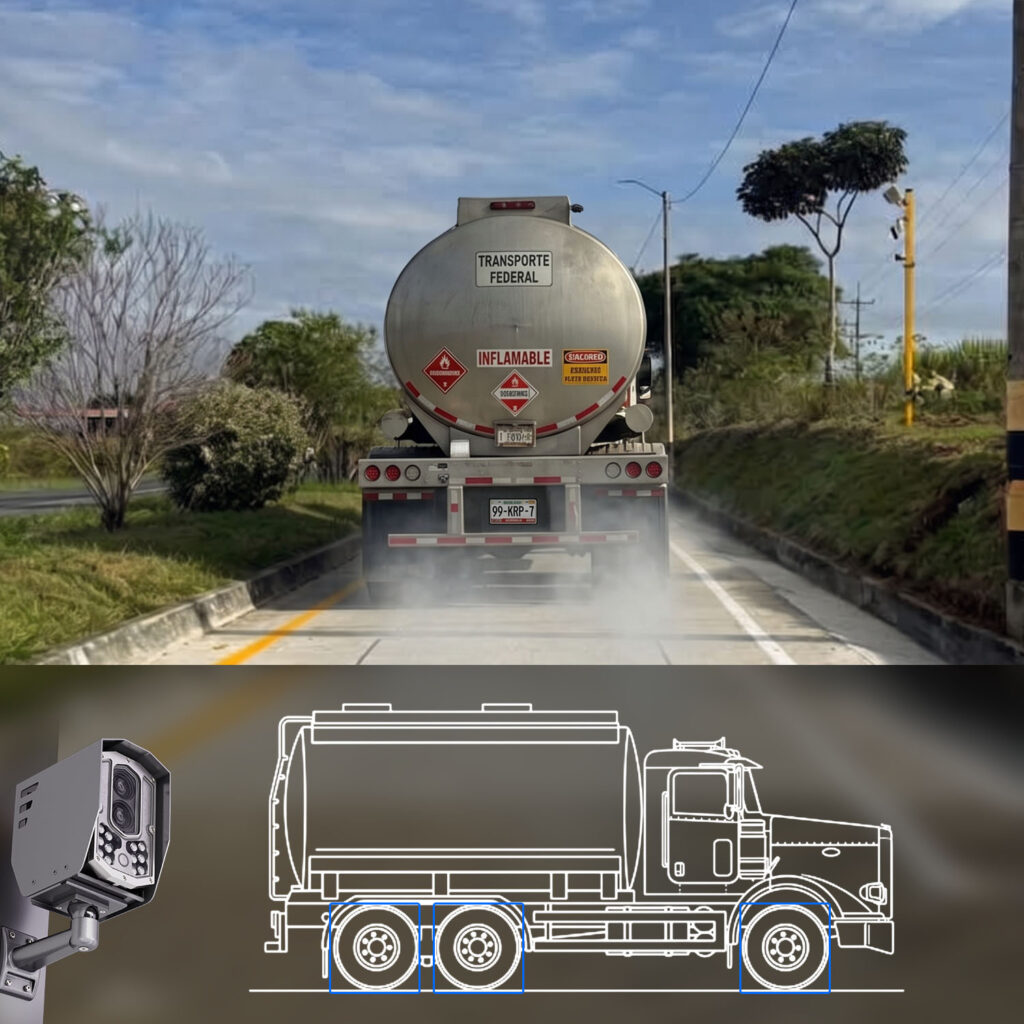
At the core of the field deployment are Adaptive Recognition’s Vidar Speed 2xFHD LT units. Each device combines:
- Dual high-resolution cameras for multi-lane capture
- Integrated radar for precise speed measurement
- Embedded Automatic Number Plate Recognition (ANPR)
- Make & Model Recognition (MMR) and vehicle classification
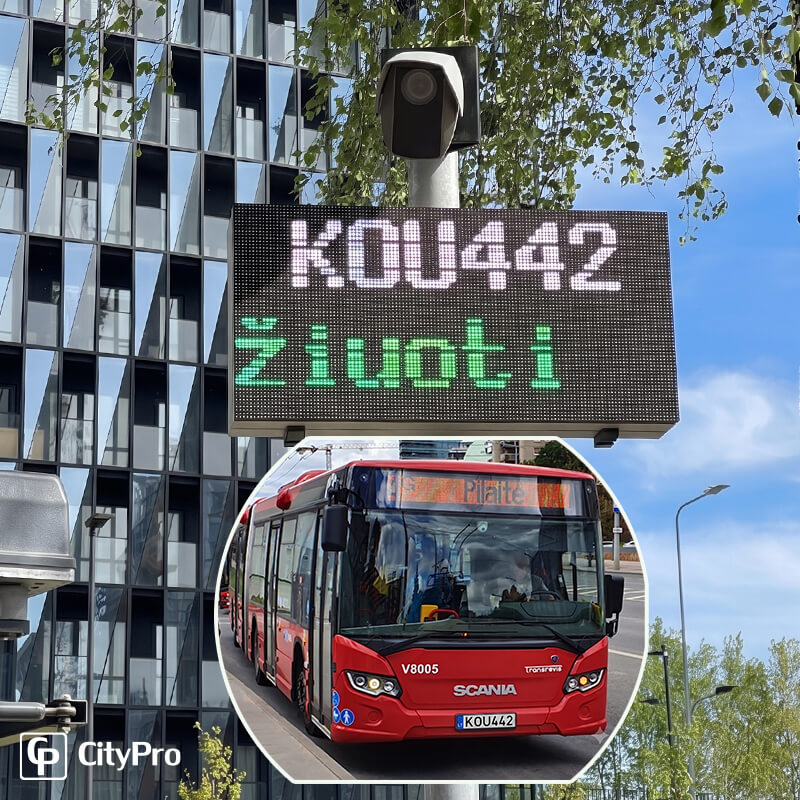
For every detected violation, the device automatically compiles the vehicle’s license plate, make, model, category, and speed into a single high-integrity evidence package.
Autotraffic built the complete operational ecosystem around this technology. Beyond the field deployment, the company designed the detection architecture, integrated the solution with the State’s C5 command-and-control centre, implemented the validation and signing workflow, deployed the supporting web portal and configured the complete end-to-end evidence process. Together, these components enable authorities to move efficiently from vehicle detection to validated enforcement cases.

Results & Smart City Impact
The scale of the deployment is reflected in its operational performance.
With over 9.4 million vehicle detections and 2.1 million signed infractions, the deployment has proven highly effective in curbing bus lane invasion.
By automating violation capture, the system has delivered:
- Increased efficiency of public transport through faster, unimpeded BRT travel times.
- Higher driver compliance across dedicated lanes.
- Scalable infrastructure aligned with broader smart city and safe city governance goals.
Building Better Urban Mobility Together
The Mexibús project demonstrates how close collaboration between a local systems integrator and a specialized technology provider can help address complex urban mobility challenges.
Autotraffic contributed its expertise in intelligent traffic enforcement, system integration and operational delivery, while Adaptive Recognition provided the vehicle recognition and speed enforcement technology at the heart of the deployment.
Together, the partners delivered a scalable solution that helps authorities keep dedicated bus lanes clear, improve road safety and support more reliable public transportation across one of Latin America’s largest metropolitan regions.