
- Access Control Systems
- Access Control
Streamlining Parking Management in North America
Vanguard Parking improved operations with the EINAR Vehicle Access Control Camera, enhancing efficiency and customer satisfaction.
Show more
Read more
View product
View report
Drag
System integrators deploy Adaptive Recognition subsystems across on-street
enforcement, off-street parking facilities, and smart parking guidance environments.
These subsystems are typically deployed as infrastructure investments (CAPEX)
combined with recurring software and service revenues.
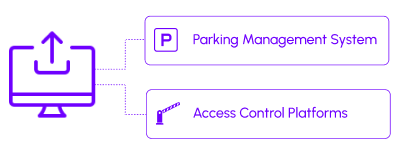
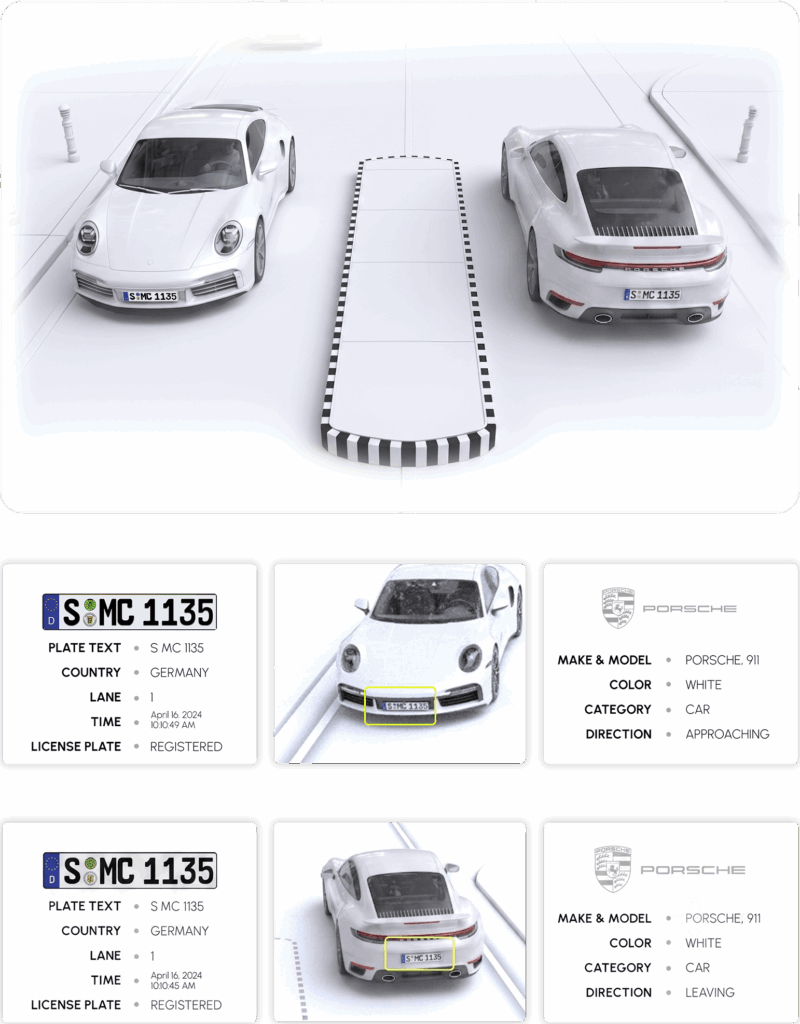
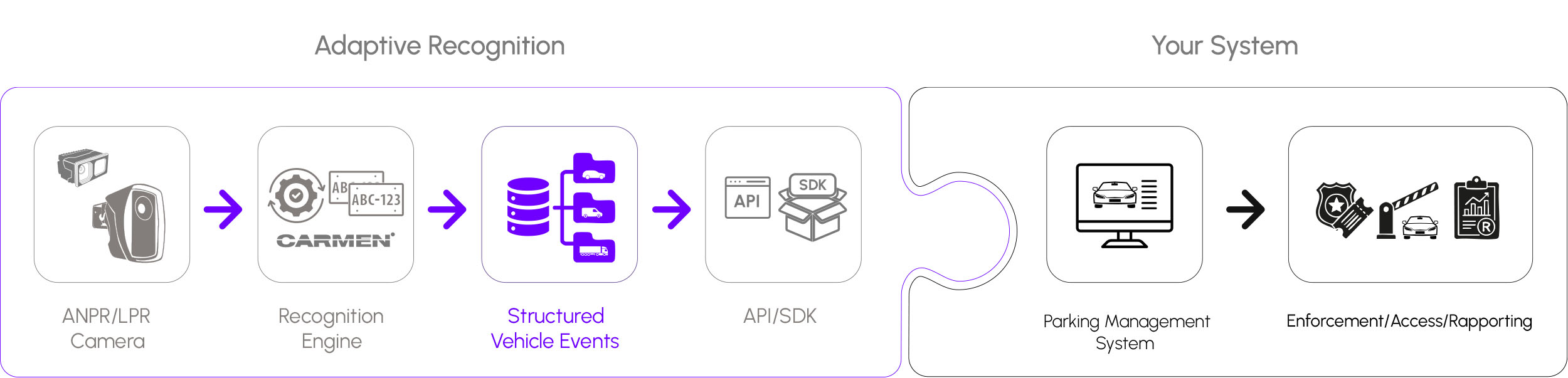
Each capture becomes a validated vehicle event, structured for direct integration into parking management, enforcement, and billing workflows.
Event records are generated after recognition logic, attribute enrichment, and confidence validation, not from raw image reads.
Entry and exit records remain linkable across distributed
cameras, lanes, and deployment models.
Events are transmitted via stable API endpoints in structured, documented formats aligned with PMS logic.
Across on-street, off-street, and guidance deployments, parking platforms depend on one constant: consistent vehicle identification events that parking logic, billing, and enforcement can trust.

Experienced parking operators and system integrators evaluate deployments across
architectural clarity, operational stability, and long-term governance requirements.
Consistent vehicle identification helps parking systems bill the right vehicle, every time. Reliable events improve revenue accuracy without changing billing or enforcement logic.
Recognition remains a separate subsystem. This keeps billing, enforcement, and parking logic clean and easier to maintain.
Stable hardware and software lifecycles reduce long-term integration risk. Predictable updates prevent unexpected changes across deployed parking environments.
Support for global plate diversity enables expansion into new regions without redesigning the system. One integration
can scale across markets and evolving regulatory requirements.
Structured vehicle events are delivered through stable, well-documented APIs and SDKs. Integrators can connect recognition systems without adding complex middleware.
Vehicle attributes such as make, model, and color are delivered in consistent formats. Parking platforms can process events reliably within existing system logic.
Recognition works in both on-premise and cloud-connected environments. Integrators can deploy the system without restructuring existing parking infrastructure.
Recognition processes varied plate formats, layouts, and regional syntax. This reduces custom configuration when systems expand to new jurisdictions.
Reliable vehicle identification reduces the number of events requiring manual review. This lowers operational workload across enforcement and billing workflows.
Capture and recognition operate consistently across real-world parking conditions. Events remain reliable despite lighting changes, traffic density, or weather.
Firmware and software updates are managed to avoid operational disruption. System changes remain predictable and aligned with existing workflows.
Structured vehicle events support efficient review and dispute handling. Records remain consistent, traceable, and defensible during operational checks.
Recognition components are deployed in regulated parking and mobility environments worldwide. This provides confidence for mission-critical deployments.
Structured vehicle events support defensible audit trails. Clear separation between recognition and commercial logic strengthens reporting transparency.
Long-term product availability and lifecycle planning reduce procurement risk. Hardware and software continuity support stable multi-year deployments.
Unified recognition logic operates across diverse plate standards and regional formats. This prevents fragmented system architectures across markets.
Structured vehicle identification supporting municipal regulation,
commercial access control, and high-volume ticketless environments.
For those who chase breakthroughs.
Explore products that push the
boundaries of what you can achieve.
Every industry faces unique obstacles. Discover how Adaptive Recognition can be your partner in tackling them head-on and emerging stronger.
Go beyond the claims, see the proof.
Explore our reference projects and
case studies for tangible evidence of
how Adaptive Recognition delivers
exceptional outcomes
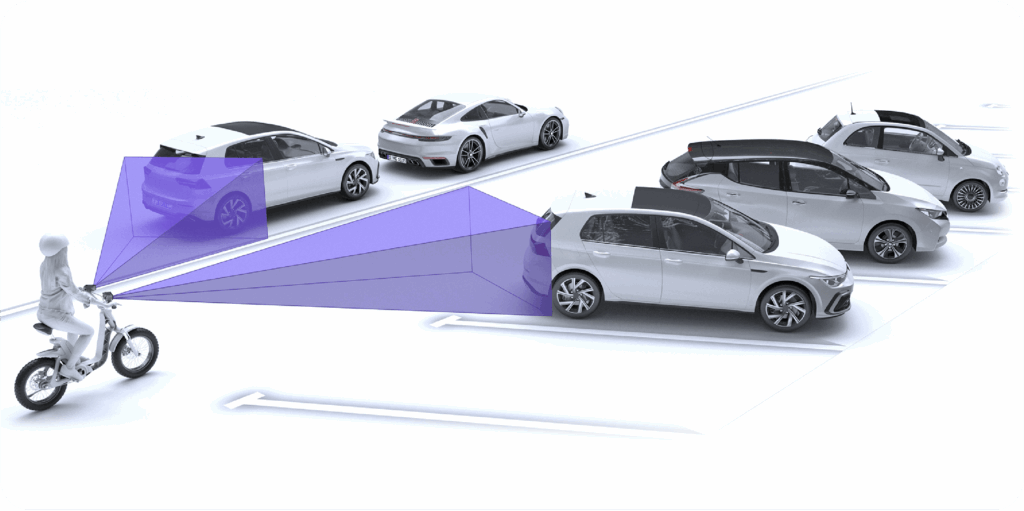
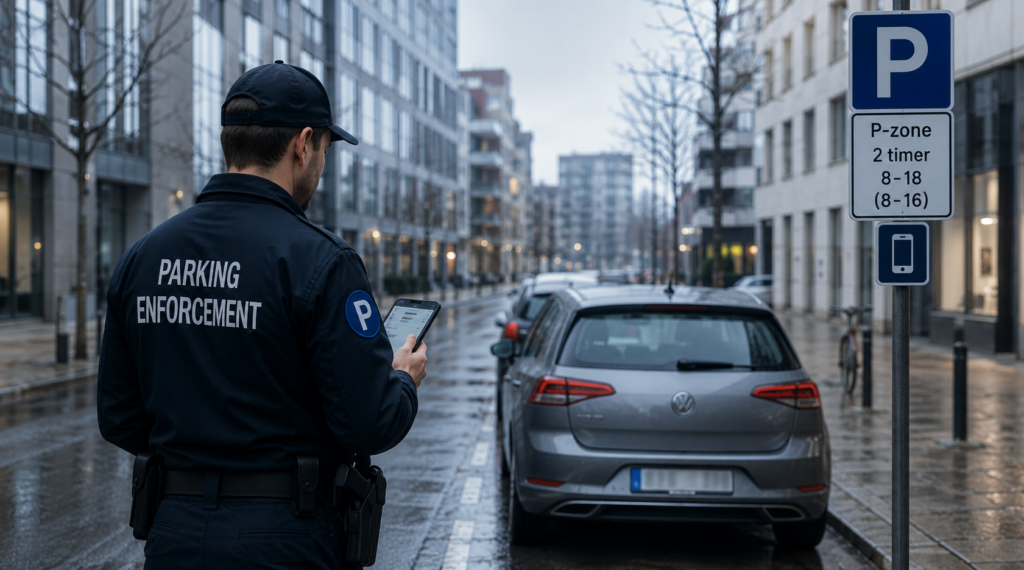
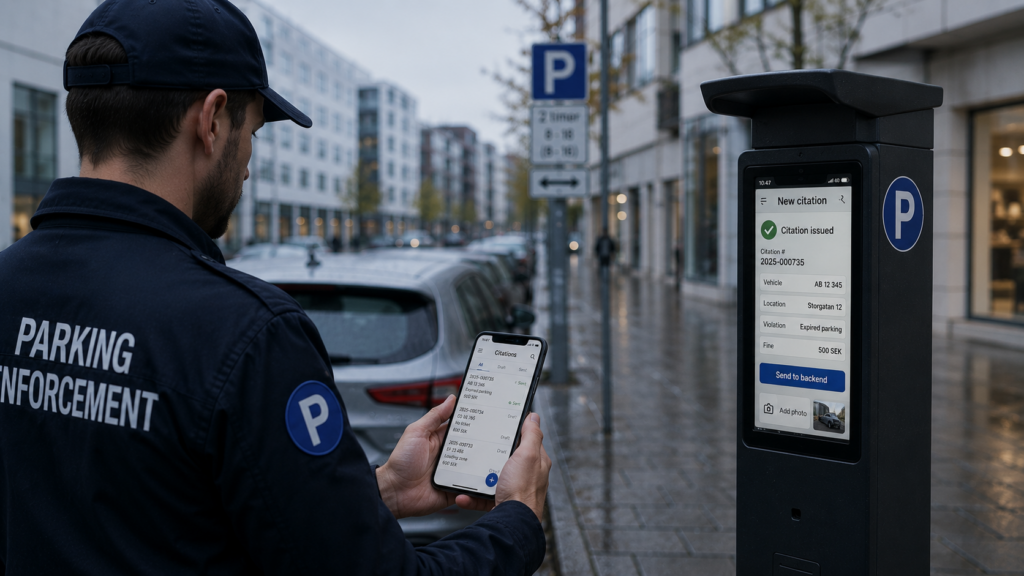
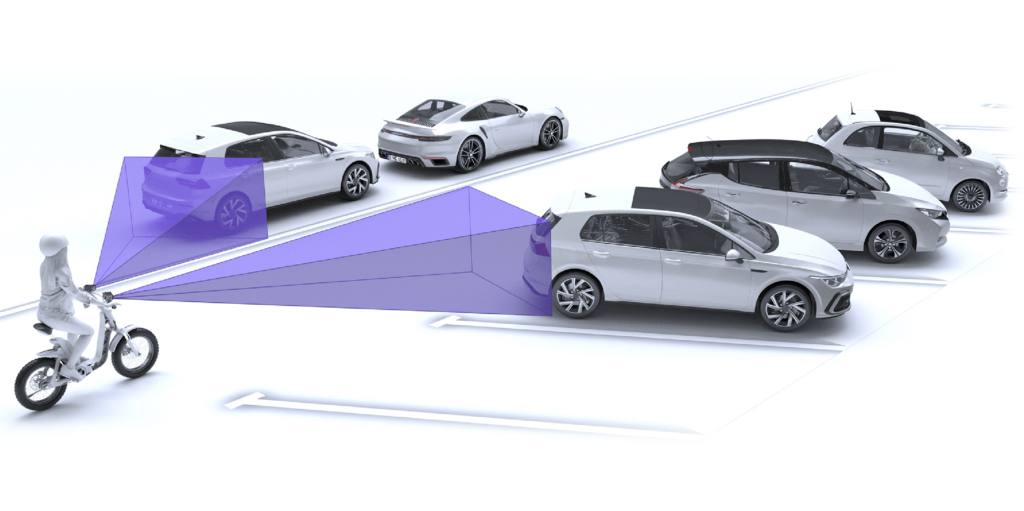
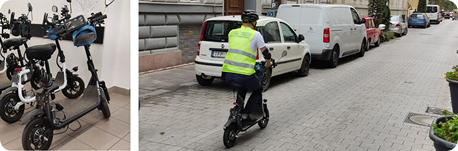
Vehicle identification systems mounted on bicycles, mopeds, or patrol vehicles allow inspectors to automatically detect parked vehicles, verify permits, and identify violations while patrolling enforcement zones.
Common mobile enforcement deployments include:
Solutions used:
Carmen Mobile Enforcement System
Lynet Parking Enforcement System
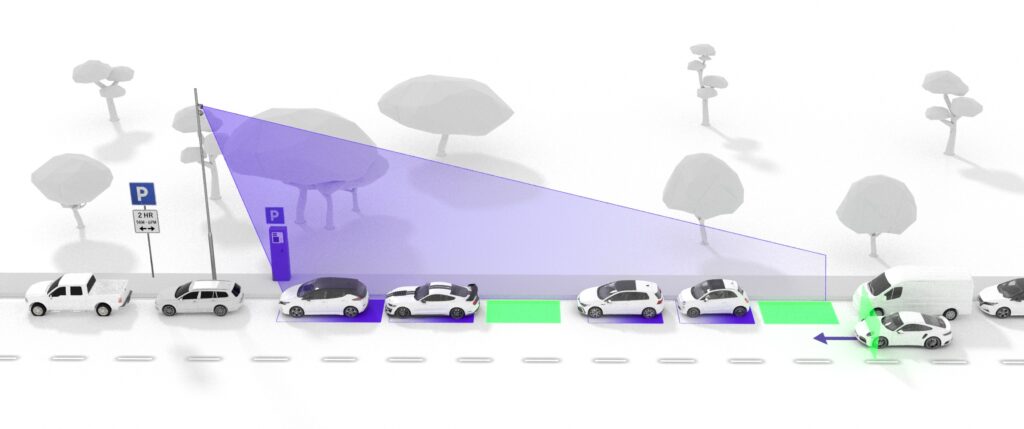
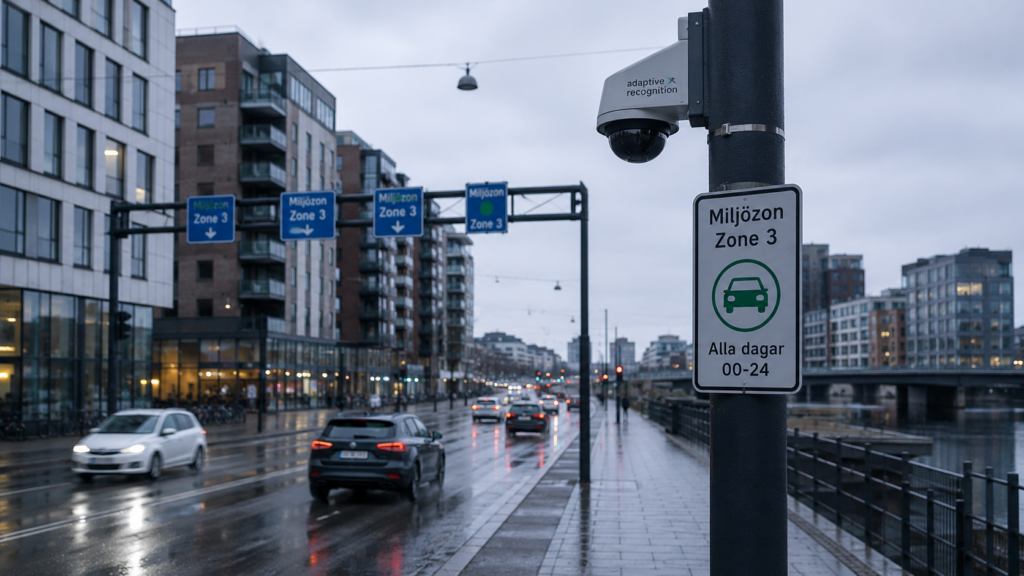
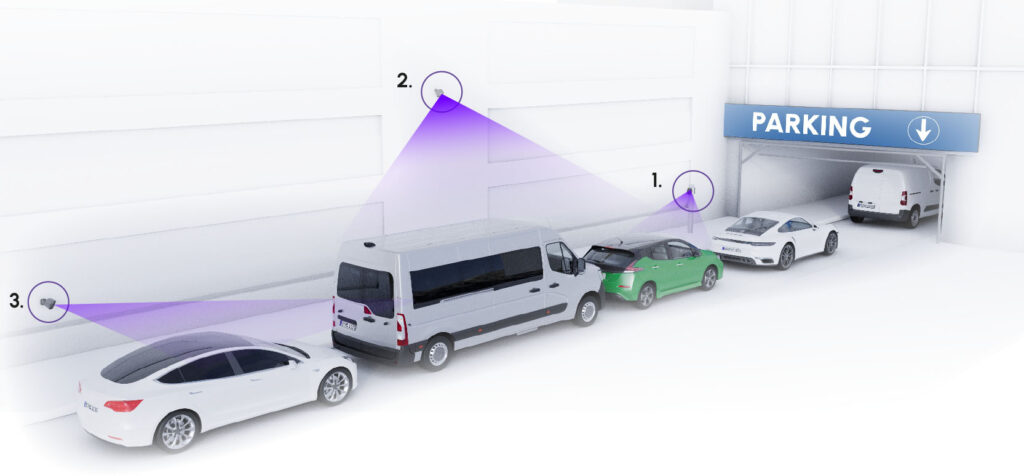
Fixed ANPR cameras installed on poles or street infrastructure monitor parking bays and regulated curbside zones without requiring patrol vehicles. These systems automatically identify parked vehicles and verify parking rule compliance.
Common fixed monitoring deployments include:
Solutions used:
Einar Curbside Monitoring System
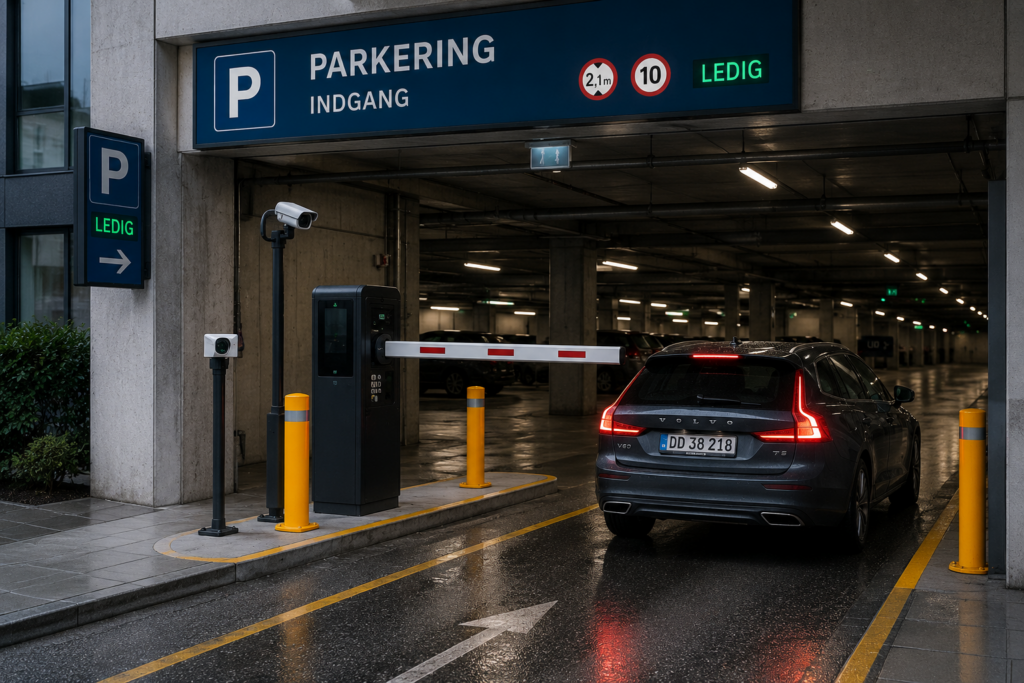
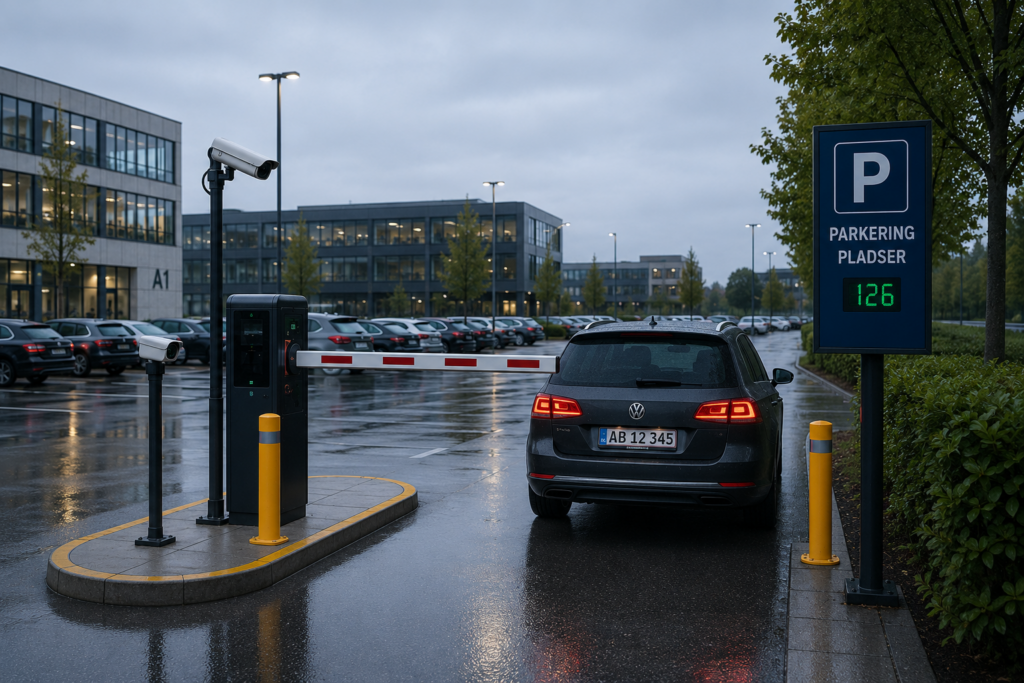
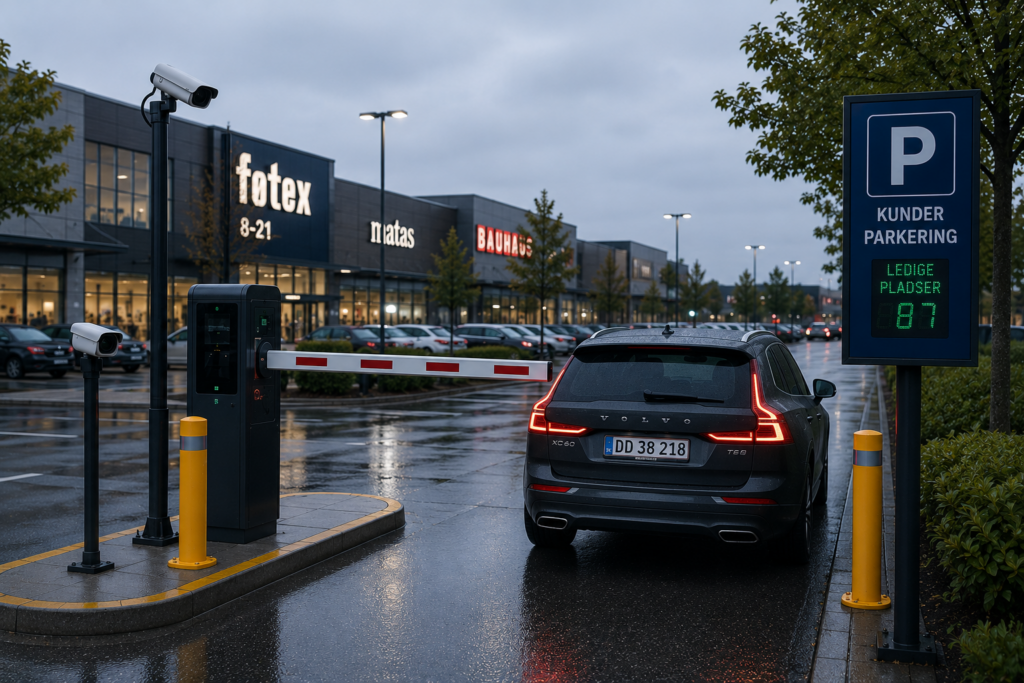
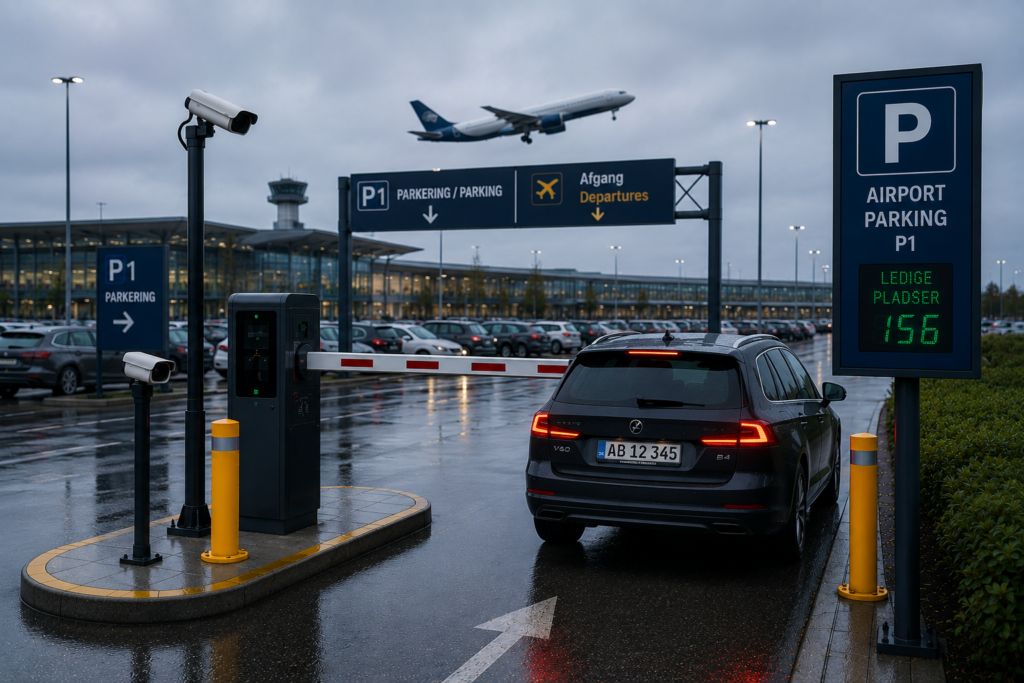
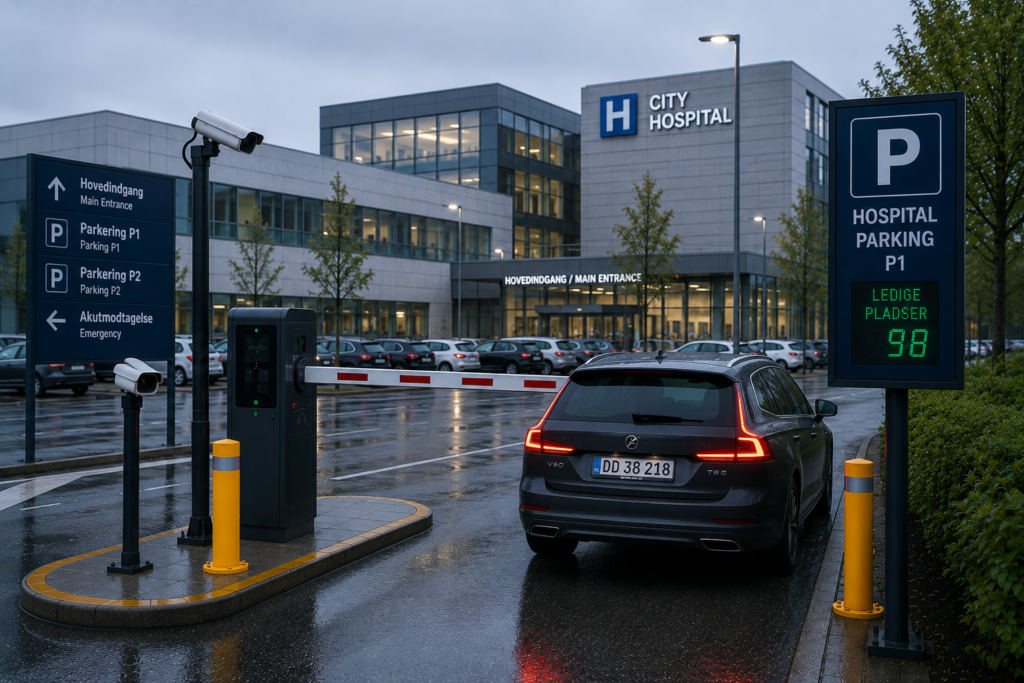
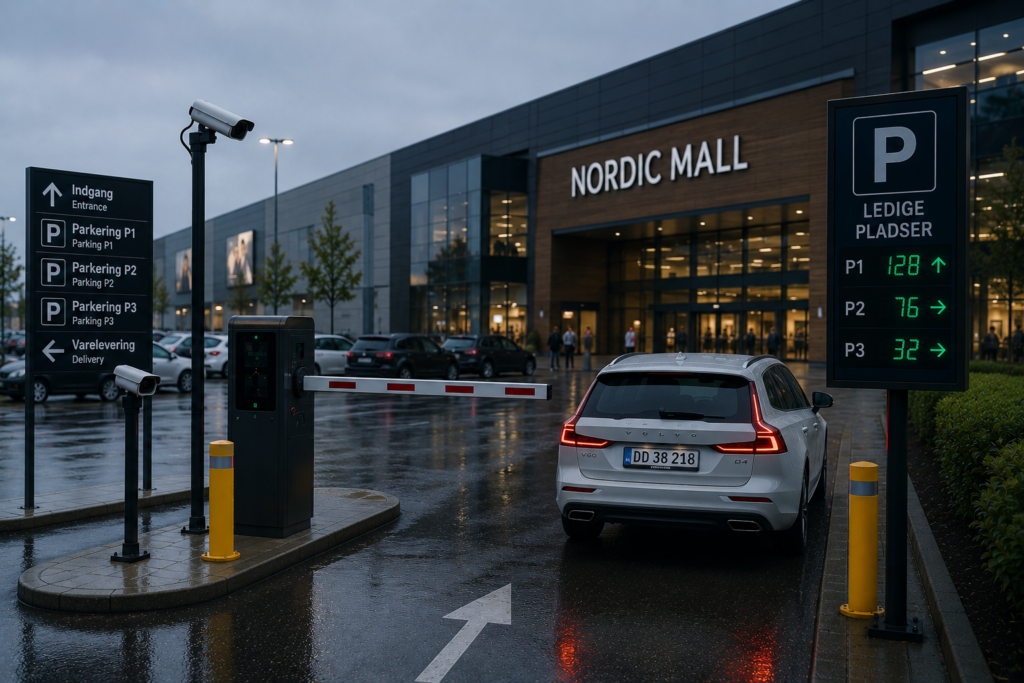
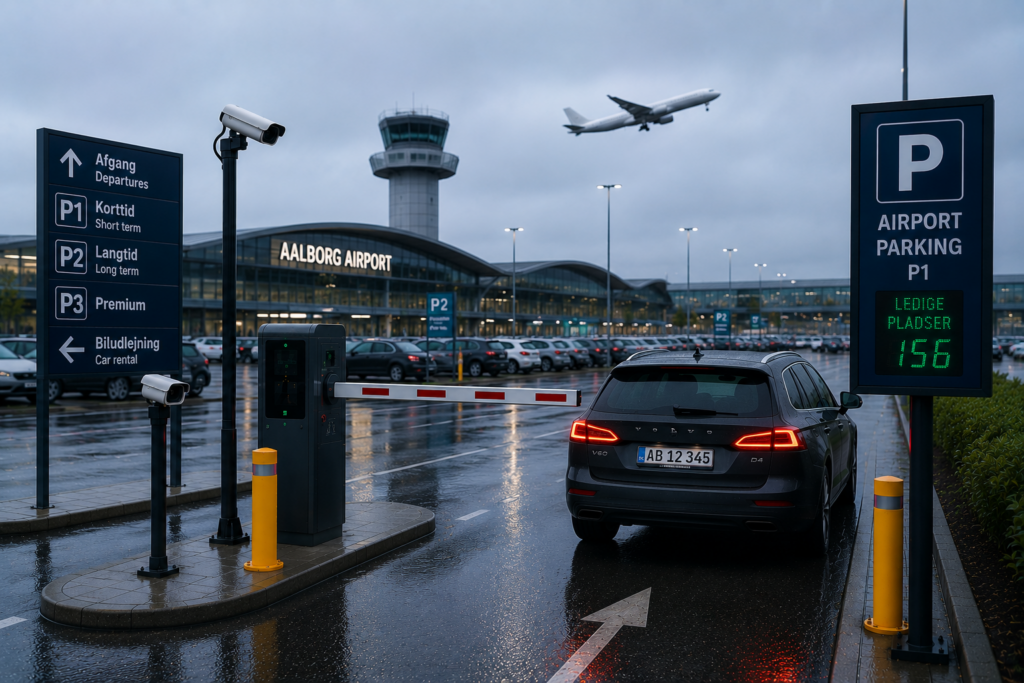
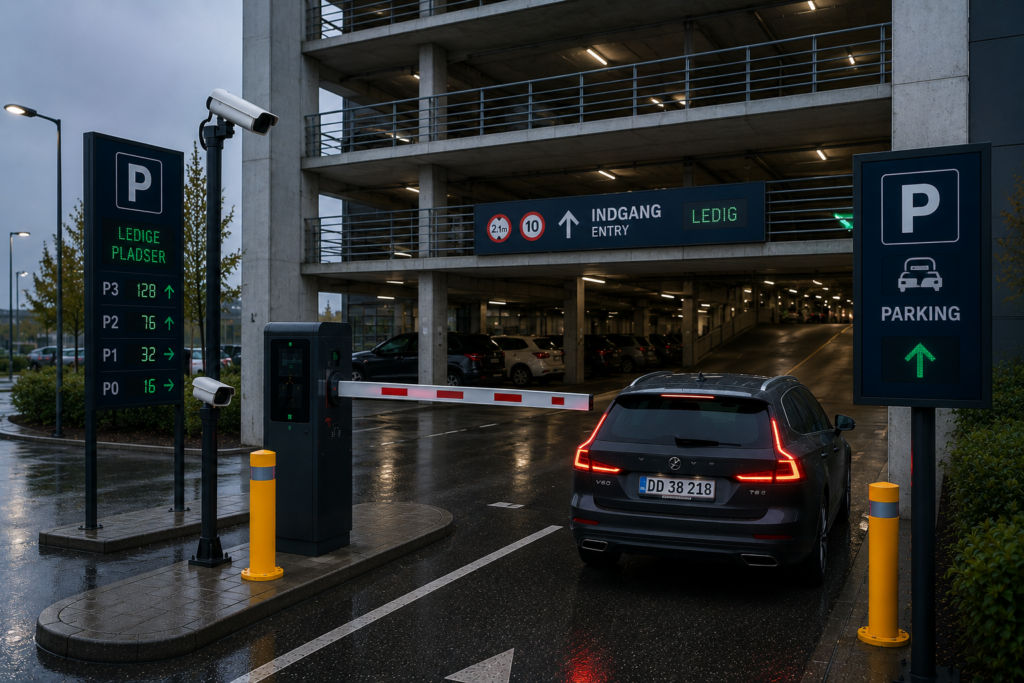
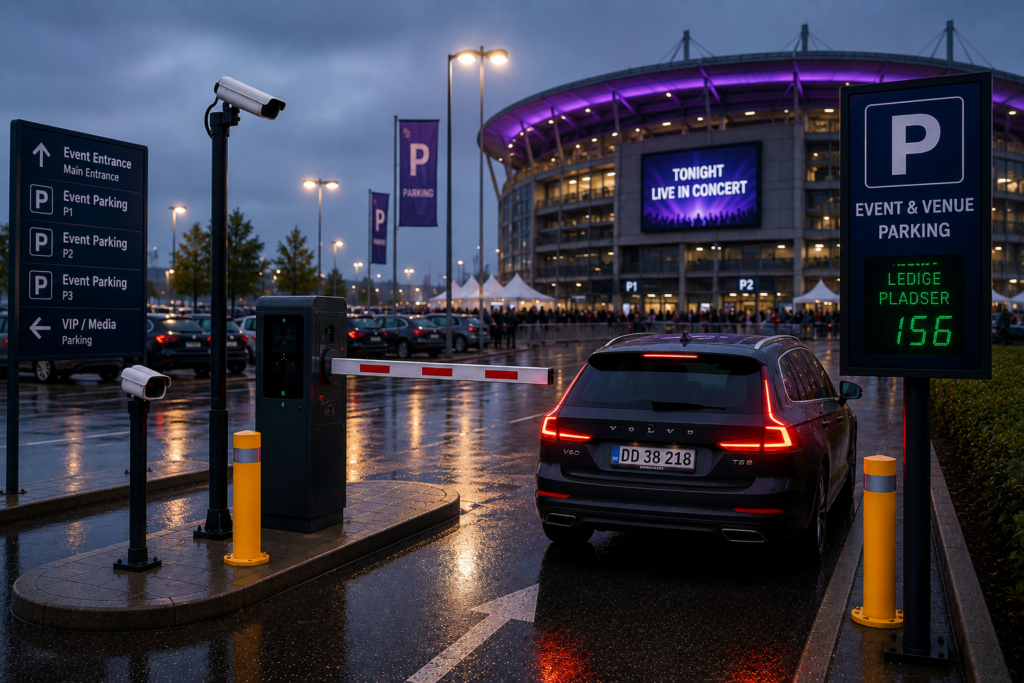
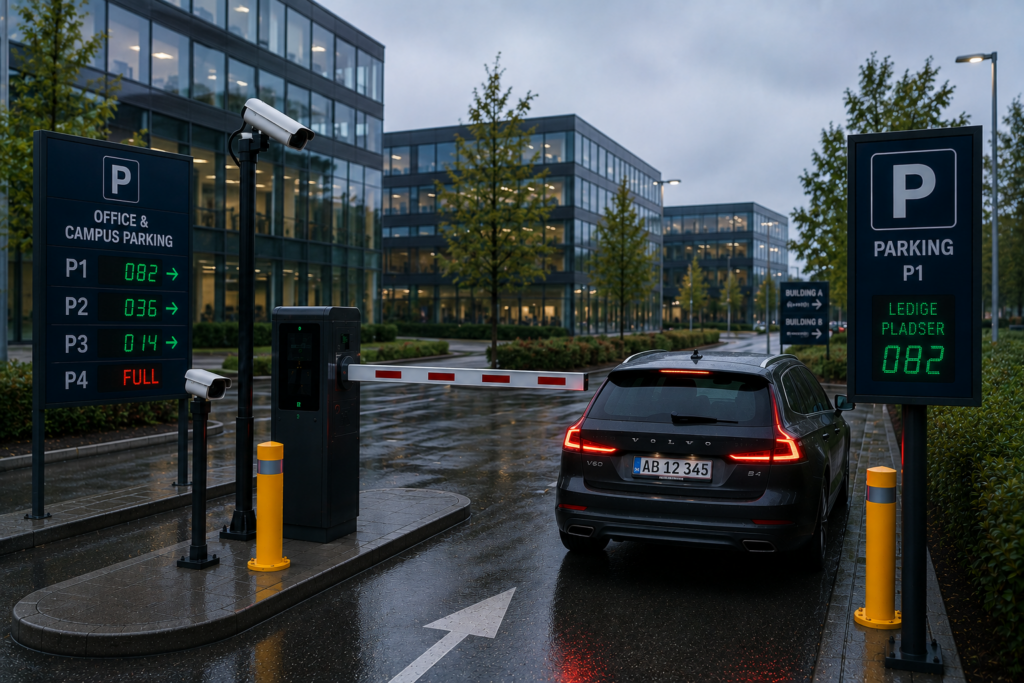
Barrier-controlled parking facilities require reliable vehicle identification at entry and exit points.
Adaptive Recognition supports system integrators with a lane-level identification subsystem designed for parking access and management environments.
The subsystem captures vehicle data and delivers structured identification events to parking management systems.
Typical deployments include:
Lane subsystem capabilities include:
Solutions used:
Einar Lane Controller System
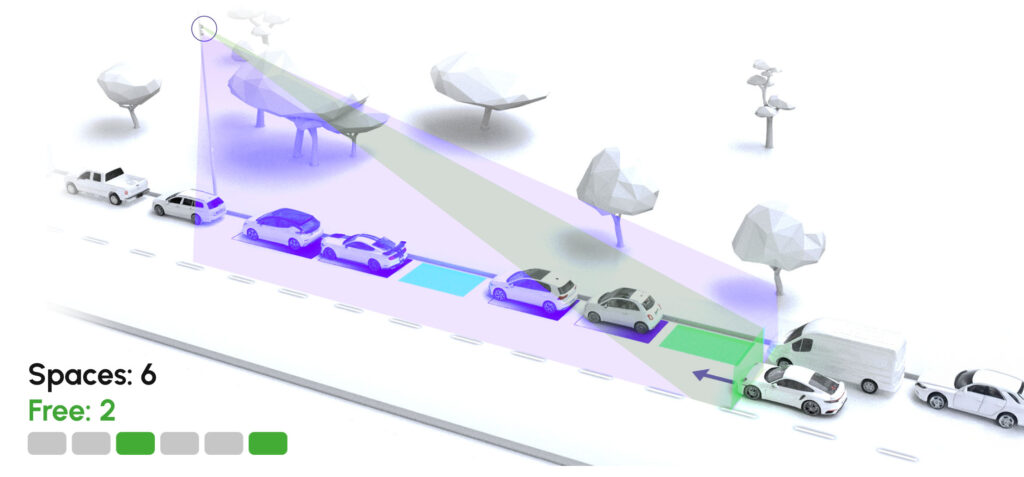
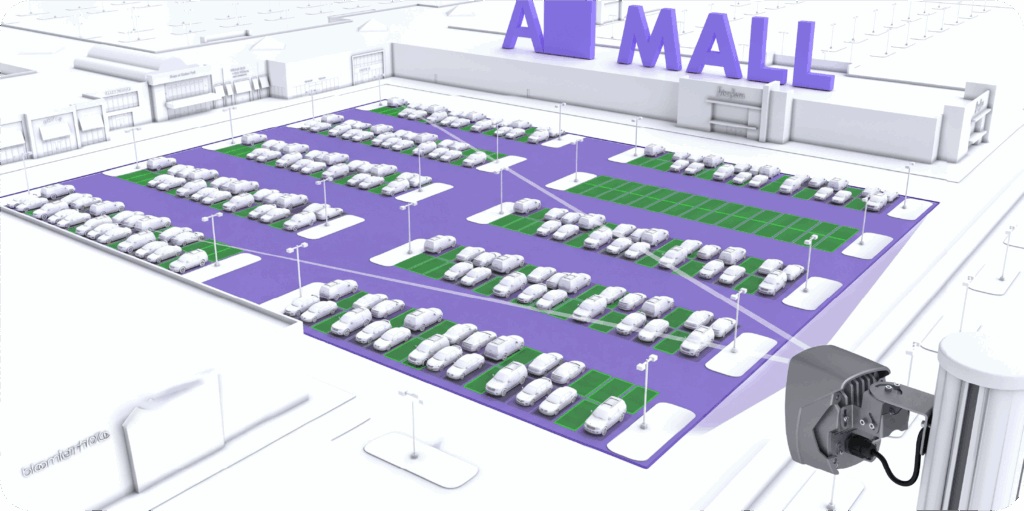
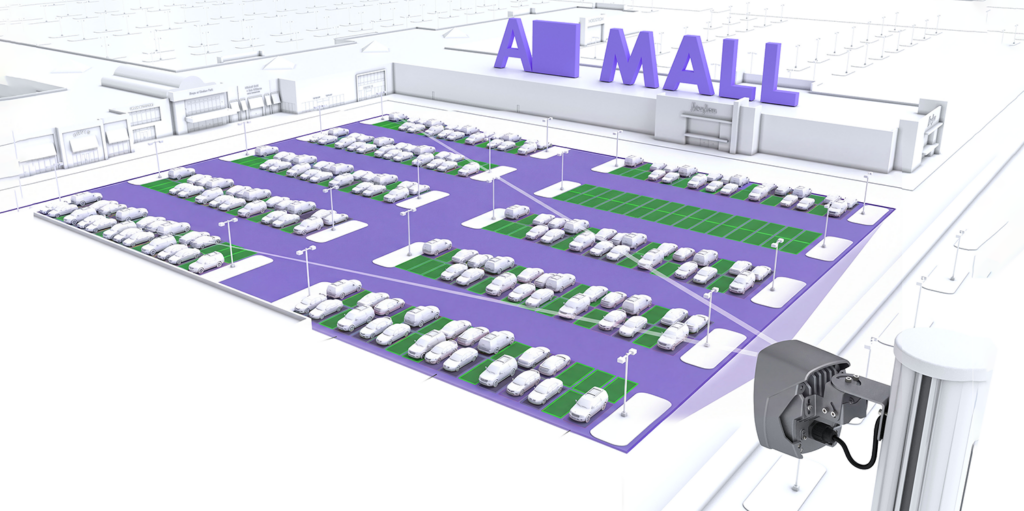
High-mounted cameras monitor large parking areas to detect occupied and available parking spaces.
The system generates real-time occupancy data that guidance platforms use to guide drivers toward available parking.
Common parking guidance deployments include:
Solutions used:
Einar Parking Area Monitoring System
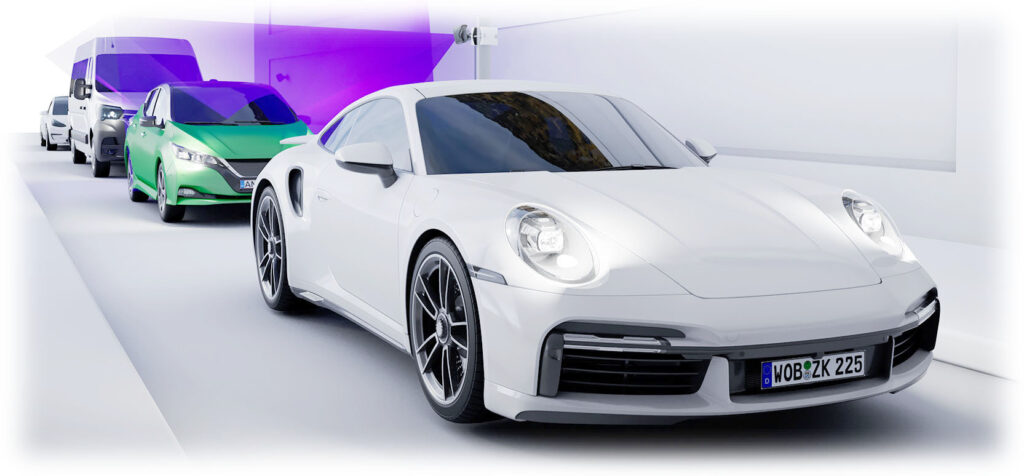
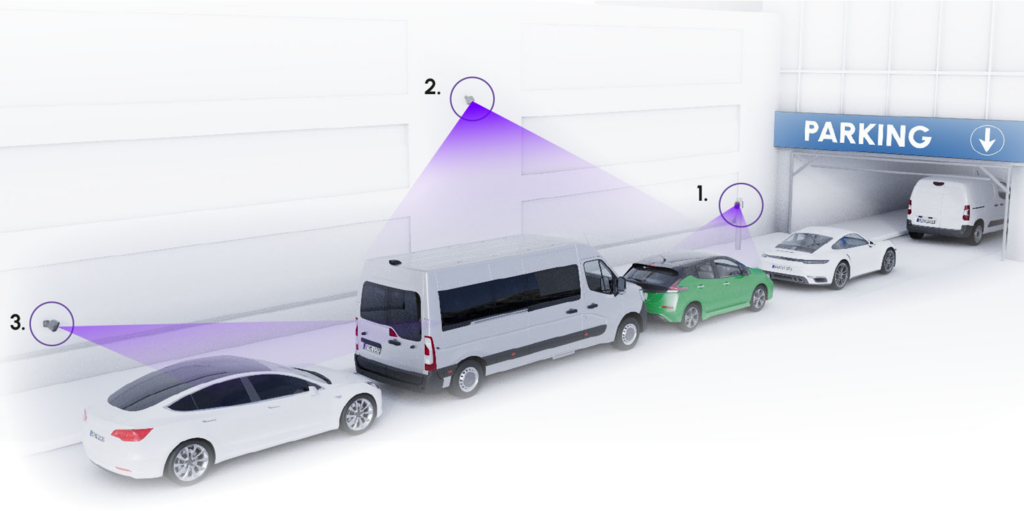
Lane-based identification systems capture vehicles entering and leaving parking areas.
This allows parking platforms to track vehicle movements and maintain reliable occupancy data.
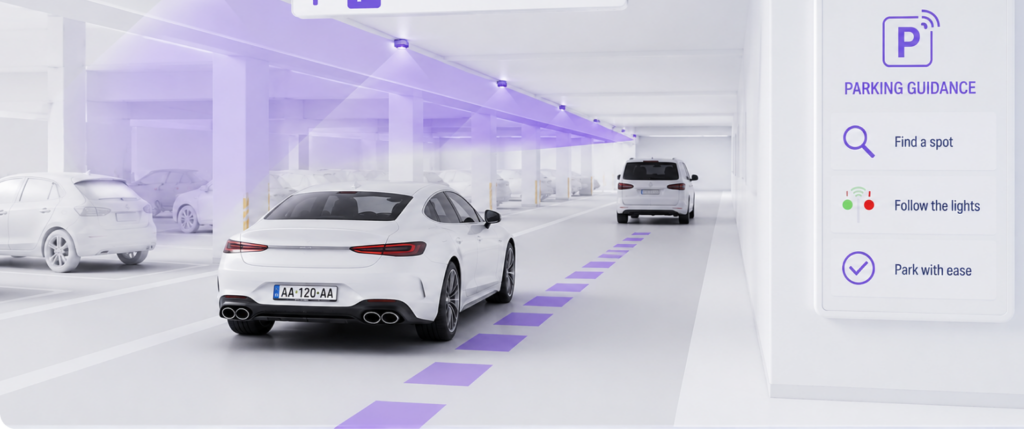
Common lane-level guidance deployments include:
Solutions used:
Einar Lane Controller System