













Show more

Read more

View product

View report

Drag

Reliable Vehicle Information for
Intelligent Transport Systems (ITS)

Reliable vehicle and traffic data that helps road operators, toll collectors, municipalities, and mobility service operators understand movement, manage infrastructure, and connect roadside systems to Smart Mobility Platforms.

Where Real-Time Vehicle Information
Powers ITS EcoSystems

Adaptive Recognition focuses on three core ITS areas — road toll, traffic management, and Smart Cities — helping road operators, toll collectors, municipalities and system integrators turn roadside data into usable traffic intelligence to increase efficiency, safety, and revenue assurance while reducing manual intervention with automation.

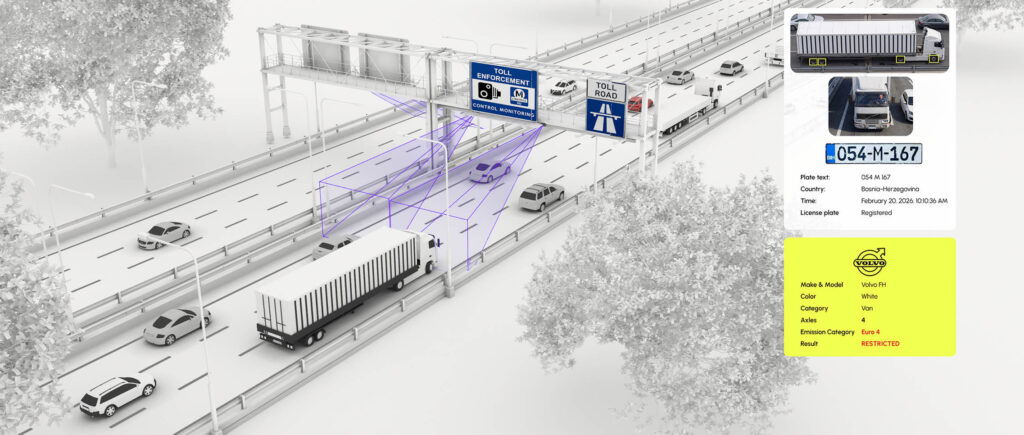
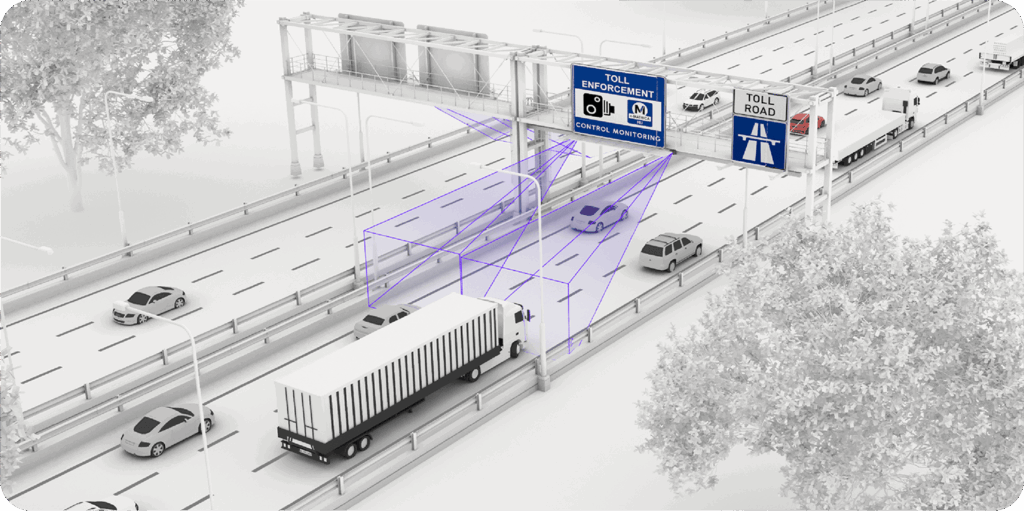
3D rendering of a multi-lane smart city toll road gantry featuring automated control monitoring and enforcement cameras projecting scan lines to track passing vehicles and cargo trucks.

Road
Tolling

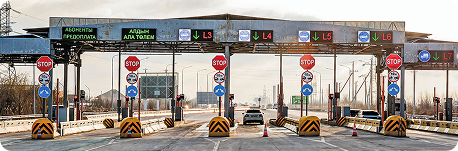
Improve road toll collection with automated, accurate vehicle data capture across multi-lane free-flow and gated tolling systems.

Road
Tolling

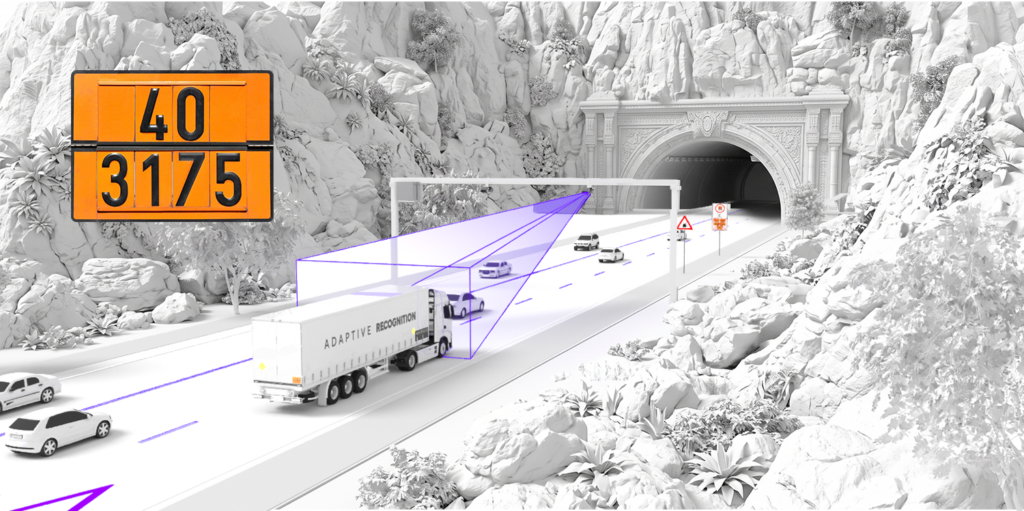
3D rendering of a highway traffic gantry leading into a mountain tunnel, featuring automated monitoring cameras that project scan lines over a cargo truck labeled 'Adaptive Recognition'. A digital overlay highlights an orange ADR hazardous materials plate with the numbers '40' and '3175' to symbolize automated dangerous goods identification.

Traffic &
Road Management - ITS

Improve visibility across roads, tunnels, bridges, and transport networks with reliable vehicle and hazardous goods data for traffic operations, safety management, and maintenance planning.

Traffic &
Road Management - ITS

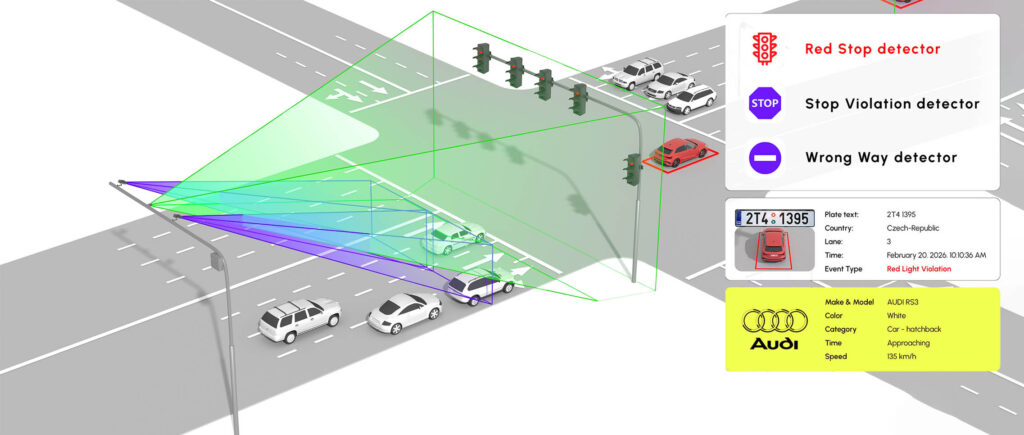
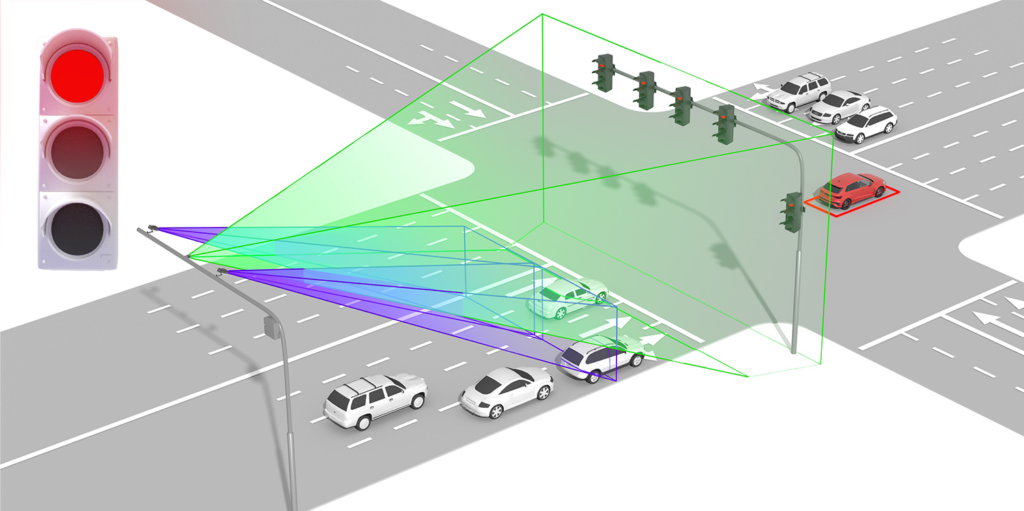
3D concept rendering of an urban intersection automated red light violation enforcement system, showing traffic cameras projecting green and purple detection zones over crossing lanes while a red vehicle is flagged for crossing the stop line during a red light phase.

Smart
City

Give cities clearer visibility for planning, operations, and mobility decisions through automated urban traffic monitoring, low-emission zones, and road network activity.

Smart
City

Reliable Vehicle Information
for ITS platforms

ITS platforms, road operators, and mobility systems rely on accurate, contextual traffic intelligence to support mobility and transportation operations. Adaptive Recognition helps transform roadside vehicle data into structured intelligence for traffic management, tolling, road usage, and regulated access systems.

Vehicle Data with Operational Value

Traffic systems need more than a plate read. Vehicle identity and attributes help cities understand what types of vehicles move through the network

  • License plate and country/region recognition
  • Vehicle make, model, generation, color, and category
  • Vehicle dimensions, axle configuration, and hazardous goods (ADR) identification
Vehicle Movement Information

Vehicle data becomes more useful when it is connected to the road environment where movement takes place.

  • Capture location and roadway reference
  • Lane, direction, and travel time
  • Zone entry and exit events
  • Corridor or multi-point movement records
Reliable Vehicle Information for ITS Platforms

Reliable vehicle information becomes valuable when it is delivered into the systems road operators and cities already use for monitoring, charging, planning and mobility operations.

  • Detailed traffic data delivery
  • Designed for Integration into ITS & Mobility Infrastructure.
  • Flexible data delivery for traffic management, road tolling, low-emission zones, smart city and road usage charging applications.
  • Reliable data foundation for monitoring, analytics and decision making
Built on Real
ITS Experience

Building successful ITS infrastructure requires more than recognition technology.
Adaptive Recognition combines technology innovation, large-scale deployment experience, and practical industry expertise to help road operators, toll authorities, and municipalities deliver systems that perform in the real world.

Technology Developer
Developed one of the first AI-based vehicle recognition technologies for ITS, giving road operators access to proven recognition technology rather than third-party components.
Deep Understanding of Partner Challenges
Designed and delivered large-scale ITS deployments, including Hungary's VÉDA traffic enforcement network and one of Europe's early MLFF tolling systems.
Industry Know How
Work directly with road operators, concessionaires and ministries to help define ITS projects that deliver operational value—not just technical compliance.
Global Deployment Experience
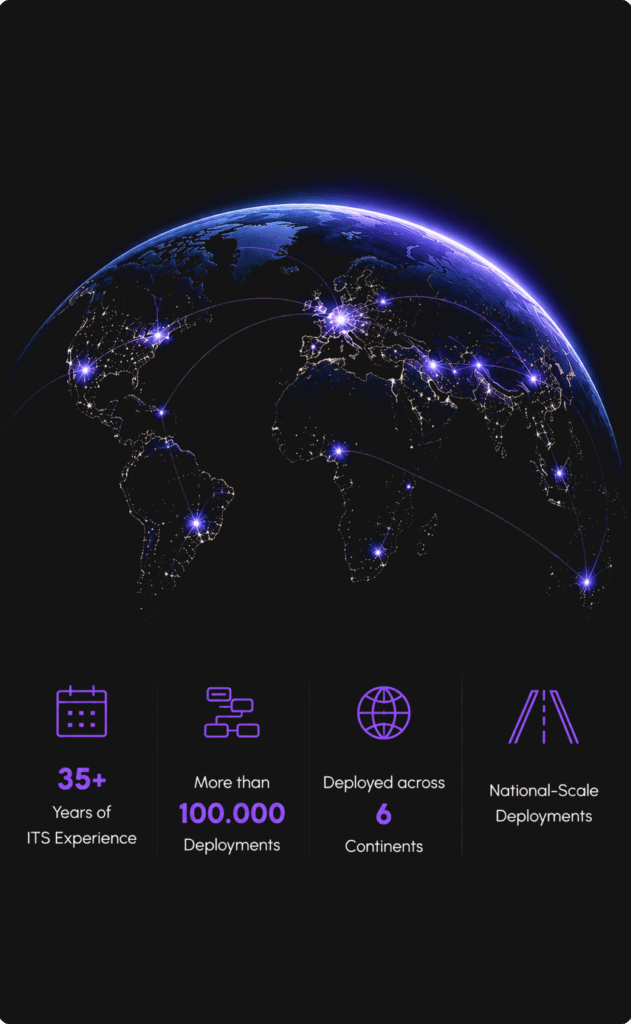
Technology deployed across all 6 continents , with more than 100.000 deployments, giving customers proven solutions across different road networks, regulations and operating environments.
Designed for Integration
into ITS & Mobility Infrastructure
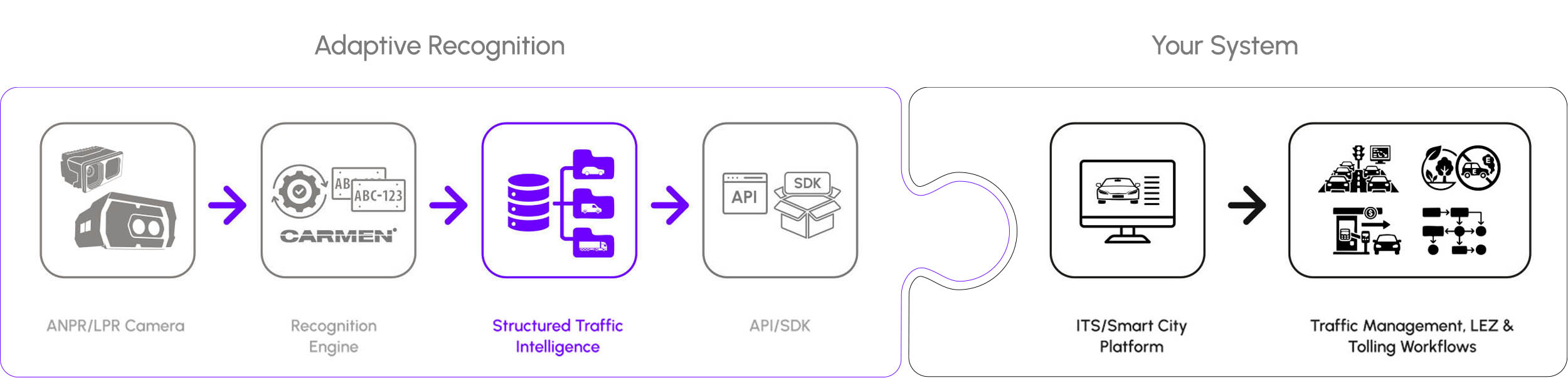
Adaptive Recognition bridges roadside recognition, back-office intelligence, and transportation platforms. Vehicle identity, movement records, and operational data are structured and delivered through documented interfaces to support traffic management, tolling, low-emission zones, smart city, and mobility applications.
Diagram showing the integration of Adaptive Recognition ANPR cameras and Carmen recognition engine via API and SDK into an end-user smart city platform for traffic management, LEZ, and tolling workflows.
What ITS Teams
Evaluate Before Deployment

Before traffic enforcement systems are deployed, teams look beyond recognition accuracy. They assess whether the technology can support enforceable records, roadside variability, operational review, and long-term program control.

Network-Level
Traffic Visibility

Mobility leaders need more than isolated roadside detections. Adaptive Recognition helps create consistent vehicle intelligence across roads, corridors, zones, and tolling points, supporting clearer visibility across the mobility network.

Support for
Mobility Policy Execution

Traffic policies only become operational when vehicle movement can be understood at the roadside. Adaptive Recognition supports LEZ, restricted-zone, tolling, and road usage initiatives with reliable vehicle data that connected systems can use.

Confidence Across
Multiple Use Cases

Smart city programs often involve several mobility priorities at once. Adaptive Recognition helps cities use one consistent vehicle recognition approach across traffic management, regulated zones, tolling, and road usage applications.

Long-Term
Program Value

ITS and smart city investments need to remain useful beyond the initial deployment. Adaptive Recognition supports long-term traffic infrastructure through recognition technology, centralized management options, and lifecycle service support.

Clean
Data Handover

Integration teams need traffic data that can move from roadside systems into ITS platforms without custom handling at every location. Adaptive Recognition supports this through structured output and documented API / SDK interfaces.

Defined
Recognition Layer

Vehicle recognition should sit clearly within the wider system architecture. Adaptive Recognition provides the roadside recognition layer, helping integrators keep traffic management, LEZ, tolling, and analytics logic separate and maintainable.

Consistency Across
Deployment Points

Distributed ITS projects often involve different camera positions, lanes, roads, and operating conditions. Adaptive Recognition helps maintain consistent vehicle recognition logic across roadside locations, reducing integration complexity as systems expand.

Scalable
System Architecture

Smart mobility infrastructure may start with selected corridors or zones and grow over time. Adaptive Recognition supports phased deployment models with recognition software, roadside hardware, and centralized management options that can scale across multiple sites.

Usable Traffic Data
in Daily Operations

Traffic teams need vehicle data that is clear enough to support daily monitoring, not just technically available. Adaptive Recognition helps provide structured traffic intelligence that operators can use across roads, intersections, corridors, and zones.

Visibility Across
Roadside Locations

Operators need to understand what is happening across distributed capture points. GDS can support centralized visibility into device status, event flow, alerts, and system behavior across monitored traffic infrastructure.

Reduced
Manual Interpretation

Traffic operations become harder when data arrives as isolated camera outputs or inconsistent reads. Adaptive Recognition helps structure vehicle identity, movement context, and traffic data so teams can work with clearer information.

Operational Continuity
During Change

Roadside systems need to remain useful through traffic variation, maintenance, updates, and expansion. Adaptive Recognition supports stable operation through recognition technology, centralized management, and service continuity where required.

Long-Term
Deployment Confidence

ITS and smart city infrastructure is rarely a short-term purchase. Adaptive Recognition supports long-term roadside deployments with purpose-built hardware, recognition software, centralized management options, and lifecycle service support.

Supplier
Continuity

Cities and road operators need confidence that hardware, software, updates, spare parts, and support remain available over time. Adaptive Recognition’s in-house development and manufacturing help reduce dependency risk across multi-year programs.

Phased Expansion
Without Rework

Smart mobility projects often expand from selected roads, corridors, or zones into broader coverage. Adaptive Recognition supports phased deployment models so recognition infrastructure can grow without forcing a complete redesign.

Service Structure
for Ongoing Operation

Adaptive Recognition Global Services can support deployments with Maintenance, Monitoring & Management, including SLA-based support, monitoring, remote diagnostics, escalation, and lifecycle continuity.

Deployed Across
Smart City and Road Usage Environments

Adaptive Recognition technologies support traffic and mobility deployments where vehicle data must remain reliable across city roads, highways, tolling infrastructure, and connected traffic systems.

Ready to Strengthen Your Intelligent Transport System?

Adaptive Recognition horizontal logo 2024
OUR REFERENCES

Go beyond the claims, see the proof.
Explore our reference projects and
case studies for tangible evidence of
how Adaptive Recognition delivers
exceptional outcomes

OUR RESOURCES

By those who see challenges as opportunities and rewrite the definition of impossible every day
Follow Adaptive Recognition