Show more
Read more
View product
View report
Drag
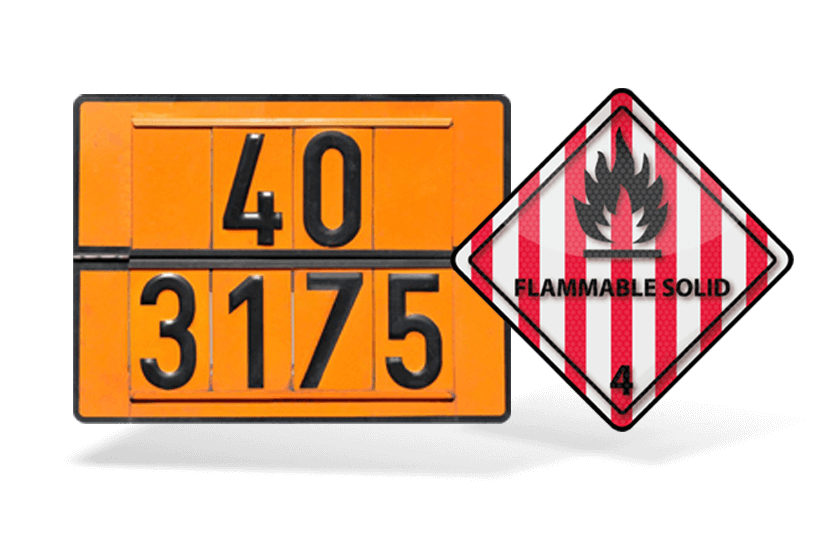
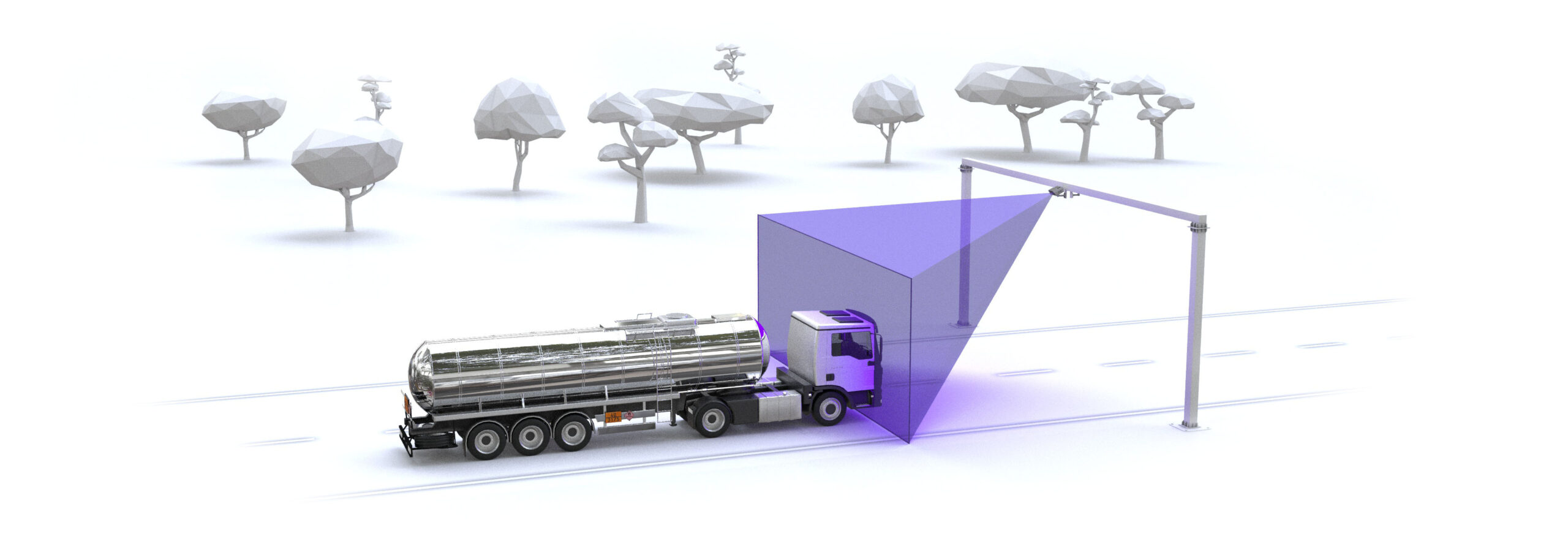
A Carmen® ADR kritikus eszköz a veszélyes áruk szállításának biztonságosabbá tételéhez. Ez a hatékony szoftver páratlan pontosságot nyújt az ADR és IMDG kódok felismerésében, biztosítva a veszélyes áruk gyors azonosítását. A zökkenőmentes integrációs képességekkel a Carmen® ADR lehetővé teszi a folyamatok optimalizálását, és kritikus információkkal látja el a mentőegységeket, végső soron biztonságosabb környezetet teremtve mindenki számára.
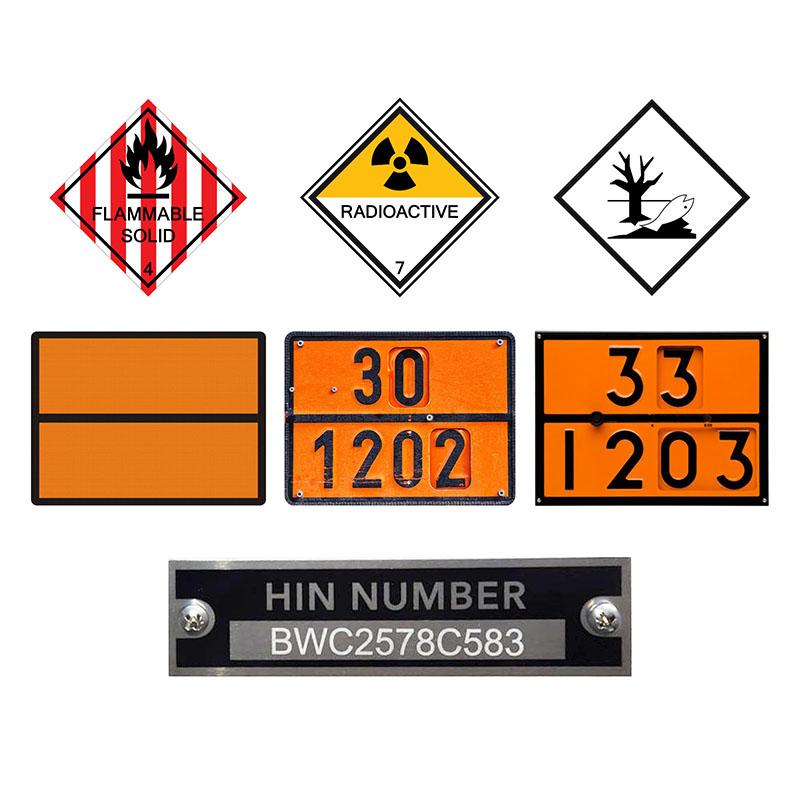
A Carmen® ADR túllép a földrajzi korlátokon. Szoftverkönyvtárunk széles körű támogatást nyújt a veszélyes áruk jelöléseihez, beleértve az ADR, E-ADR, HIN, KEMLER és IMO kódokat. Ez biztosítja a zavartalan működést a helyszíntől vagy az alkalmazott jelölési rendszertől függetlenül, valódi globális megoldást kínálva a veszélyes áruk azonosítására.
Az integráció egyszerű. A szoftver felhasználóbarát API-val rendelkezik, amely lehetővé teszi a könnyű beépítést a meglévő infrastruktúrába. Ez minimalizálja a munkafolyamatok megzavarását, és leegyszerűsíti a Carmen® ADR hatékony felismerési képességeinek alkalmazását.
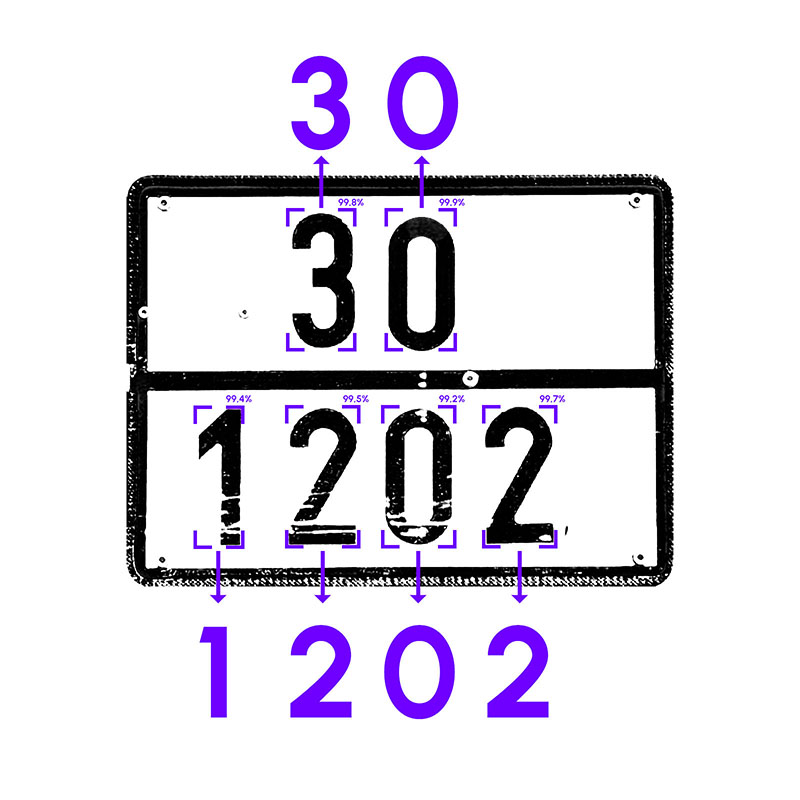
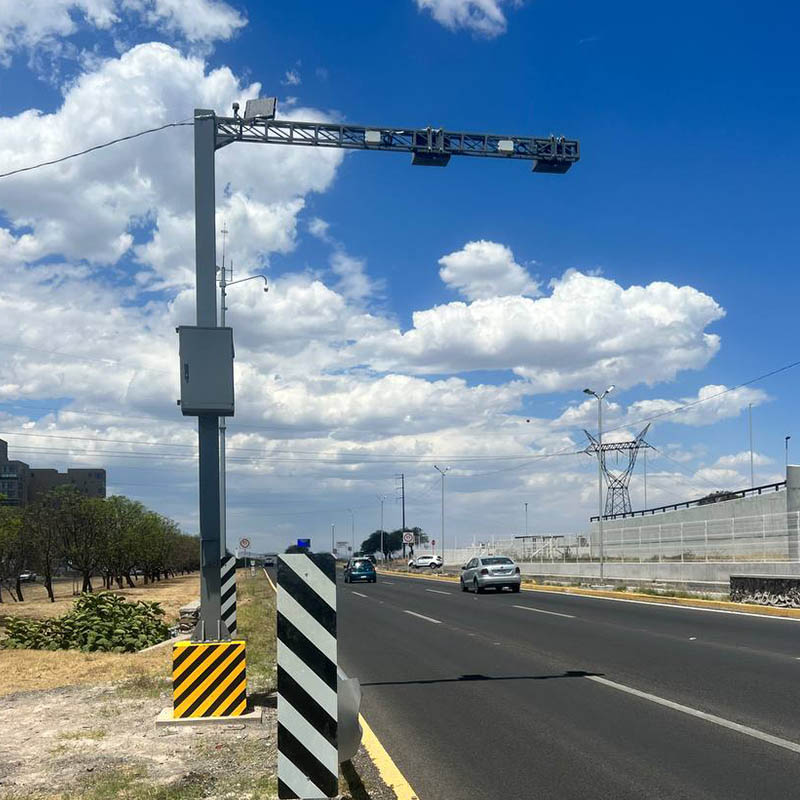
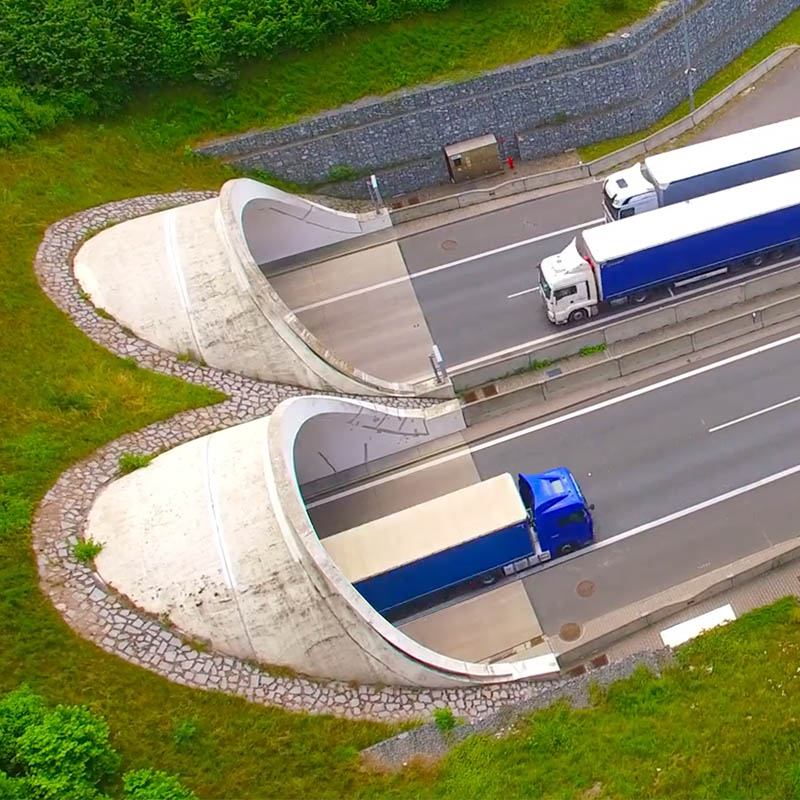
A Carmen® ADR túlmutat az alapvető kódfelismerésen azáltal, hogy az üres ADR-táblákat is azonosítja, amelyek többféle veszélyes árura utalhatnak. Ez a fejlett képesség növeli a biztonságot az utakon, hidakon, alagutakban és minden olyan területen, ahol veszélyes anyagokat szállítanak.
Ez a szoftver különböző rendszerekkel működik együtt, és lehetővé teszi a kimenet testreszabását, megkönnyítve a használatot és az integrációt. Ezek a fejlett funkciók lehetővé teszik a Carmen® ADR teljes potenciáljának kihasználását, maximalizálva a pontosságot, a hatékonyságot és az összértéket.

ADR, eADR, HIN, KEMLER és IMO (IMDG) kódok felismerése.

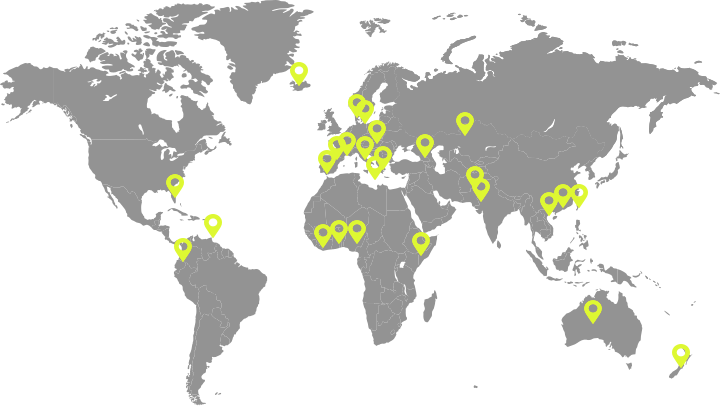
A megoldást világszerte több ezer rendszerben használják.

Alkalmazható kisebb, közepes és nagy, összetett rendszerekben is.

Az SDK képfeldolgozáson alapuló felismerést biztosít.

Windows és Linux rendszereken futtatható.

Évente több frissítéssel, folyamatos fejlesztéssel.
A Carmen® ADR a veszélyes áruk jelöléseinek széles körét ismeri fel, beleértve az ADR, eADR, HIN, KEMLER és IMO (IMDG) kódokat.
A minimális rendszerkövetelmények: Processzor: 2 GHz vagy gyorsabb Memória: legalább 1 GB RAM Tárhely: legalább 1 GB A szoftver Windows (64 bit) és Linux (32/64 bit) operációs rendszereken fut.
A Carmen® ADR képes állóképek feldolgozására fájlokból vagy memóriából, többek között BMP, PNG, JPEG és RAW formátumokban. A kimenet tartalmazza a felismert kódokat, azok pozícióját a képen, valamint a felismerés megbízhatósági szintjét.
A Carmen® ADR egyszerűen integrálható API-n keresztül. Támogatott programozási nyelvek: Windows: C/C++, C#, VB.NET, Java Linux: C/C++, Java
A Carmen® ADR évente négy frissítést kap annak érdekében, hogy naprakész maradjon az új szabványokkal és technológiákkal.
A csomag tartalmaz fejlesztői könyvtárakat (.dll, .so), demóalkalmazást, mintakódokat, valamint részletes dokumentációt az integráció támogatásához.
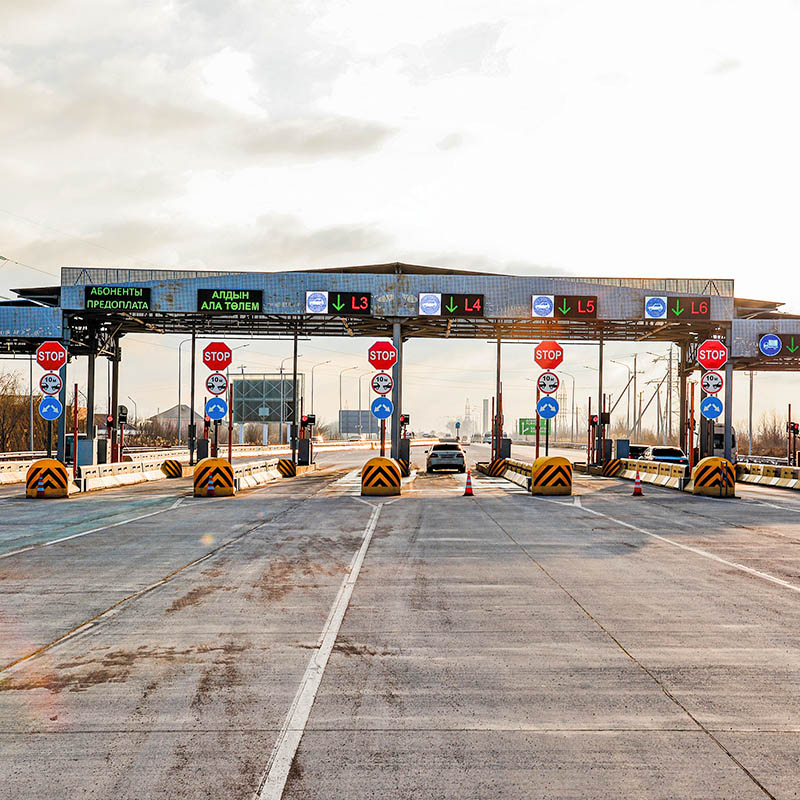
A Carmen® ADR megbízható megoldást kínál a veszélyes anyagok azonosítására különböző alkalmazási területeken. Néhány tipikus felhasználási terület:
/** \file ********************************************************************* * * cmanpr01 – CMANPR sample program * * 2006-2021 (c) ARH Informatikai Zrt. Inc. (http://www.adaptiverecognition.com) ******************************************************************************/ /** * Show an ANPR process * * Purpose: * At the beginning, the application is checking if everything is all right with the gxsd.dat syntax, if not, the execution will stop and will notify the user about the problem. * Shows how to do an ANPR on an image and print out the result in text */ #include “gxsdldr.c” #include “gximage.h” #include “cmanpr.h” #include “gxproperty.h” //—————————————————————————— // If an error occurred it displays the error and terminates the program void term_if_err(int st) { int err_code; wchar_t err_str[256]; if(st) return; // No error occurred // Displays error code and description err_str[(sizeof(err_str)/sizeof(wchar_t))-1] = 0; gx_geterror(&err_code, err_str, (sizeof(err_str)/sizeof(wchar_t))-1); fprintf(stderr, “GX error (%x) occurred: %ls\n”, err_code, err_str); // Terminates the program exit(1); } //—————————————————————————— int main(void) { struct gxHANDLE anprhandle, imagehandle; struct gxIMAGE *image; struct cmNP *anprresult; struct gxHANDLE prophandle; char propstat[512] = “”; wchar_t engname[256]=L””; int st; int b_islic; /** Open the container reader */ st = gx_openmodulea(&prophandle, “gxproperty”, “default”); term_if_err(st); if (!gx_ispropertiesvalid(prophandle, propstat, 512)) { printf(“The gxsd.dat file is invalid.\n%s\n”, propstat); exit(1); } printf(“The syntax of the gxsd.dat file is fine!\n\n”); // Opens the ANPR module with default properties st = gx_openmodule(&anprhandle, L”cmanpr”, L”default”); term_if_err(st); // Opens the image module and allocates the image structure st = gx_openmodule(&imagehandle, L”gximage”, L”default”); term_if_err(st); st = gx_allocimage(imagehandle, &image); term_if_err(st); // Gets the name of the default engine st = gx_getmoduleproperty(anprhandle,L”anprname”,engname,256); term_if_err(st); printf(“Engine: ‘%ls’\n\n”, engname); // Checks the licenses for the default engine b_islic = 0; st = cm_findlicenses4engine(anprhandle,0,0,&b_islic,0,0); term_if_err(st); if (!b_islic) { printf(“Cannot find licenses for the current engine!!!\n”); exit(1); } // Loads the sample image st = gx_loadimage(imagehandle, image, L”../../../data/plate.jpg”, GX_UNDEF); term_if_err(st); // Finds the first license plate anprresult = 0; st = cm_findfirst(anprhandle, image, &anprresult); term_if_err(st); if(anprresult) { char cc[256]=””; // Get short country code st = cm_getcountrycode(anprhandle,anprresult->type,(int)CCT_COUNTRY_SHORT,cc,sizeof(cc)); term_if_err(st); //Displays the result, Country code and type printf(“Plate text: ‘%s’; Country code: ‘%s’ (%i)\n”, anprresult->text, cc[0]?cc:”No plate type”, anprresult->type); // Frees up the result st = gx_globalfree(anprresult); term_if_err(st); } else { // No plate printf(“No license plate found\n”); } // Frees up the resources st = gx_unrefimage(imagehandle, image); term_if_err(st); st = gx_unrefhandle(&imagehandle); term_if_err(st); st = gx_unrefhandle(&anprhandle); term_if_err(st); return 0; } //——————————————————————————
/** \file ********************************************************************* * * cmanpr01 – CMANPR sample program * * 2006-2021 (c) ARH Informatikai Zrt. Inc. (http://www.adaptiverecognition.com) ******************************************************************************/ /** * Show an ANPR process * * Purpose: * At the beginning, the application is checking if everything is all right with the gxsd.dat syntax, if not, the execution will stop and will notify the user about the problem. * Shows how to do an ANPR on an image and print out the result in text */ #include “gxsdldr.cpp” #include “gximage.h” #include “cmanpr.h” #include “gxproperty.h” //—————————————————————————— using namespace std; using namespace gx; using namespace cm; //—————————————————————————— int main(void) { try { gxProperty gxProperty; gxProperty.IsPropertiesValid(); cout << “The syntax of the gxsd.dat file is fine!\n” << endl; // Creates the ANPR object cmAnpr anpr(“default”); // Creates the image object gxImage image(“default”); // Gets the name of the default engine wcout << L”Engine: ‘” << anpr.GetProperty(L”anprname”) << L”‘\n\n”; // Checks the licenses for the default engine if (!anpr.CheckLicenses4Engine(L””,0)) { wcout << L”Cannot find licenses for the current engine!!!\n”; return 1; } // Loads the sample image image.Load(“../../../data/plate.jpg”); // Finds the first license plate if(anpr.FindFirst(image)) { // Get short country code gxOutStr cc = anpr.GetCountryCode(anpr.GetType(),(int)CCT_COUNTRY_SHORT); //Displays the result, Country code and type wcout << L”Plate text: ‘” << anpr.GetText() << L”‘; Country code: ‘” << (cc.length()>0?cc: L”No plate type”) << L”‘ (” << anpr.GetType() << L”)\n”; } else { wcout << L”No license plate found\n”; } } catch(gxError &e) { // Displays error code and description wcerr << L”GX error (” << e.GetErrorCode() << “) occurred: ” << e.GetErrorString() << L”\n”; // Terminates the program return 1; } return 0; } //——————————————————————————
/** \file ********************************************************************* * * cmanpr01 – CMANPR sample program * * 2006-2021 (c) ARH Informatikai Zrt. Inc. (http://www.adaptiverecognition.com) ******************************************************************************/ /** * Show an ANPR process * * Purpose: * At the beginning, the application is checking if everything is all right with the gxsd.dat syntax, if not, the execution will stop and will notify the user about the problem. * Shows how to do an ANPR on an image and print out the result in text */ using System; using gx; using cm; namespace cmanpr01 { class MainClass { public static void Main(string[] args) { try { gxProperty gxProperty = new gxProperty(); gxProperty.IsPropertiesValid(); Console.WriteLine(“The syntax of the gxsd.dat file is fine!\n”); // Creates the ANPR object cmAnpr anpr = new cmAnpr(“eur”); // Creates the image object gxImage image = new gxImage(“default”); // Gets the name of the default engine Console.WriteLine(“Engine: ‘{0}'”, anpr.GetProperty(“anprname”)); Console.WriteLine(); // Checks the licenses for the default engine if (!anpr.CheckLicenses4Engine(“”, 0)) { Console.WriteLine(“Cannot find licenses for the current engine!!!”); return; } //Console.ReadKey(); // Loads the sample image image.Load(“../../../../../../data/plate.jpg”); // Finds the first license plate if (anpr.FindFirst(image)) { // Get short country code String cc = anpr.GetCountryCode(anpr.GetType(), (int)CC_TYPE.CCT_COUNTRY_SHORT); //Displays the result, Country code and type Console.WriteLine(“Plate text: ‘{0}’; Country code: ‘{1}’ ({2})”, anpr.GetText(), cc.Length > 0 ? cc : “No plate type”, anpr.GetType()); } else { Console.WriteLine(“No license plate found”); } Console.ReadKey(); } catch(gxException) { Console.Error.WriteLine(“GX error (” + gxSystem.GetErrorCode() + “) occured: ” + gxSystem.GetErrorString()); Console.ReadKey(); } } } }
/** \file ********************************************************************* * * cmanpr01 – CMANPR sample program * * 2006-2021 (c) ARH Informatikai Zrt. Inc. (http://www.adaptiverecognition.com) ******************************************************************************/ /** * Show an ANPR process * * Purpose: * At the beginning, the application is checking if everything is all right with the gxsd.dat syntax, if not, the execution will stop and will notify the user about the problem. * Shows how to do an ANPR on an image and print out the result in text */ import com.adaptiverecognition.gx.*; import com.adaptiverecognition.cm.*; public class cmanpr01 { static { try { System.loadLibrary(“jgx”); System.loadLibrary(“jcmanpr”); } catch(UnsatisfiedLinkError e) { System.err.println(“Native code library failed to load.” + e); System.exit(1); } } public static void main(String argv[]) { try { gxProperty gxProperty = new gxProperty(); gxProperty.IsPropertiesValid(); System.out.println(“The syntax of the gxsd.dat file is fine!\n”); // Creates the ANPR object cmAnpr anpr = new cmAnpr(“default”); // Creates the image object gxImage image = new gxImage(“default”); //Gets the name of the default engine System.out.println(“Engine: ‘” + anpr.GetProperty(“anprname”) + “‘”); System.out.println(); // Checks the licenses for the default engine if (!anpr.CheckLicenses4Engine(“”,0)) { System.out.println(“Cannot find licenses for the current engine!!!\n”); System.exit(1); } // Loads the sample image image.Load(“../../data/plate.jpg”); // Finds the first license plate if(anpr.FindFirst(image)) { // Get short country code String cc = anpr.GetCountryCode(anpr.GetType(),jcmanprConstants.CCT_COUNTRY_SHORT); //Displays the result, Country code and type System.out.println(“Plate text: ‘”+anpr.GetText()+”‘; Country code: ‘” + (cc.length()>0?cc: “No plate type”) + “‘ (” + anpr.GetType() + “)”); } else { System.out.println(“No license plate found”); } // Frees up resources anpr.delete(); image.delete(); } catch(RuntimeException e) { System.err.println(“GX error (” + String.format(“0x%08x”,gxSystem.GetErrorCode()) + “) occured: ” + gxSystem.GetErrorString()); System.exit(1); } } }
‘/** \file ********************************************************************* ‘ * ‘ * cmanpr01 – CMANPR sample program ‘ * ‘ * 2006-2021 (c) ARH Informatikai Zrt. Inc. (http://www.adaptiverecognition.com) ‘ ******************************************************************************/ ‘ ‘/** ‘ * Show an ANPR process ‘ * ‘ * Purpose: ‘ * At the beginning, the application is checking if everything is all right with the gxsd.dat syntax, if not, the execution will stop and will notify the user about the problem. ‘ * Shows how to do an ANPR on an image and print out the result in text ‘ */ Imports System Imports gx Imports cm Module Main Sub Main() Try Dim gxProperty As gxProperty = New gxProperty gxProperty.IsPropertiesValid() Console.WriteLine(“The syntax of the gxsd.dat file is fine!”) Console.WriteLine() ‘ Creates the ANPR object Dim anpr As cmAnpr = New cmAnpr(“default”) ‘ Creates the image object Dim image As gxImage = New gxImage(“default”) ‘ Gets the name of the default engine Console.WriteLine(“Engine: ‘{0}'”, anpr.GetProperty(“anprname”)) Console.WriteLine() ‘ Checks the licenses for the default engine If Not anpr.CheckLicenses4Engine(“”, 0) Then Console.WriteLine(“Cannot find licenses for the current engine!!!”) Exit Sub End If ‘ Loads the sample image image.Load(“../../../../../../data/plate.jpg”) ‘ Finds the first license plate If anpr.FindFirst(image) Then ‘ Get short country code Dim cc As String cc = anpr.GetCountryCode(anpr.GetType(), CC_TYPE.CCT_COUNTRY_SHORT) If cc.Length = 0 Then cc = “No plate type” ‘ Displays the result, Country code and type Console.WriteLine(“Plate text: ‘{0}’; Country code: ‘{1}’ ({2})”, anpr.GetText(), cc, anpr.GetType()) Else Console.WriteLine(“No license plate found”) End If Console.ReadKey() Catch ex As gxException Console.Error.WriteLine(“GX error (” + gxSystem.GetErrorCode().ToString() + “) occured: ” + gxSystem.GetErrorString()) Console.ReadKey() End Try End Sub End Module
1 - 5
2 - 10
4 - 20
3 - 7
6 - 14
12 - 28
5 - 10
10 - 20
20 - 40
Szakértőink segítenek a megfelelő megoldás kiválasztásában. Vegye fel velünk a kapcsolatot, vagy keresse meg az Önhöz legközelebbi partnerünket.

Azoknak, akik folyamatosan új megoldásokat keresnek.
Fedezze fel termékeinket, amelyekkel hatékonyabbá teheti rendszereit.
Minden iparág saját kihívásokkal szembesül. Ismerje meg, hogyan támogatjuk ezek kezelését és megoldását.
Ismerje meg referencia-projektjeinket és esettanulmányainkat, és nézze meg, hogyan teljesítenek megoldásaink valós környezetben.