Show more
Read more
View product
Systemy kontroli dostępu
Drag
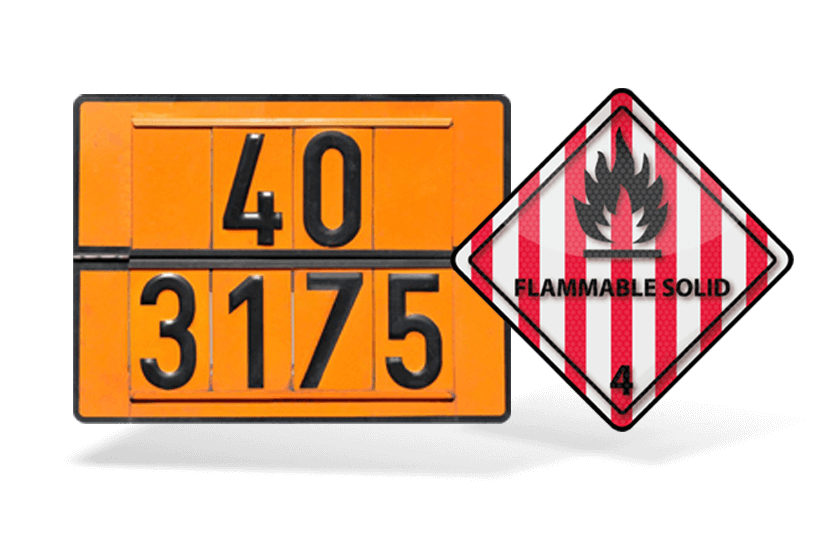

Carmen® ADR jest kluczowym narzędziem do zwiększania bezpieczeństwa w transporcie materiałów niebezpiecznych. To potężne oprogramowanie zapewnia niezrównaną dokładność w rozpoznawaniu kodów ADR i IMDG, zapewniając szybką identyfikację towarów niebezpiecznych. Dzięki łatwej integracji, Carmen® ADR pozwala usprawnić operacje i wspierać służby ratunkowe kluczowymi informacjami, co tworzy bezpieczniejsze środowisko dla wszystkich.
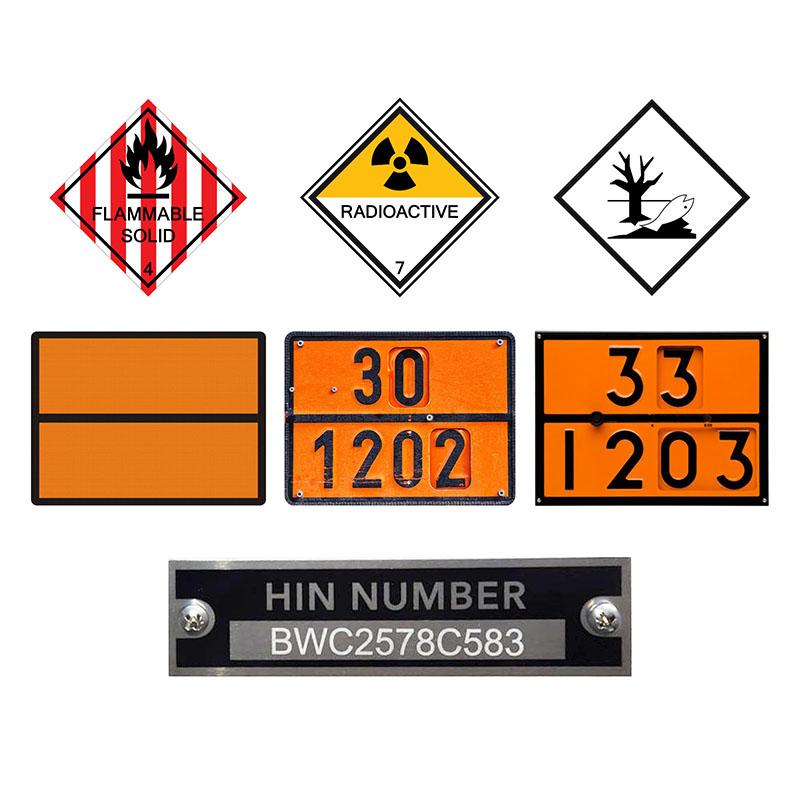
Carmen® ADR przekracza bariery geograficzne. Nasza biblioteka oferuje kompleksowe wsparcie dla szerokiego zakresu symboli towarów niebezpiecznych, w tym kodów ADR, E-ADR, HIN, KEMLER i IMO. Zapewnia to nieprzerwaną pracę bez względu na lokalizację, co czyni to rozwiązanie prawdziwie globalnym.
Integracja jest prosta dzięki przyjaznemu API, które pozwala na łatwe wdrożenie w istniejącą infrastrukturę, minimalizując przestoje i usprawniając proces rozpoznawania.
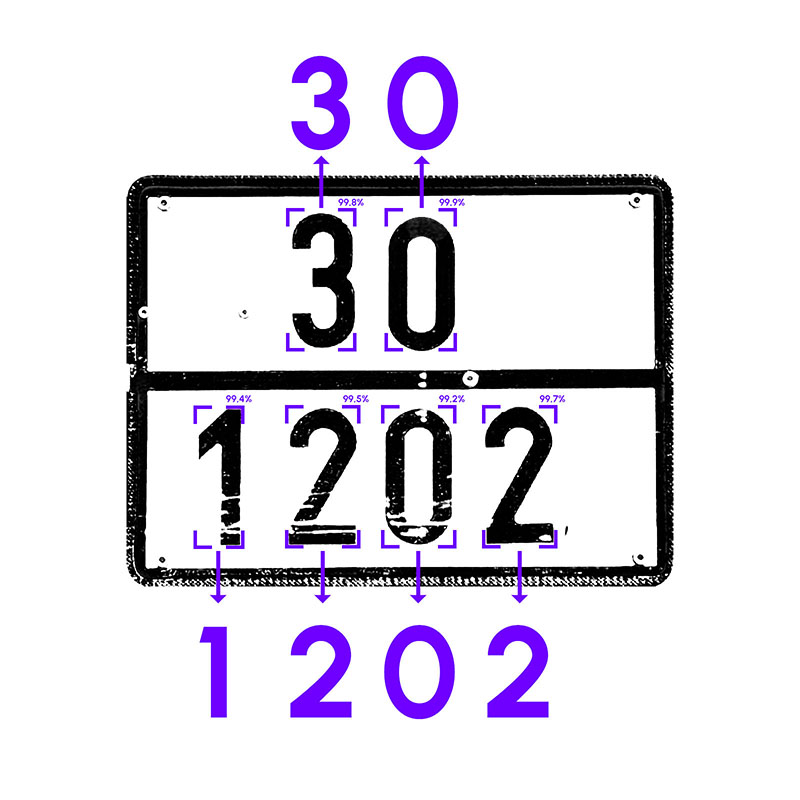
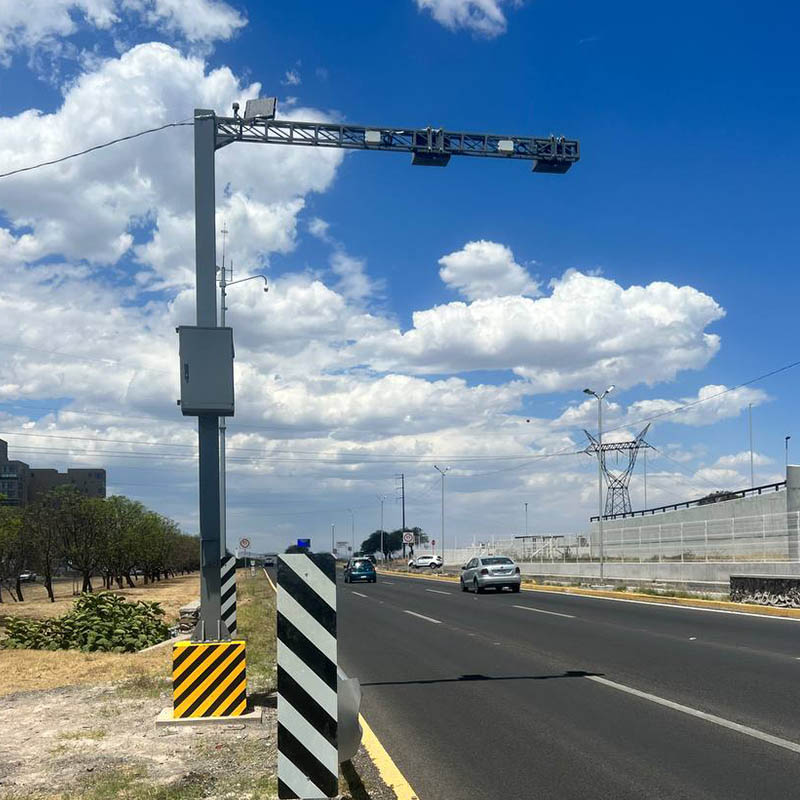
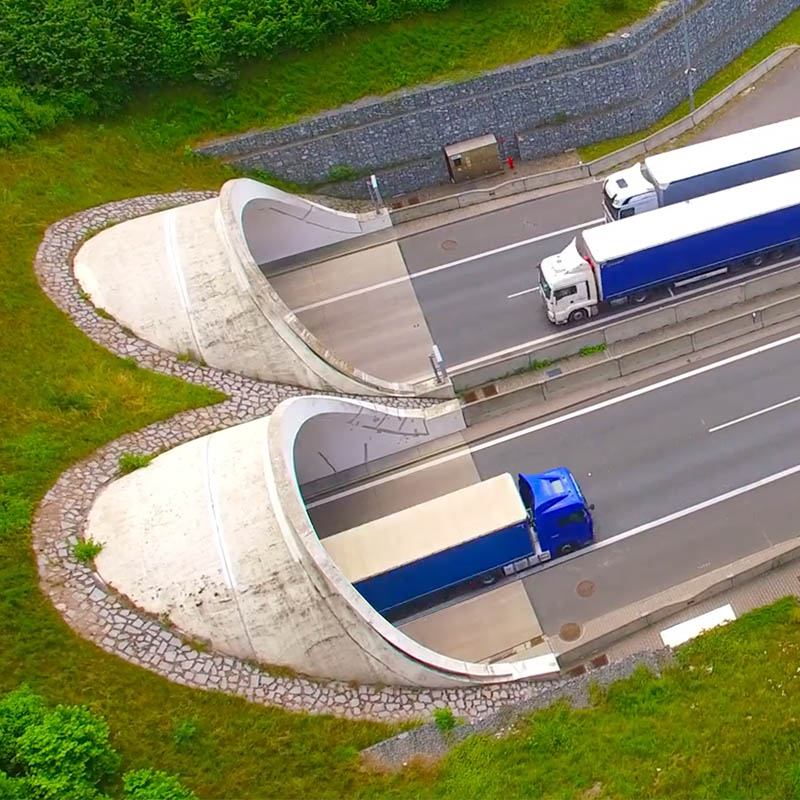
Carmen® ADR wykracza poza podstawowe rozpoznawanie kodów, identyfikując również puste kody reprezentujące wiele rodzajów towarów niebezpiecznych. Ta zaawansowana funkcja zwiększa bezpieczeństwo na drogach, mostach i w tunelach oraz we wszystkich obszarach transportu materiałów niebezpiecznych.
Oprogramowanie to współpracuje z różnymi systemami i umożliwia dostosowanie wyników, co czyni je łatwym w użyciu i integracji. Te funkcje pozwalają w pełni wykorzystać potencjał Carmen® ADR, maksymalizując dokładność, wydajność i ogólną wartość.

ADR, eADR, HIN, KEMLER i kody IMO (IMDG) uznawane.

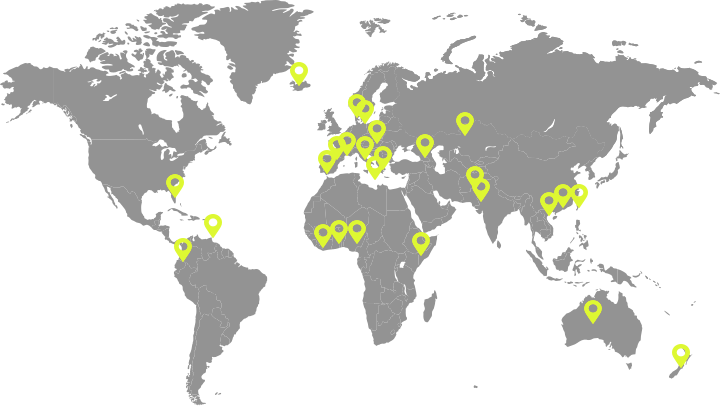
Używane w tysiącach systemów na całym świecie.

przez średnie, do dużych i złożonych systemów.

SDK wspiera przetwarzanie obrazów

systemów operacyjnych działa na Windows i Linux.

Cztery aktualizacje wydawane rocznie.
Carmen® ADR rozpoznaje szeroki zakres kodów towarów niebezpiecznych, w tym kody ADR, eADR, HIN, KEMLER i IMO (IMDG).
Minimalne wymagania systemowe dla Carmen® ADR to procesor 2 GHz, 1 GB RAM i 1 GB HDD. Obsługuje zarówno systemy operacyjne Windows (64-bit), jak i Linux (32/64-bit).
Carmen® ADR może przetwarzać nieruchome obrazy z plików lub pamięci w różnych formatach, takich jak BMP, PNG, JPEG i RAW. Wynik obejmuje rozpoznane dane ADR, poziomy pewności oraz lokalizację każdego kodu na obrazie.
Carmen® ADR oferuje przyjazne dla użytkownika API, wspierające języki programowania takie jak C/C++, C#, Visual Basic .NET i Java dla systemu Windows oraz C/C++ i Java dla systemu Linux. Ułatwia to integrację i czyni ją efektywną.
Carmen® ADR otrzymuje cztery aktualizacje rocznie, aby zapewnić, że pozostaje zgodne z nowymi standardami i technologiami, poprawiając swoją dokładność i wydajność.
Carmen® ADR zawiera biblioteki deweloperskie (.dll, .so), aplikację demonstracyjną, przykładowe kody dla każdego języka programowania oraz kontroler sieci neuronowej. Dostarczana jest również kompleksowa dokumentacja cyfrowa, aby ułatwić integrację.
Wyjątkowa dokładność i wszechstronność funkcjonalna Carmen® ADR czynią go cennym narzędziem do różnych zastosowań skoncentrowanych na bezpiecznej i efektywnej identyfikacji materiałów niebezpiecznych. Oto tylko kilka z najczęstszych zastosowań:
/** \file ********************************************************************* * * cmanpr01 – CMANPR sample program * * 2006-2021 (c) ARH Informatikai Zrt. Inc. (http://www.adaptiverecognition.com) ******************************************************************************/ /** * Show an ANPR process * * Purpose: * At the beginning, the application is checking if everything is all right with the gxsd.dat syntax, if not, the execution will stop and will notify the user about the problem. * Shows how to do an ANPR on an image and print out the result in text */ #include “gxsdldr.c” #include “gximage.h” #include “cmanpr.h” #include “gxproperty.h” //—————————————————————————— // If an error occurred it displays the error and terminates the program void term_if_err(int st) { int err_code; wchar_t err_str[256]; if(st) return; // No error occurred // Displays error code and description err_str[(sizeof(err_str)/sizeof(wchar_t))-1] = 0; gx_geterror(&err_code, err_str, (sizeof(err_str)/sizeof(wchar_t))-1); fprintf(stderr, “GX error (%x) occurred: %ls\n”, err_code, err_str); // Terminates the program exit(1); } //—————————————————————————— int main(void) { struct gxHANDLE anprhandle, imagehandle; struct gxIMAGE *image; struct cmNP *anprresult; struct gxHANDLE prophandle; char propstat[512] = “”; wchar_t engname[256]=L””; int st; int b_islic; /** Open the container reader */ st = gx_openmodulea(&prophandle, “gxproperty”, “default”); term_if_err(st); if (!gx_ispropertiesvalid(prophandle, propstat, 512)) { printf(“The gxsd.dat file is invalid.\n%s\n”, propstat); exit(1); } printf(“The syntax of the gxsd.dat file is fine!\n\n”); // Opens the ANPR module with default properties st = gx_openmodule(&anprhandle, L”cmanpr”, L”default”); term_if_err(st); // Opens the image module and allocates the image structure st = gx_openmodule(&imagehandle, L”gximage”, L”default”); term_if_err(st); st = gx_allocimage(imagehandle, &image); term_if_err(st); // Gets the name of the default engine st = gx_getmoduleproperty(anprhandle,L”anprname”,engname,256); term_if_err(st); printf(“Engine: ‘%ls’\n\n”, engname); // Checks the licenses for the default engine b_islic = 0; st = cm_findlicenses4engine(anprhandle,0,0,&b_islic,0,0); term_if_err(st); if (!b_islic) { printf(“Cannot find licenses for the current engine!!!\n”); exit(1); } // Loads the sample image st = gx_loadimage(imagehandle, image, L”../../../data/plate.jpg”, GX_UNDEF); term_if_err(st); // Finds the first license plate anprresult = 0; st = cm_findfirst(anprhandle, image, &anprresult); term_if_err(st); if(anprresult) { char cc[256]=””; // Get short country code st = cm_getcountrycode(anprhandle,anprresult->type,(int)CCT_COUNTRY_SHORT,cc,sizeof(cc)); term_if_err(st); //Displays the result, Country code and type printf(“Plate text: ‘%s’; Country code: ‘%s’ (%i)\n”, anprresult->text, cc[0]?cc:”No plate type”, anprresult->type); // Frees up the result st = gx_globalfree(anprresult); term_if_err(st); } else { // No plate printf(“No license plate found\n”); } // Frees up the resources st = gx_unrefimage(imagehandle, image); term_if_err(st); st = gx_unrefhandle(&imagehandle); term_if_err(st); st = gx_unrefhandle(&anprhandle); term_if_err(st); return 0; } //——————————————————————————
/** \file ********************************************************************* * * cmanpr01 – CMANPR sample program * * 2006-2021 (c) ARH Informatikai Zrt. Inc. (http://www.adaptiverecognition.com) ******************************************************************************/ /** * Show an ANPR process * * Purpose: * At the beginning, the application is checking if everything is all right with the gxsd.dat syntax, if not, the execution will stop and will notify the user about the problem. * Shows how to do an ANPR on an image and print out the result in text */ #include “gxsdldr.cpp” #include “gximage.h” #include “cmanpr.h” #include “gxproperty.h” //—————————————————————————— using namespace std; using namespace gx; using namespace cm; //—————————————————————————— int main(void) { try { gxProperty gxProperty; gxProperty.IsPropertiesValid(); cout << “The syntax of the gxsd.dat file is fine!\n” << endl; // Creates the ANPR object cmAnpr anpr(“default”); // Creates the image object gxImage image(“default”); // Gets the name of the default engine wcout << L”Engine: ‘” << anpr.GetProperty(L”anprname”) << L”‘\n\n”; // Checks the licenses for the default engine if (!anpr.CheckLicenses4Engine(L””,0)) { wcout << L”Cannot find licenses for the current engine!!!\n”; return 1; } // Loads the sample image image.Load(“../../../data/plate.jpg”); // Finds the first license plate if(anpr.FindFirst(image)) { // Get short country code gxOutStr cc = anpr.GetCountryCode(anpr.GetType(),(int)CCT_COUNTRY_SHORT); //Displays the result, Country code and type wcout << L”Plate text: ‘” << anpr.GetText() << L”‘; Country code: ‘” << (cc.length()>0?cc: L”No plate type”) << L”‘ (” << anpr.GetType() << L”)\n”; } else { wcout << L”No license plate found\n”; } } catch(gxError &e) { // Displays error code and description wcerr << L”GX error (” << e.GetErrorCode() << “) occurred: ” << e.GetErrorString() << L”\n”; // Terminates the program return 1; } return 0; } //——————————————————————————
/** \file ********************************************************************* * * cmanpr01 – CMANPR sample program * * 2006-2021 (c) ARH Informatikai Zrt. Inc. (http://www.adaptiverecognition.com) ******************************************************************************/ /** * Show an ANPR process * * Purpose: * At the beginning, the application is checking if everything is all right with the gxsd.dat syntax, if not, the execution will stop and will notify the user about the problem. * Shows how to do an ANPR on an image and print out the result in text */ using System; using gx; using cm; namespace cmanpr01 { class MainClass { public static void Main(string[] args) { try { gxProperty gxProperty = new gxProperty(); gxProperty.IsPropertiesValid(); Console.WriteLine(“The syntax of the gxsd.dat file is fine!\n”); // Creates the ANPR object cmAnpr anpr = new cmAnpr(“eur”); // Creates the image object gxImage image = new gxImage(“default”); // Gets the name of the default engine Console.WriteLine(“Engine: ‘{0}'”, anpr.GetProperty(“anprname”)); Console.WriteLine(); // Checks the licenses for the default engine if (!anpr.CheckLicenses4Engine(“”, 0)) { Console.WriteLine(“Cannot find licenses for the current engine!!!”); return; } //Console.ReadKey(); // Loads the sample image image.Load(“../../../../../../data/plate.jpg”); // Finds the first license plate if (anpr.FindFirst(image)) { // Get short country code String cc = anpr.GetCountryCode(anpr.GetType(), (int)CC_TYPE.CCT_COUNTRY_SHORT); //Displays the result, Country code and type Console.WriteLine(“Plate text: ‘{0}’; Country code: ‘{1}’ ({2})”, anpr.GetText(), cc.Length > 0 ? cc : “No plate type”, anpr.GetType()); } else { Console.WriteLine(“No license plate found”); } Console.ReadKey(); } catch(gxException) { Console.Error.WriteLine(“GX error (” + gxSystem.GetErrorCode() + “) occured: ” + gxSystem.GetErrorString()); Console.ReadKey(); } } } }
/** \file ********************************************************************* * * cmanpr01 – CMANPR sample program * * 2006-2021 (c) ARH Informatikai Zrt. Inc. (http://www.adaptiverecognition.com) ******************************************************************************/ /** * Show an ANPR process * * Purpose: * At the beginning, the application is checking if everything is all right with the gxsd.dat syntax, if not, the execution will stop and will notify the user about the problem. * Shows how to do an ANPR on an image and print out the result in text */ import com.adaptiverecognition.gx.*; import com.adaptiverecognition.cm.*; public class cmanpr01 { static { try { System.loadLibrary(“jgx”); System.loadLibrary(“jcmanpr”); } catch(UnsatisfiedLinkError e) { System.err.println(“Native code library failed to load.” + e); System.exit(1); } } public static void main(String argv[]) { try { gxProperty gxProperty = new gxProperty(); gxProperty.IsPropertiesValid(); System.out.println(“The syntax of the gxsd.dat file is fine!\n”); // Creates the ANPR object cmAnpr anpr = new cmAnpr(“default”); // Creates the image object gxImage image = new gxImage(“default”); //Gets the name of the default engine System.out.println(“Engine: ‘” + anpr.GetProperty(“anprname”) + “‘”); System.out.println(); // Checks the licenses for the default engine if (!anpr.CheckLicenses4Engine(“”,0)) { System.out.println(“Cannot find licenses for the current engine!!!\n”); System.exit(1); } // Loads the sample image image.Load(“../../data/plate.jpg”); // Finds the first license plate if(anpr.FindFirst(image)) { // Get short country code String cc = anpr.GetCountryCode(anpr.GetType(),jcmanprConstants.CCT_COUNTRY_SHORT); //Displays the result, Country code and type System.out.println(“Plate text: ‘”+anpr.GetText()+”‘; Country code: ‘” + (cc.length()>0?cc: “No plate type”) + “‘ (” + anpr.GetType() + “)”); } else { System.out.println(“No license plate found”); } // Frees up resources anpr.delete(); image.delete(); } catch(RuntimeException e) { System.err.println(“GX error (” + String.format(“0x%08x”,gxSystem.GetErrorCode()) + “) occured: ” + gxSystem.GetErrorString()); System.exit(1); } } }
‘/** \file ********************************************************************* ‘ * ‘ * cmanpr01 – CMANPR sample program ‘ * ‘ * 2006-2021 (c) ARH Informatikai Zrt. Inc. (http://www.adaptiverecognition.com) ‘ ******************************************************************************/ ‘ ‘/** ‘ * Show an ANPR process ‘ * ‘ * Purpose: ‘ * At the beginning, the application is checking if everything is all right with the gxsd.dat syntax, if not, the execution will stop and will notify the user about the problem. ‘ * Shows how to do an ANPR on an image and print out the result in text ‘ */ Imports System Imports gx Imports cm Module Main Sub Main() Try Dim gxProperty As gxProperty = New gxProperty gxProperty.IsPropertiesValid() Console.WriteLine(“The syntax of the gxsd.dat file is fine!”) Console.WriteLine() ‘ Creates the ANPR object Dim anpr As cmAnpr = New cmAnpr(“default”) ‘ Creates the image object Dim image As gxImage = New gxImage(“default”) ‘ Gets the name of the default engine Console.WriteLine(“Engine: ‘{0}'”, anpr.GetProperty(“anprname”)) Console.WriteLine() ‘ Checks the licenses for the default engine If Not anpr.CheckLicenses4Engine(“”, 0) Then Console.WriteLine(“Cannot find licenses for the current engine!!!”) Exit Sub End If ‘ Loads the sample image image.Load(“../../../../../../data/plate.jpg”) ‘ Finds the first license plate If anpr.FindFirst(image) Then ‘ Get short country code Dim cc As String cc = anpr.GetCountryCode(anpr.GetType(), CC_TYPE.CCT_COUNTRY_SHORT) If cc.Length = 0 Then cc = “No plate type” ‘ Displays the result, Country code and type Console.WriteLine(“Plate text: ‘{0}’; Country code: ‘{1}’ ({2})”, anpr.GetText(), cc, anpr.GetType()) Else Console.WriteLine(“No license plate found”) End If Console.ReadKey() Catch ex As gxException Console.Error.WriteLine(“GX error (” + gxSystem.GetErrorCode().ToString() + “) occured: ” + gxSystem.GetErrorString()) Console.ReadKey() End Try End Sub End Module
1 - 5
2 - 10
4 - 20
3 - 7
6 - 14
12 - 28
5 - 10
10 - 20
20 - 40
Nasi eksperci ds. sprzedaży i produktów są tutaj, aby Ci pomóc. Skontaktuj się z nami lub znajdź partnera w swojej okolicy.

Dla tych, którzy dążą do przełomów. Odkryj produkty, które przesuwają granice tego, co można osiągnąć.
Każda branża ma swoje unikalne wyzwania. Zobacz, jak Adaptive Recognition może stać się Twoim partnerem w ich pokonywaniu i wspólnym rozwoju.
Nie wierz tylko na słowo – zobacz dowody. Poznaj nasze projekty referencyjne i studia przypadków, które pokazują, jak Adaptive Recognition dostarcza wyjątkowe rezultaty.