
Show more

Read more

View product

View report

Drag

Structured Vehicle Identification
for Modern Pay Parking Systems

Powering on-street regulation, off-street automation, and real-time parking guidance — engineered for consistency across every parking environment.

Parking Deployment Models

System integrators deploy Adaptive Recognition subsystems across on-street
enforcement, off-street parking facilities, and smart parking guidance environments.

These subsystems are typically deployed as infrastructure investments (CAPEX)
combined with recurring software and service revenues.

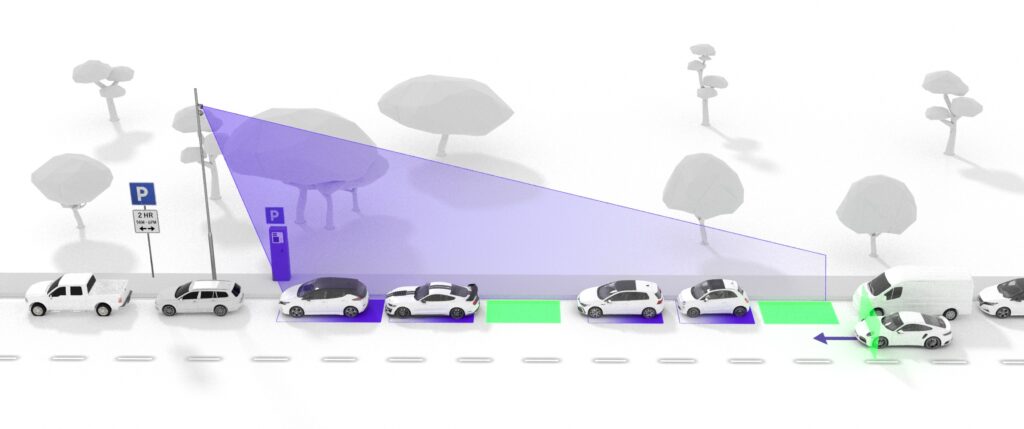
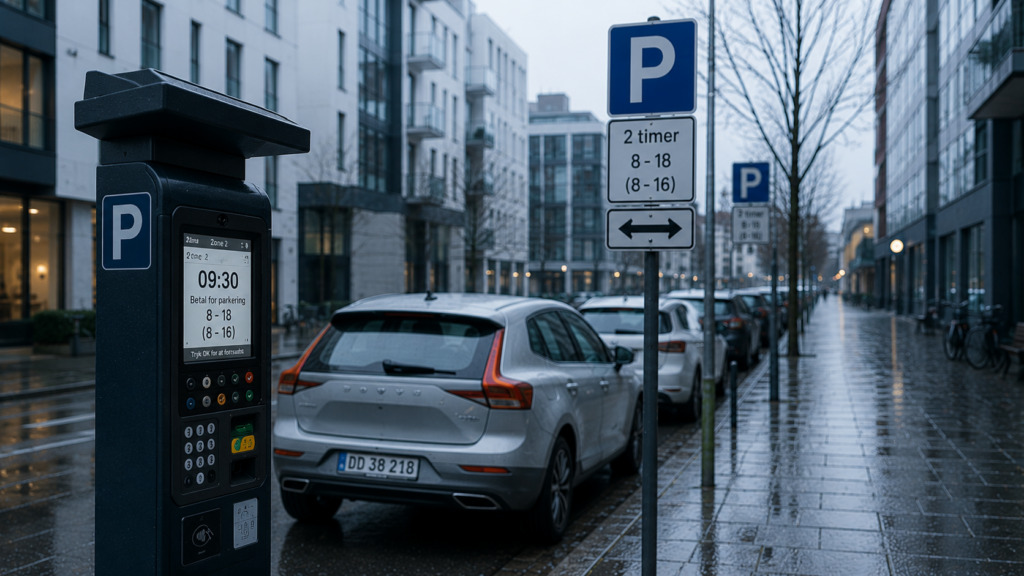
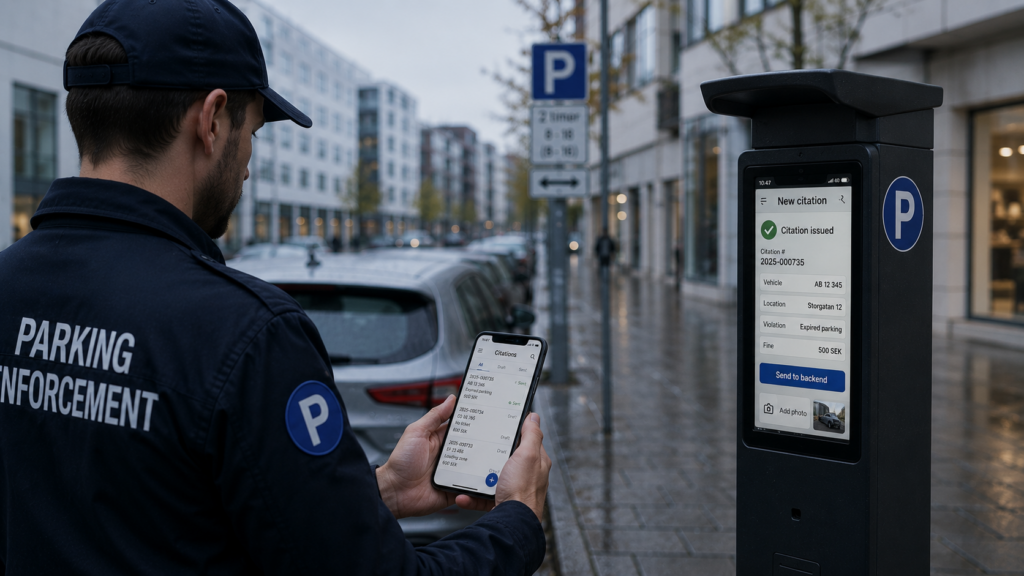
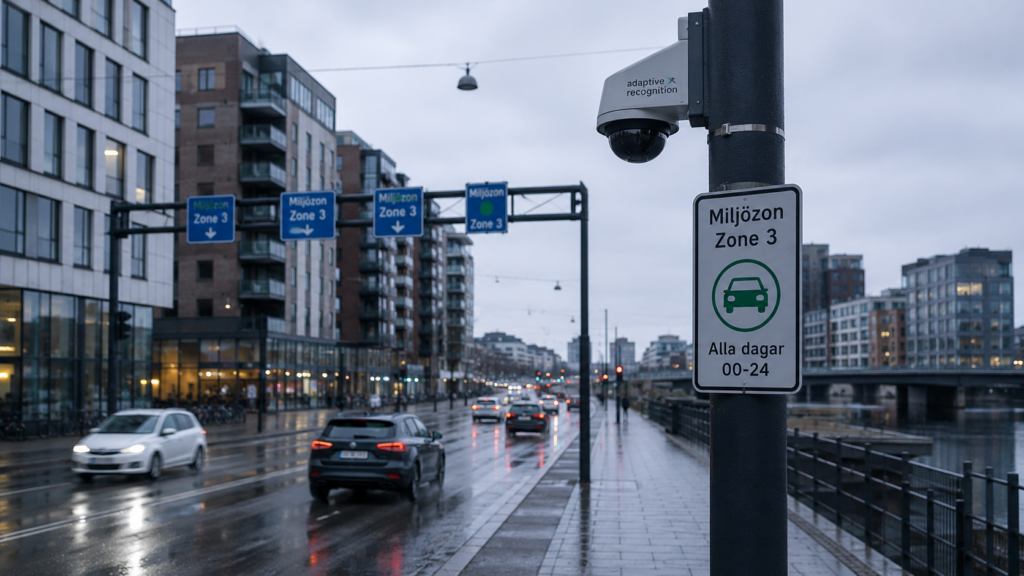
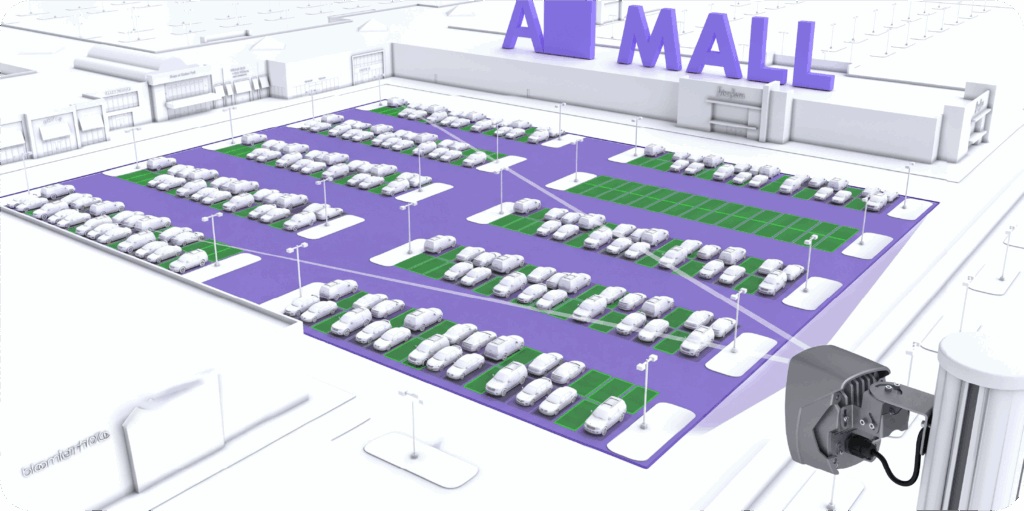
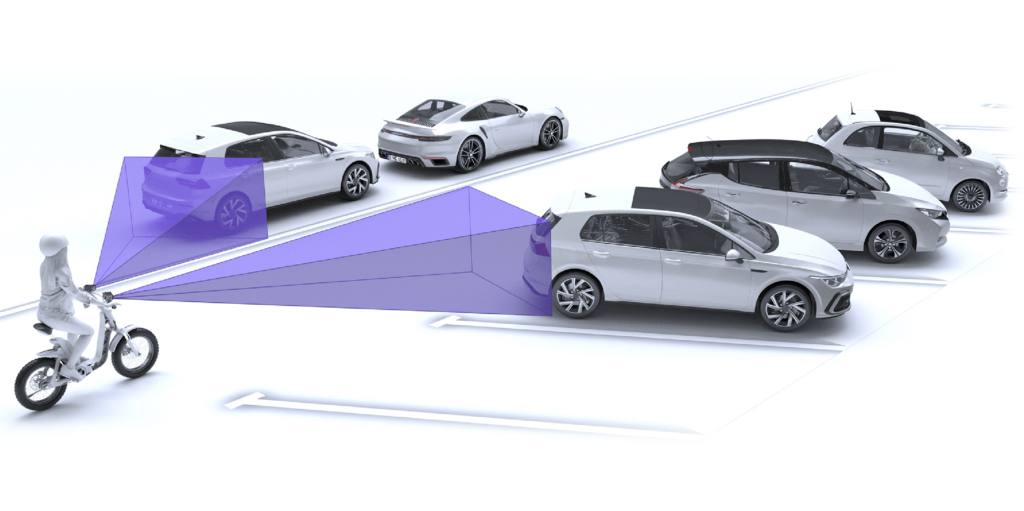
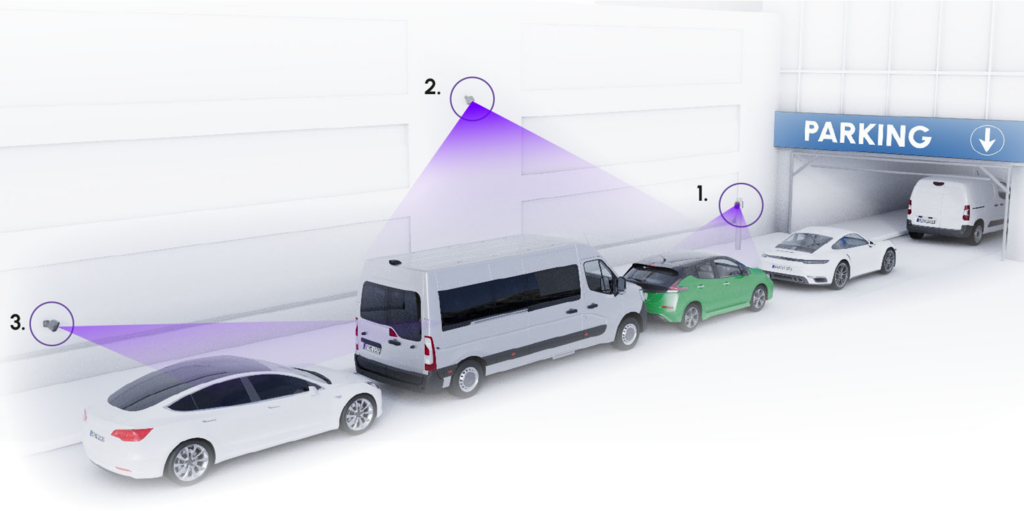
On-Street Parking

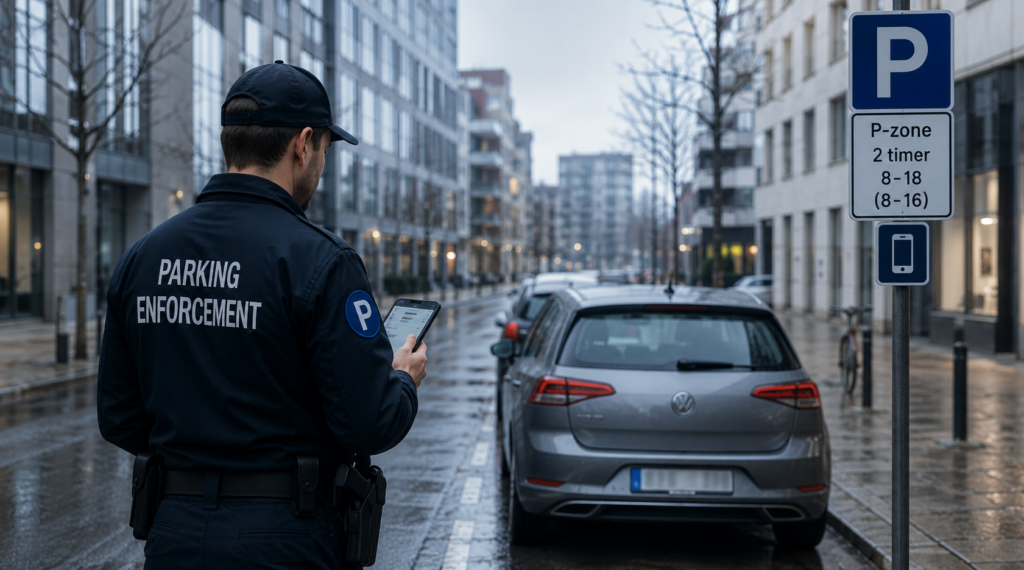
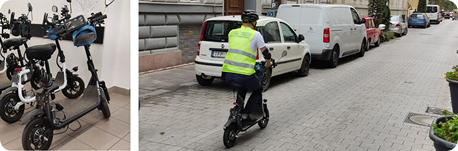
Cities need to monitor thousands of curbside parking spaces while enforcing permits and time limits. Adaptive Recognition helps system integrators build enforcement systems that cover larger areas and deliver fast, reliable digital citation workflows.

On-Street Parking

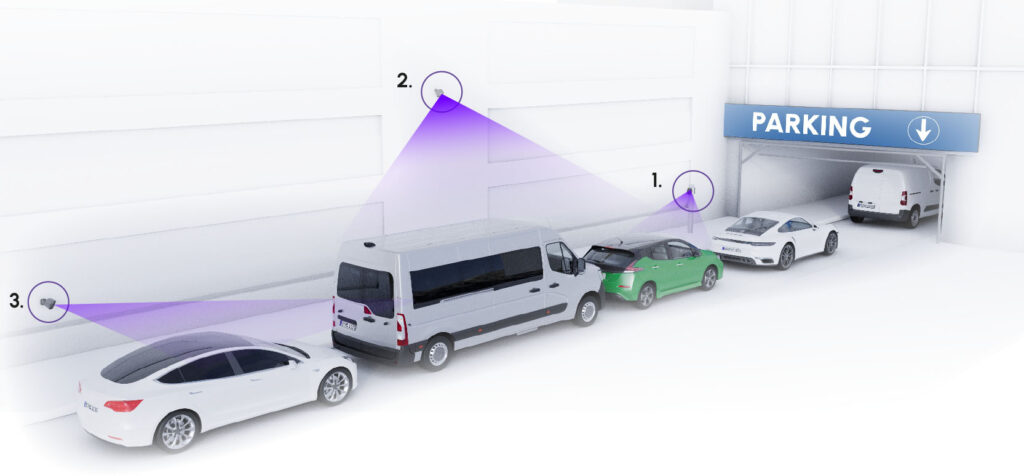
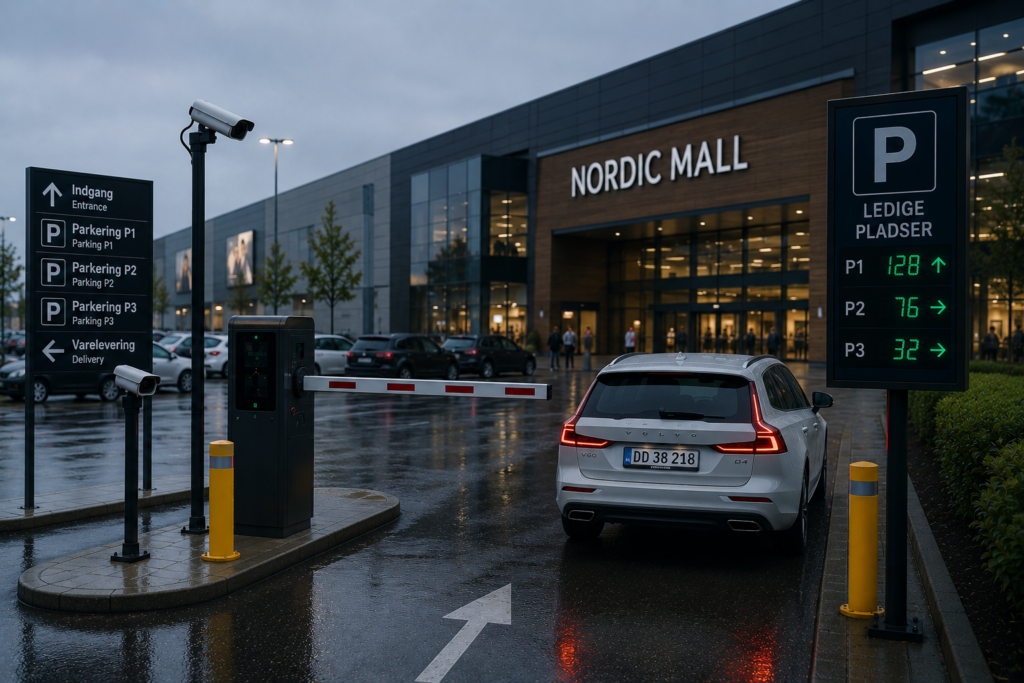
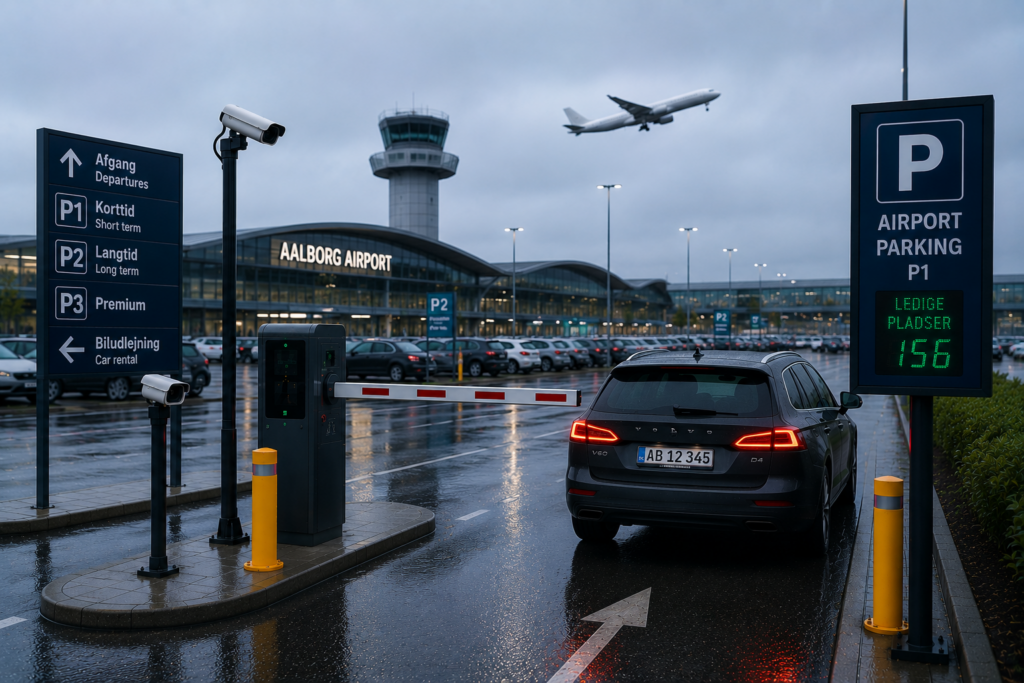
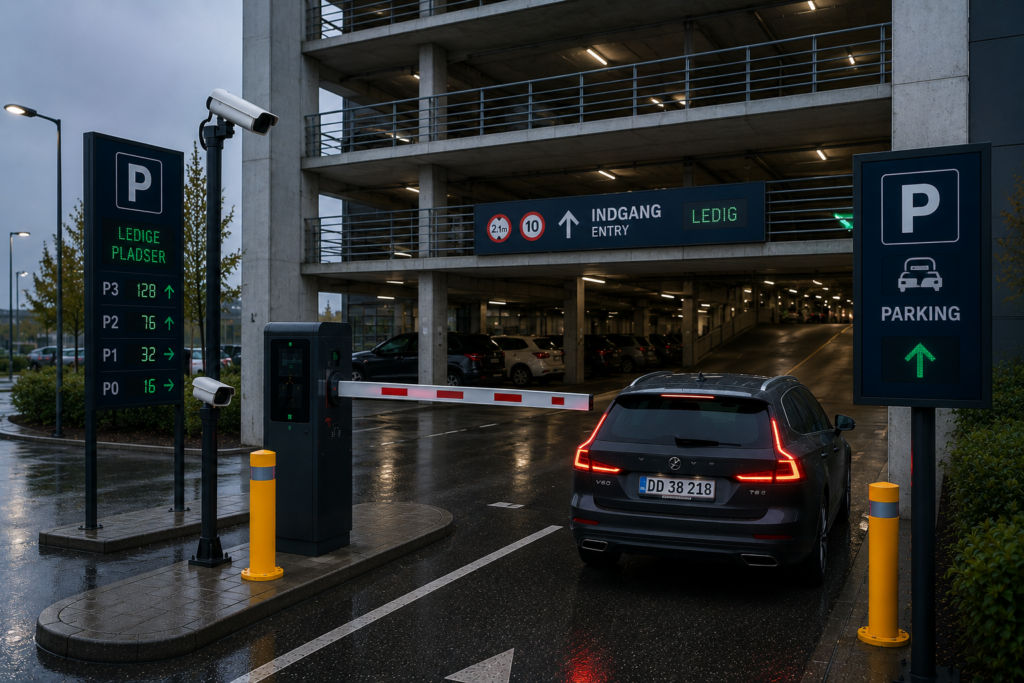
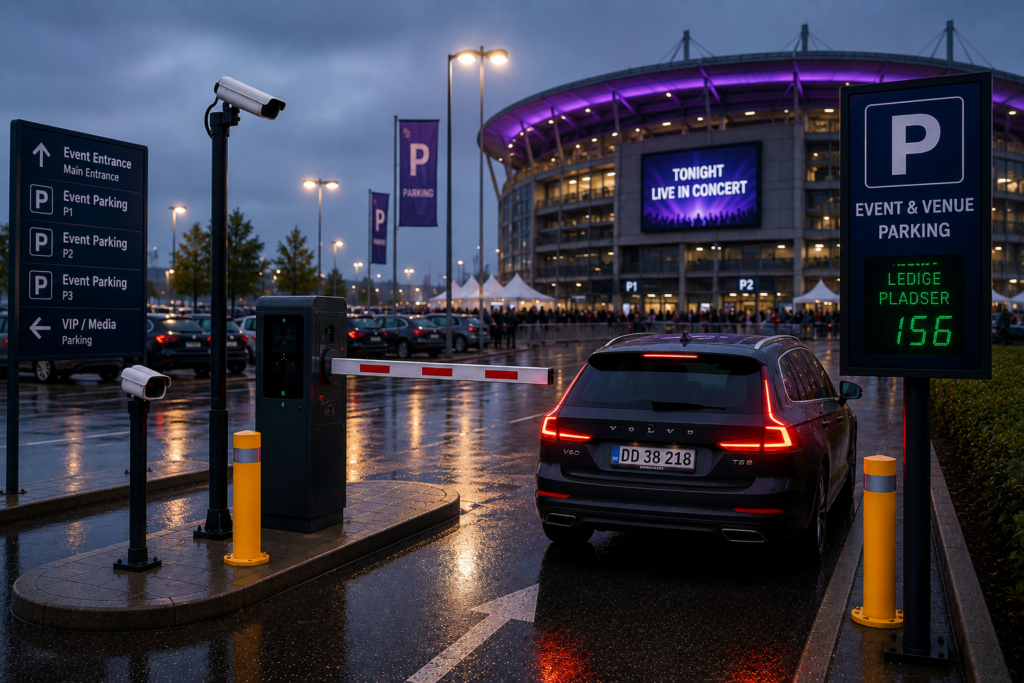
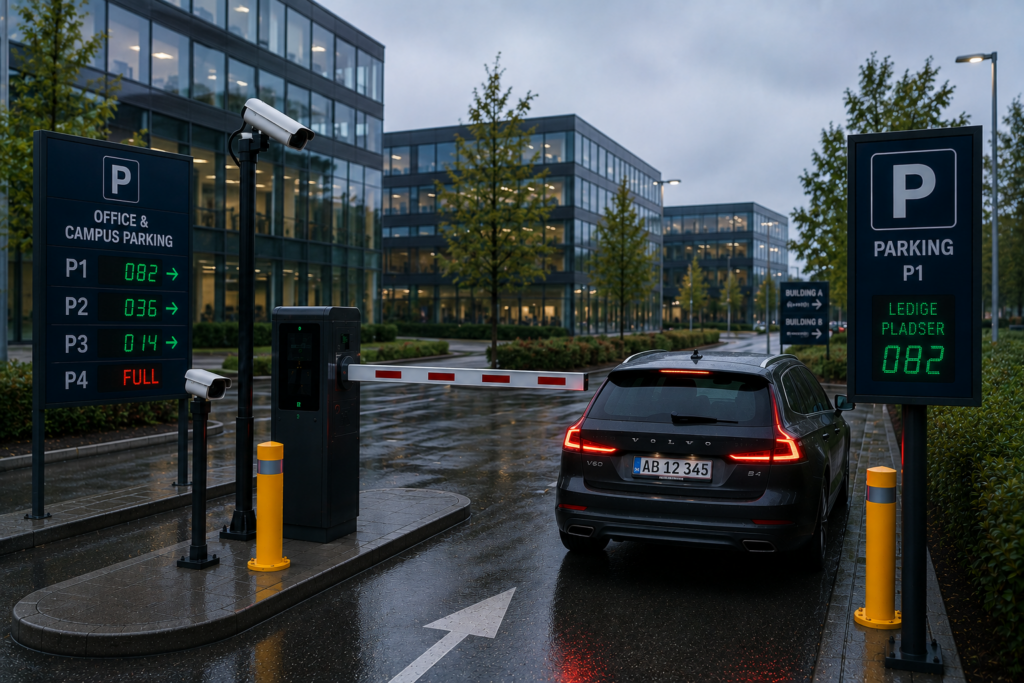
Off-Street Parking

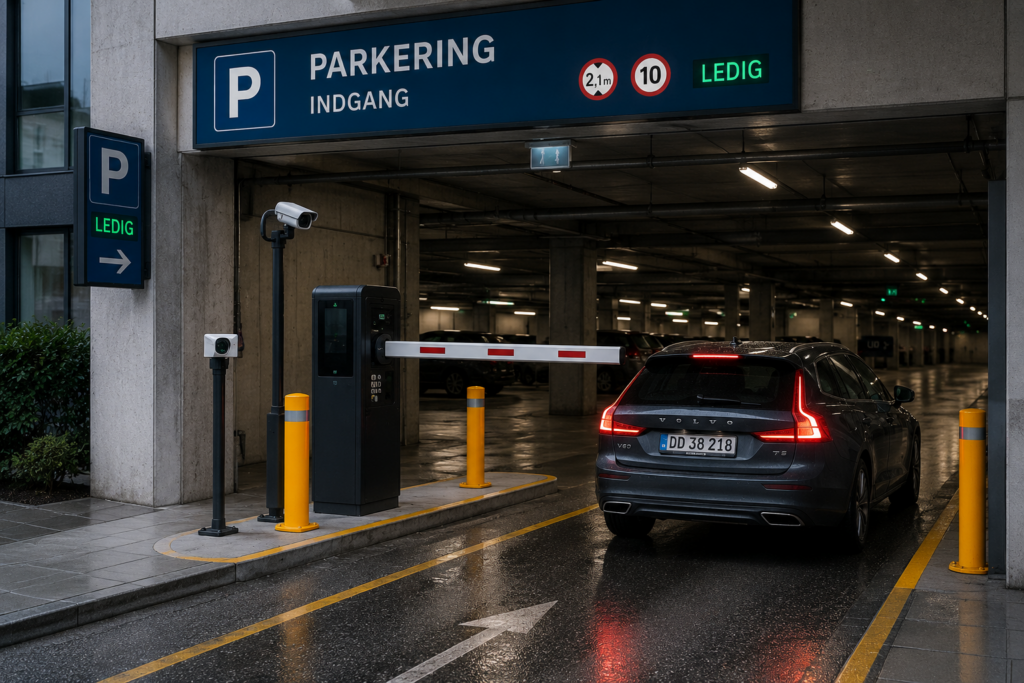
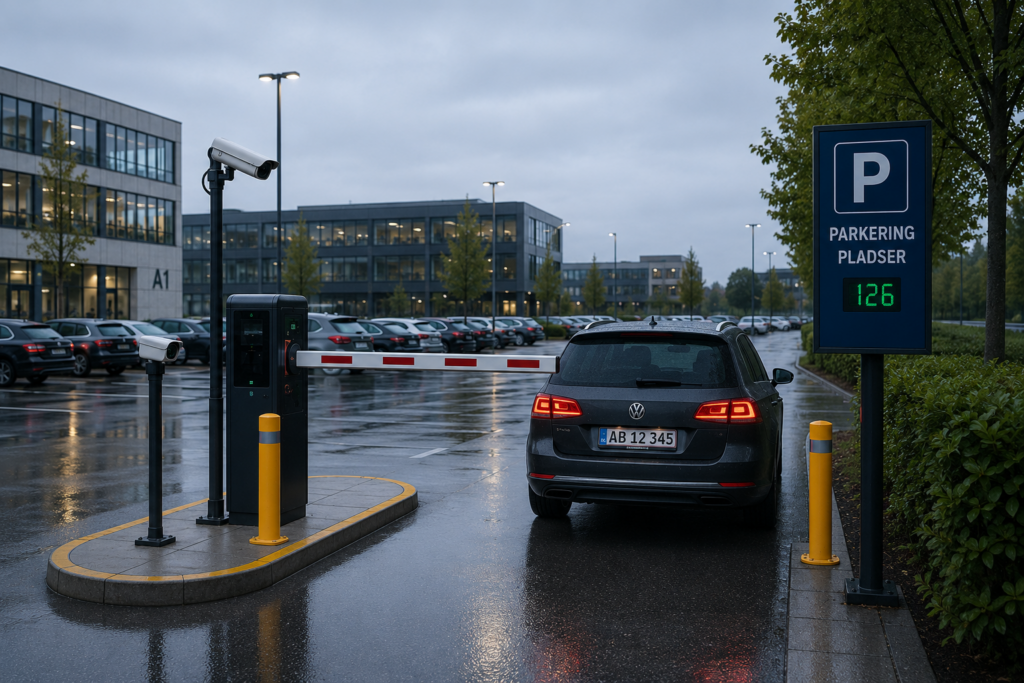
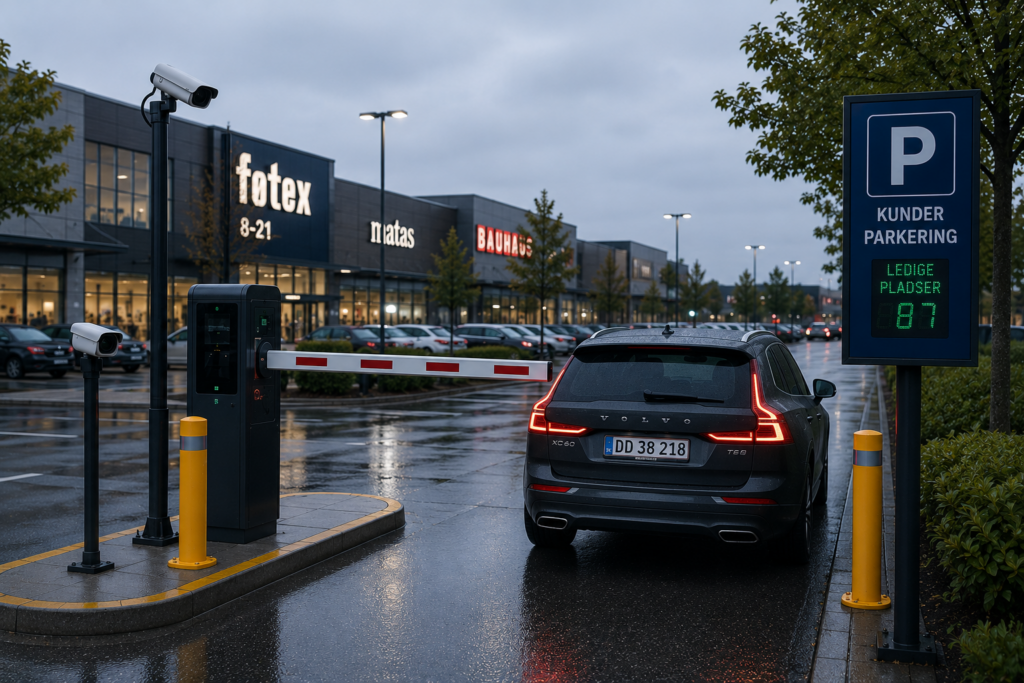
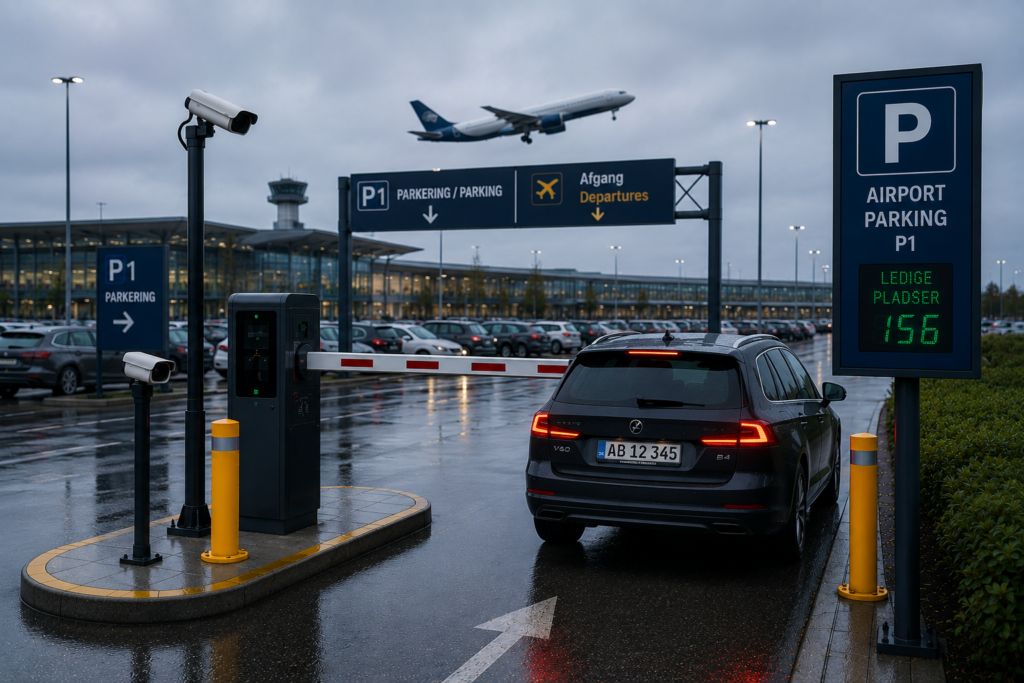
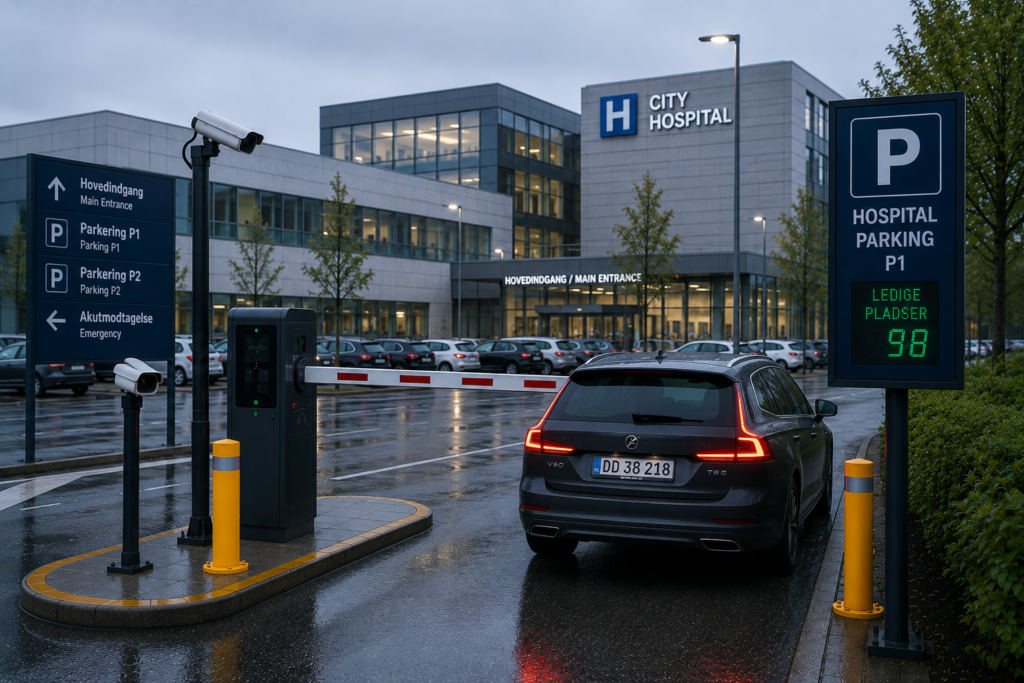
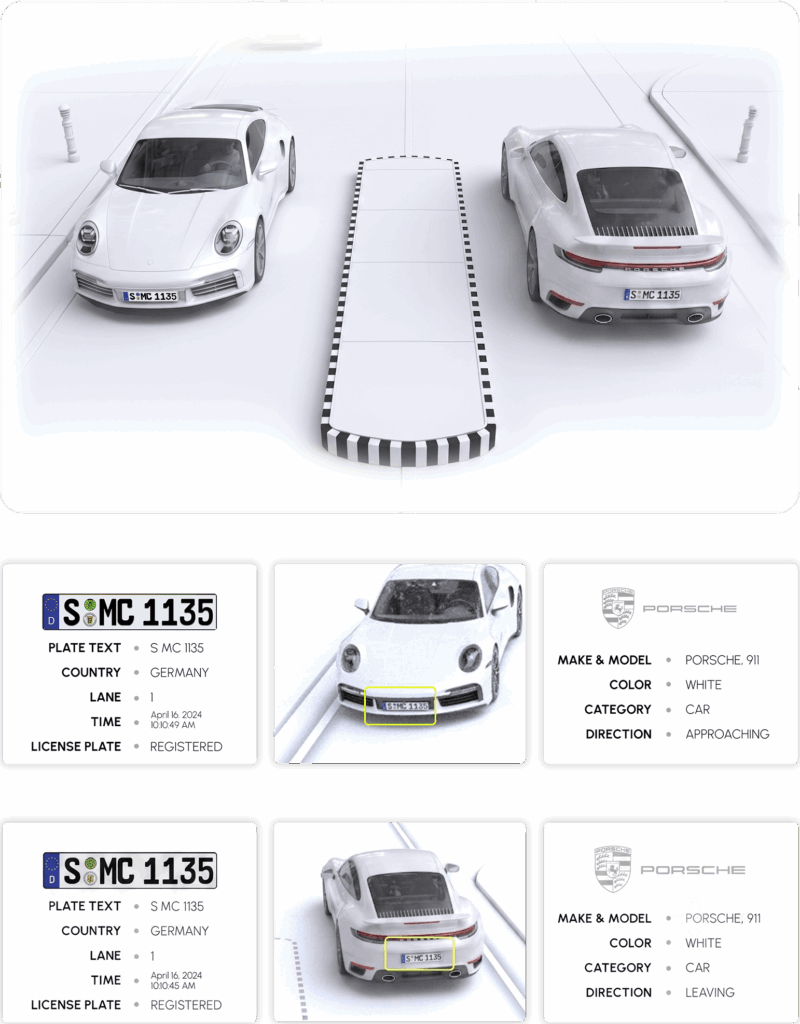
Parking garages, retail facilities, and airports rely on controlled entry and exit lanes to manage vehicle access. Adaptive Recognition provides system integrators with a lane-level identification subsystem for reliable parking access control.

Off-Street Parking

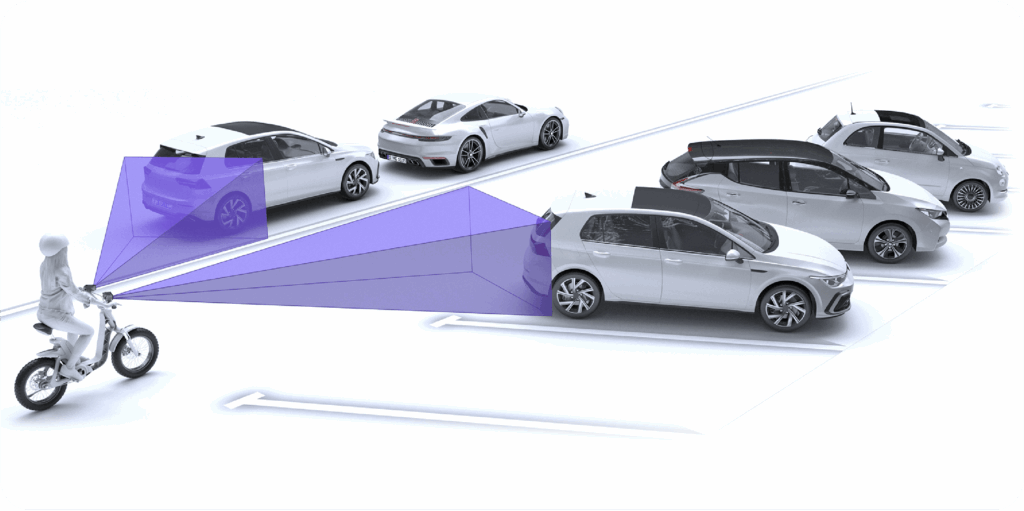
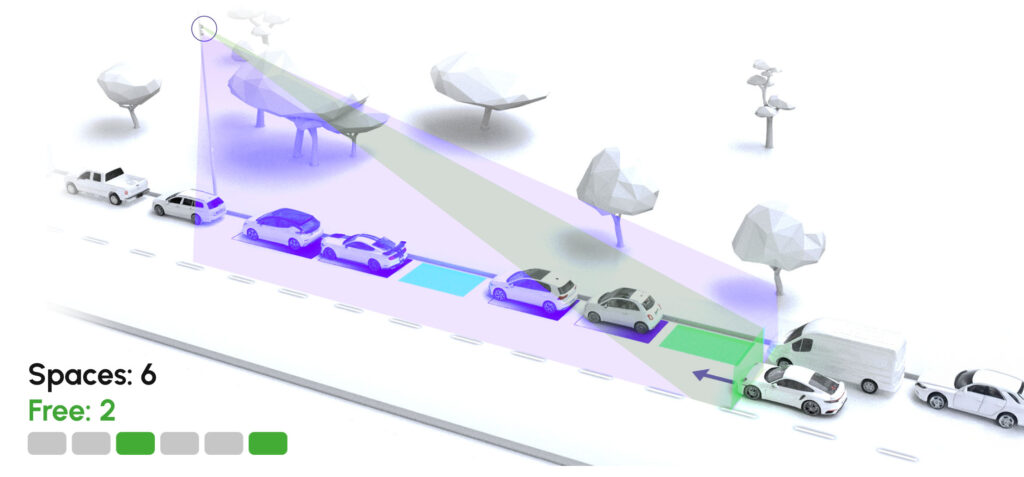
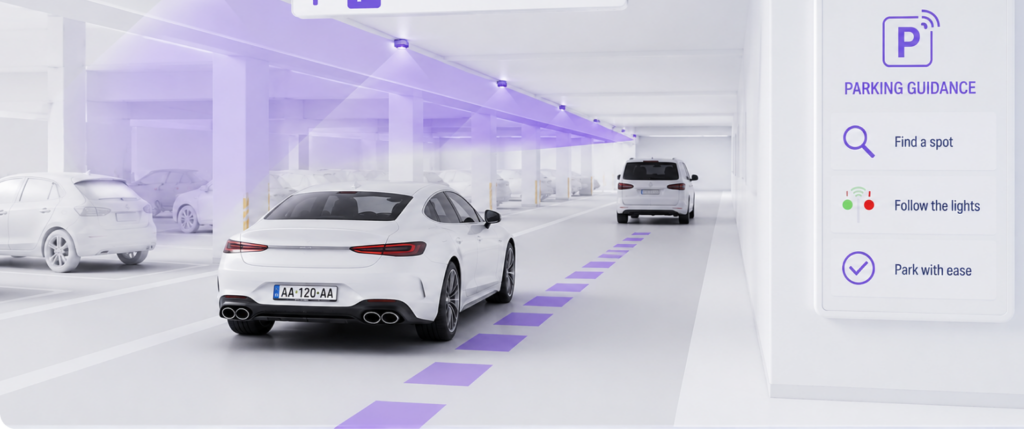
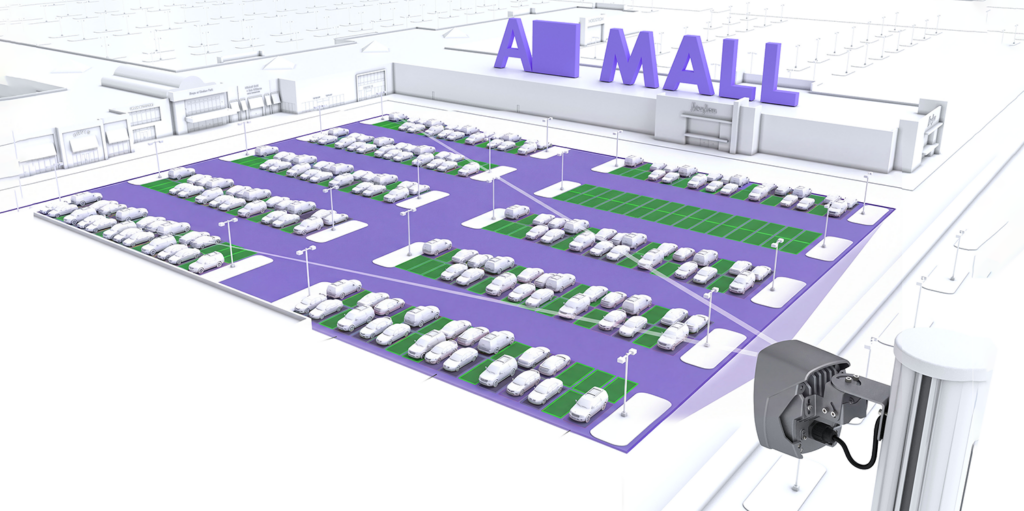
Parking Guidance

Large parking areas rely on accurate occupancy data to guide drivers to available spaces and reduce congestion. Adaptive Recognition supports system integrators with vehicle identification and monitoring subsystems that enable reliable parking guidance systems.

Parking Guidance

Structured Vehicle Events,
Ready for Your System

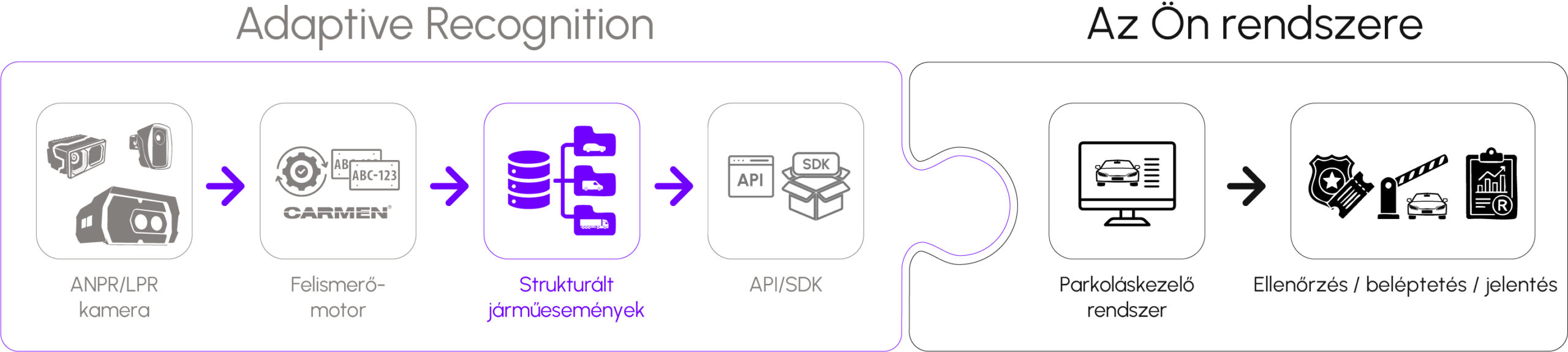
Each capture becomes a validated vehicle event, structured for direct integration into parking management, enforcement, and billing workflows.

Validated at Source

Event records are generated after recognition logic, attribute enrichment, and confidence validation, not from raw image reads.

Correlated Across Capture Points

Entry and exit records remain linkable across distributed
cameras, lanes, and deployment models.

Delivered in Standardized Format

Events are transmitted via stable API endpoints in structured, documented formats aligned with PMS logic.

Planning an Identity Verification Deployment?

Why Identification Consistency
Determines System Performance

Across on-street, off-street, and guidance deployments, parking platforms depend on one constant:
 consistent vehicle identification events that parking logic, billing, and enforcement can trust.

Front & Rear Correlation
Parking systems must link vehicle captures across entry and exit points.
Consistent correlation ensures one vehicle remains one unified system event.
Multi-Camera Reconciliation
Large parking environments rely on multiple cameras and capture points.
Reconciliation ensures distributed reads resolve into a single, reliable identification event.
Environmental Stability
Lighting changes, weather, and vehicle variation affect real-world deployments. Stable identification ensures event quality remains consistent across environments.
Enforcement-Grade Defensibility
Parking systems often operate in regulated environments where decisions must be verifiable.
Structured events provide reliable records for dispute handling and audit review.
Designed for Clean Integration
into Existing Parking Systems
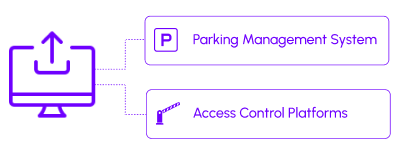
The recognition layer delivers structured vehicle identification events into your existing
parking platform — while maintaining a clearly defined architectural boundary around
billing, enforcement, and access control logic.

System integrators and operators retain full control of commercial workflows, while
recognition remains purpose-built and contained within its defined scope.
What Experienced Teams
Evaluate Before Deployment

Experienced parking operators and system integrators evaluate deployments across
architectural clarity, operational stability, and long-term governance requirements.

Protecting Revenue Integrity

Consistent vehicle identification helps parking systems bill the right vehicle, every time. Reliable events improve revenue accuracy without changing billing or enforcement logic.

Controlled System Boundaries

Recognition remains a separate subsystem.
This keeps billing, enforcement, and parking logic clean and easier to maintain.

Reduced Operational Risk Over Time

Stable hardware and software lifecycles reduce long-term integration risk.
Predictable updates prevent unexpected changes across deployed parking environments.

Scalable Without Re-Architecture

Support for global plate diversity enables expansion into new regions without redesigning the system. One integration
can scale across markets and evolving regulatory requirements.

Clean Integration Interfaces

Structured vehicle events are delivered through stable, well-documented APIs and SDKs. Integrators can connect recognition systems without adding complex middleware.

Predictable Event Schema


Vehicle attributes such as make, model, and color are delivered in consistent formats.
Parking platforms can process events reliably within existing system logic.

Flexible Deployment Models

Recognition works in both on-premise and cloud-connected environments. Integrators can deploy the system without restructuring existing parking infrastructure.

Plate Diversity Handling

Recognition processes varied plate formats, layouts, and regional syntax. This reduces custom configuration when systems expand to new jurisdictions.

Reduced Exception Handling

Reliable vehicle identification reduces the number of events requiring manual review.
This lowers operational workload across enforcement and billing workflows.

Stable Capture-to-Output Flow

Capture and recognition operate consistently across real-world parking conditions. Events remain reliable despite lighting changes, traffic density, or weather.

Controlled Update Process

Firmware and software updates are managed to avoid operational disruption.
System changes remain predictable and aligned with existing workflows.

Clear Identification Records

Structured vehicle events support efficient review and dispute handling. Records remain consistent, traceable, and defensible during operational checks.

Deployment Provenance

Recognition components are deployed in regulated parking and mobility environments worldwide. This provides confidence for mission-critical deployments.

Reduced Audit Ambiguity

Structured vehicle events support defensible audit trails. Clear separation between recognition and commercial logic strengthens reporting transparency.

Vendor Continuity

Long-term product availability and lifecycle planning reduce procurement risk.
Hardware and software continuity support stable multi-year deployments.

Cross-Region Consistency

Unified recognition logic operates across diverse plate standards and regional formats. This prevents fragmented system architectures across markets.

Deployed Across Regulated
& Commercial Parking Environments

Structured vehicle identification supporting municipal regulation,
commercial access control, and high-volume ticketless environments.

vanguard with Einar vehicle access control system featured image

A parkoláskezelés egyszerűsítése Észak-Amerikában  

A Vanguard Parking javította működését az EINAR járműbeléptető vezérlőkamerával, növelve a hatékonyságot és az ügyfél-elégedettséget.
Access control camera enhances parking system at Leos Janacek airport in Ostrava, Czechia

Példamutató parkolási rendszer ennél a cseh repülőtéren

Új intelligens parkolási rendszert telepítettek a Leos Janacek Nemzetközi Repülőtéren, amely automatikus sorompókat, fizetőterminálokat és rendszámfelismerést foglal magában.
Adaptive Recognition horizontal logo 2024
Referenciáink

Ismerje meg referencia-projektjeinket és esettanulmányainkat, és nézze meg, hogyan teljesítenek megoldásaink valós környezetben.

Erőforrásaink

Hasznos anyagok, útmutatók és tartalmak termékeink és megoldásaink jobb megismeréséhez.

Támogatás

Esettanulmányok
Follow Adaptive Recognition