Show more
Read more
View product
View report
Drag

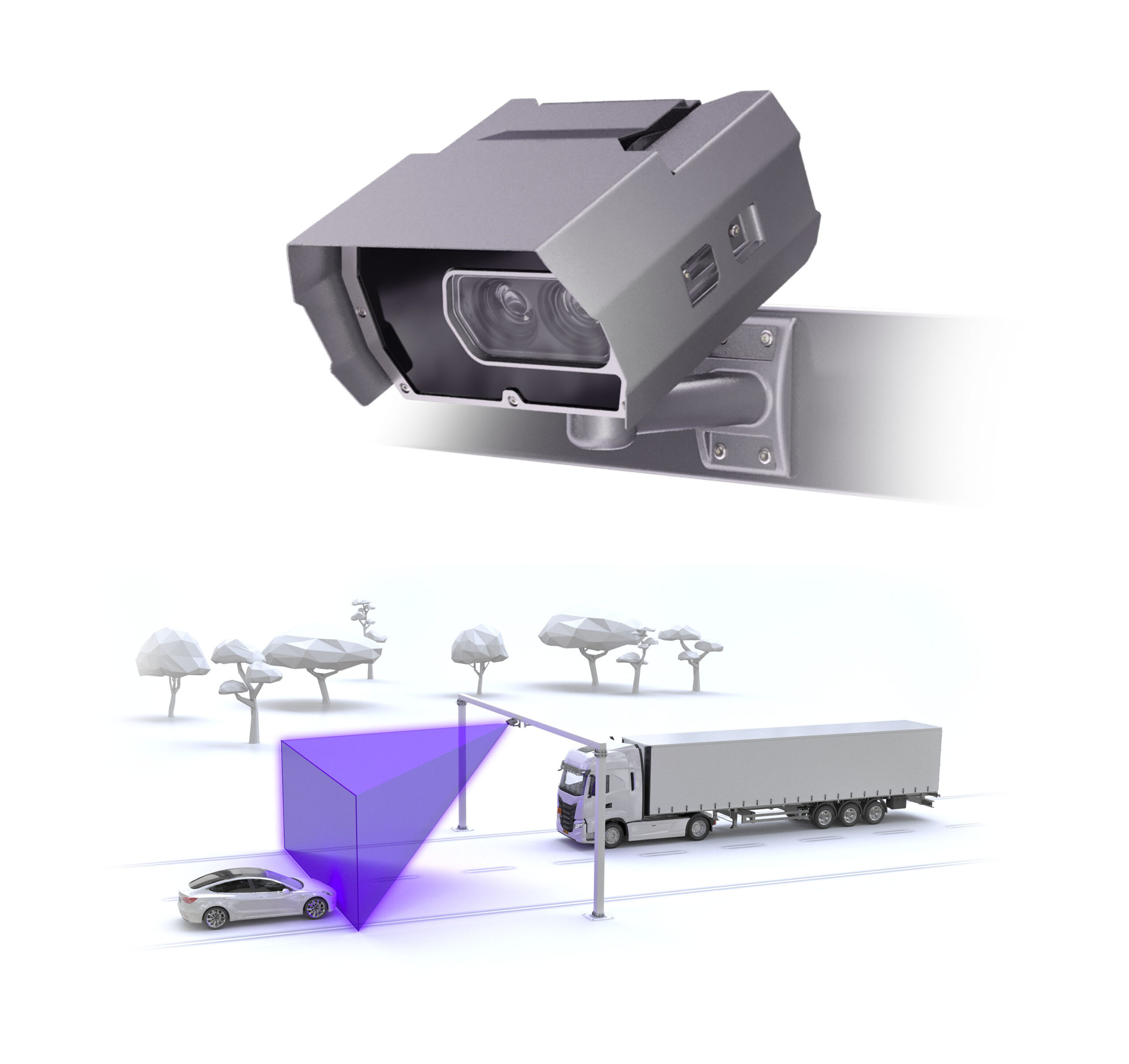
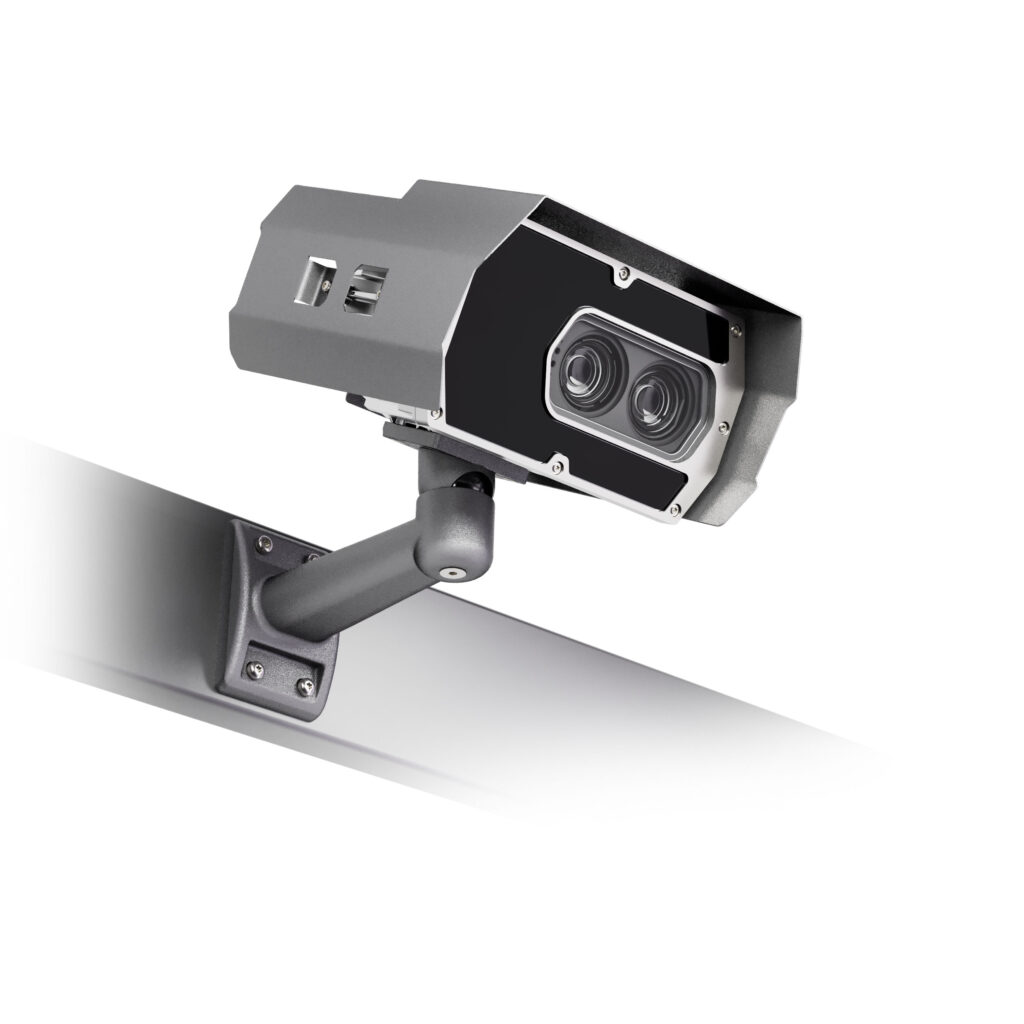
High-Performance ANPR Camera for Smart Traffic Monitoring up to 320 km/h
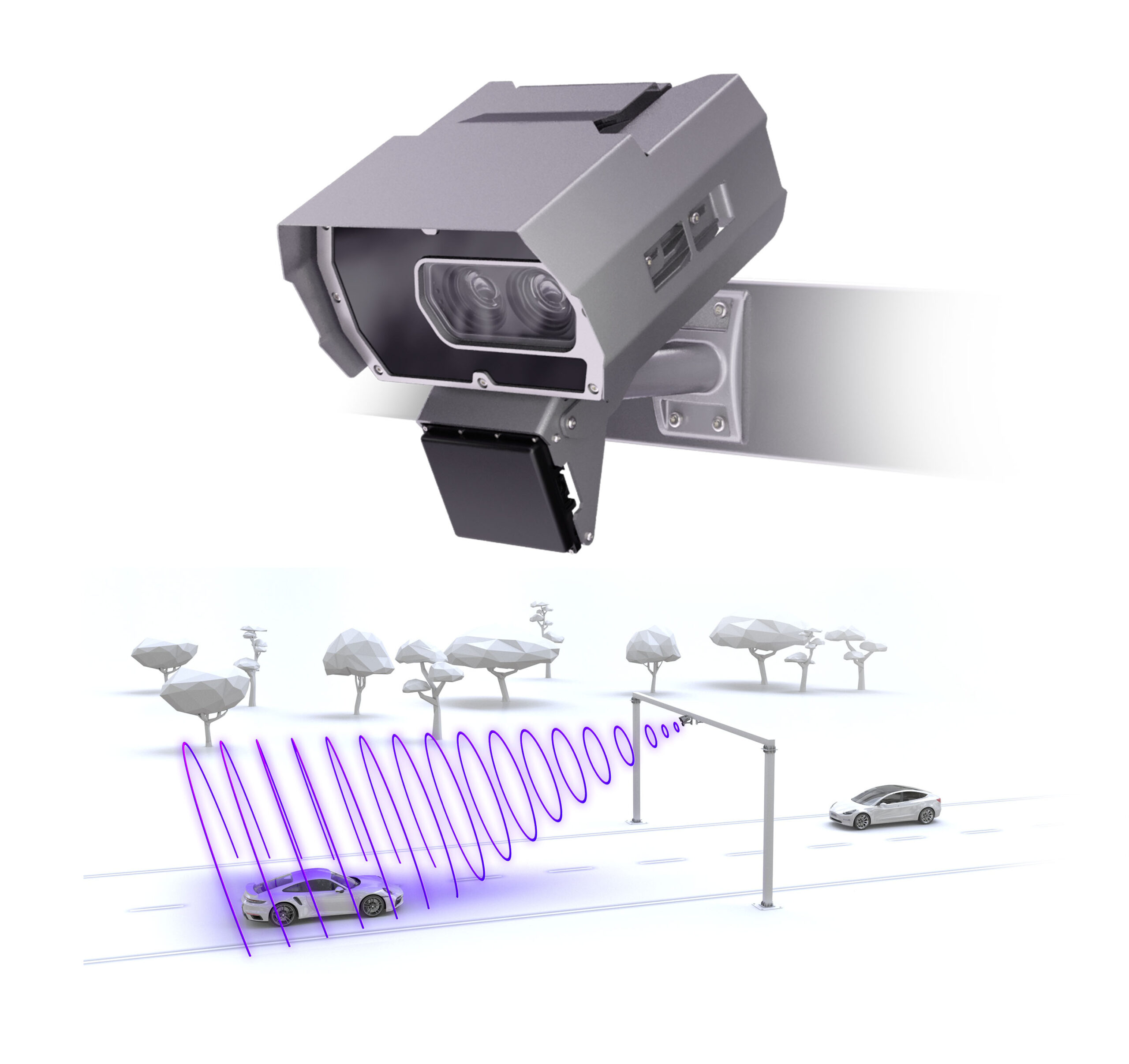
Certified Multi-Lane Speed Detection Camera
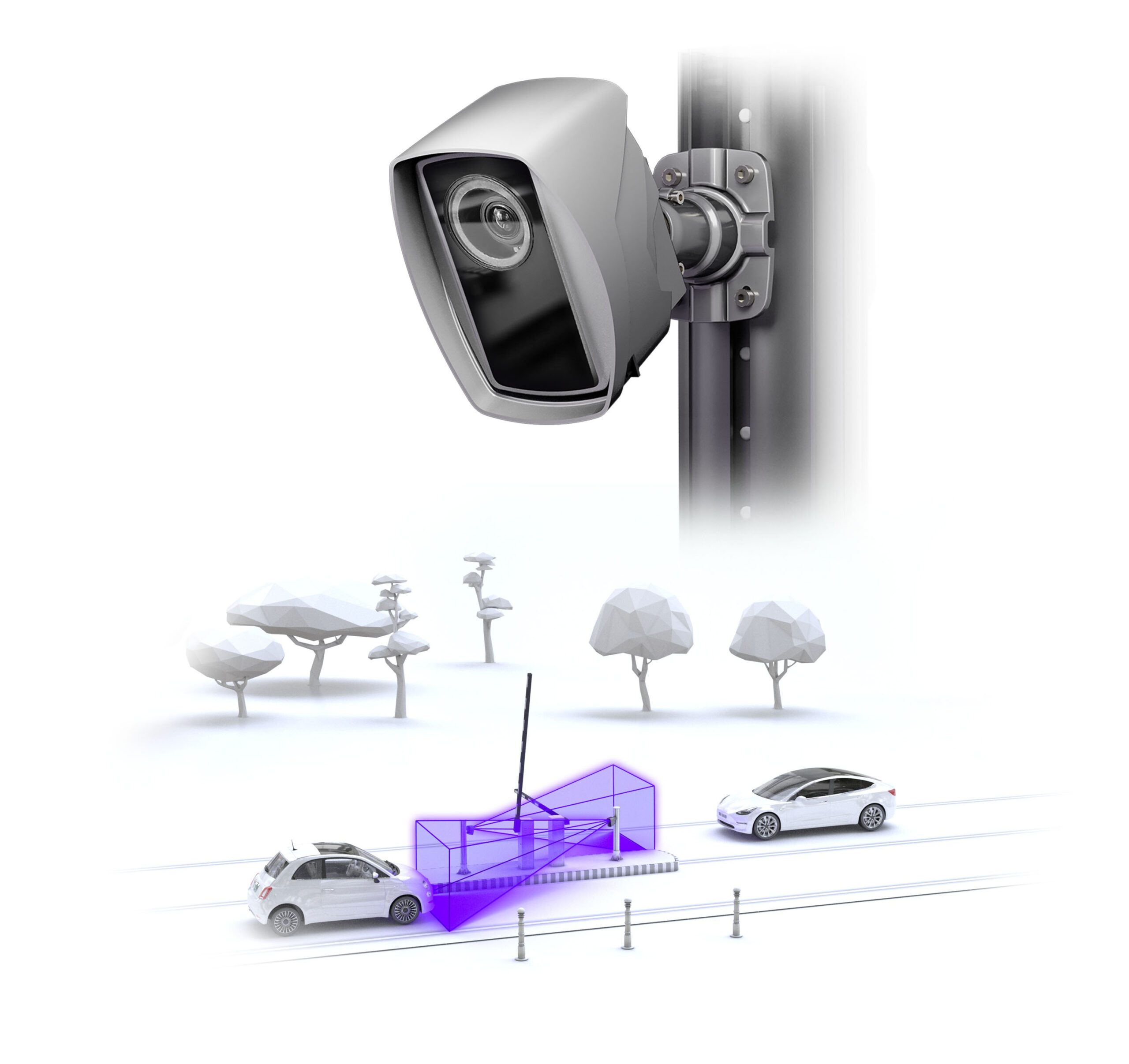
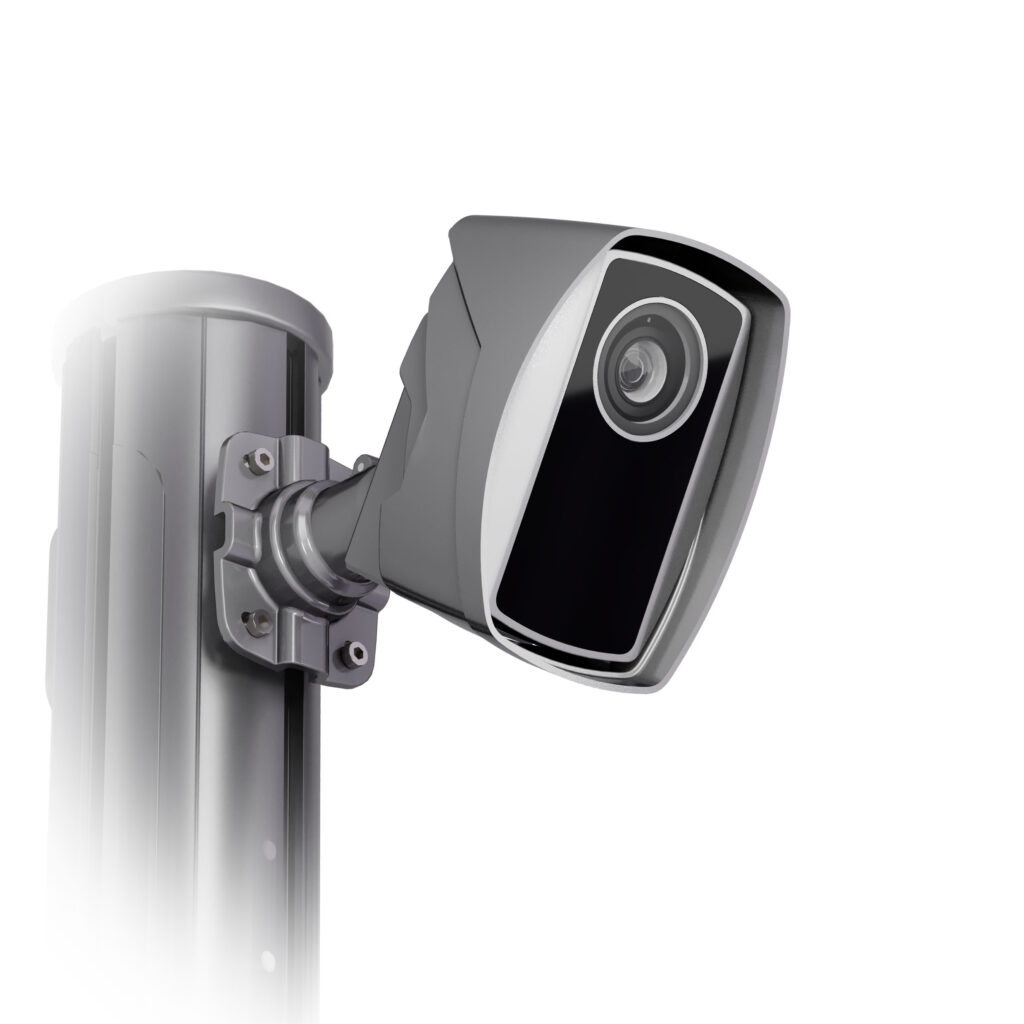
Smart Access Control Camera with ANPR, Speed Detection & Easy Integration

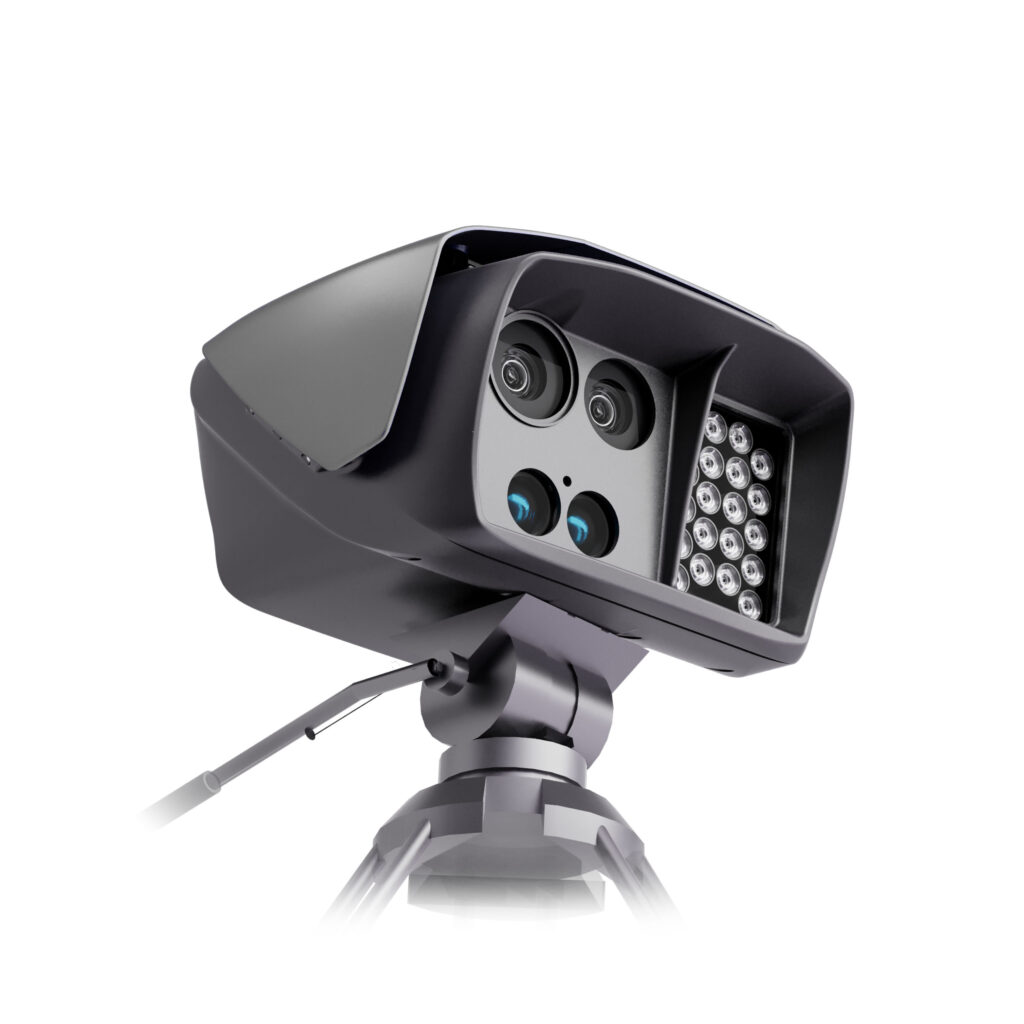
Portable Speed Camera with Rapid Deployment, Certified Speed Measurement, No Infrastructure Needed
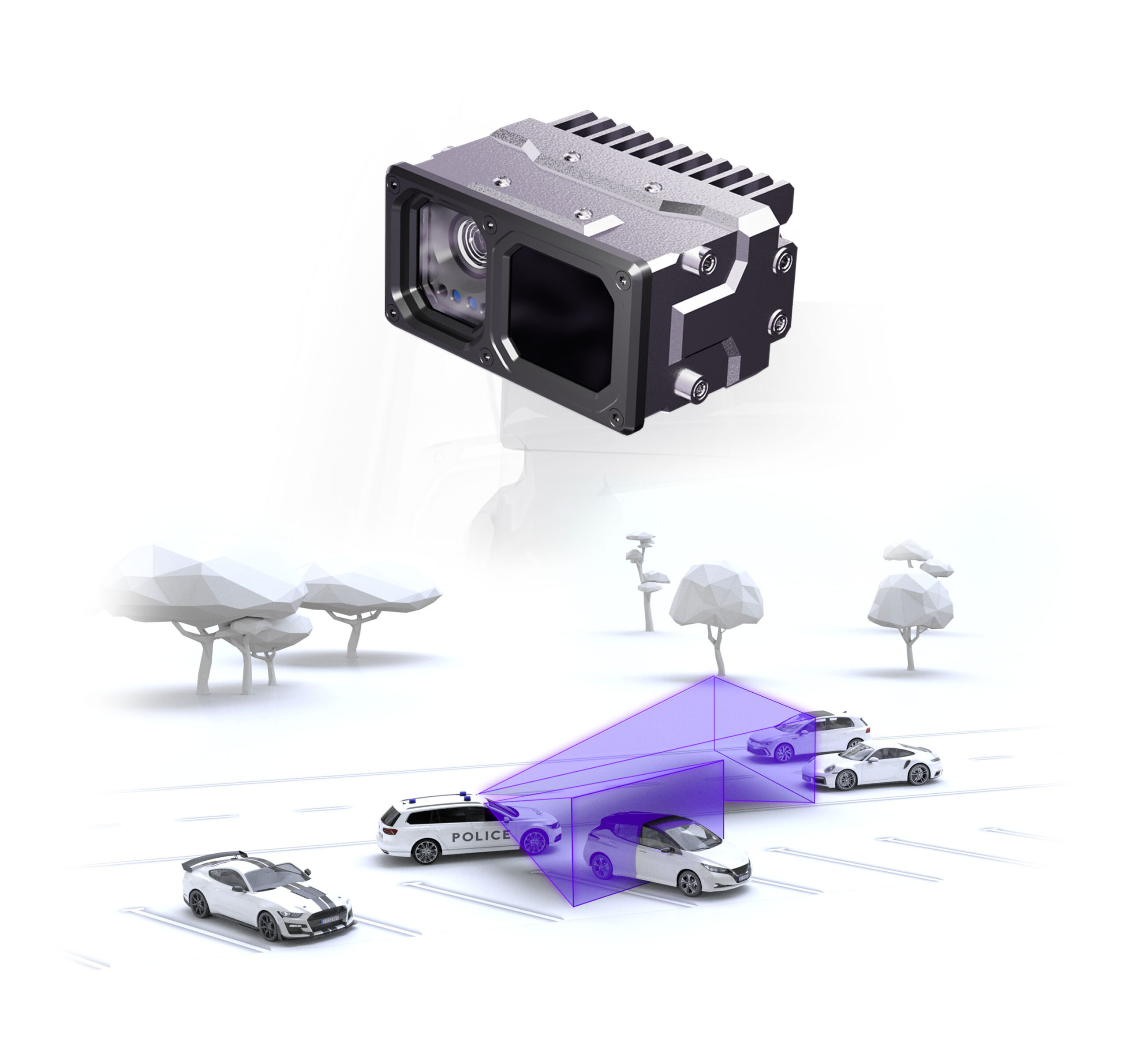
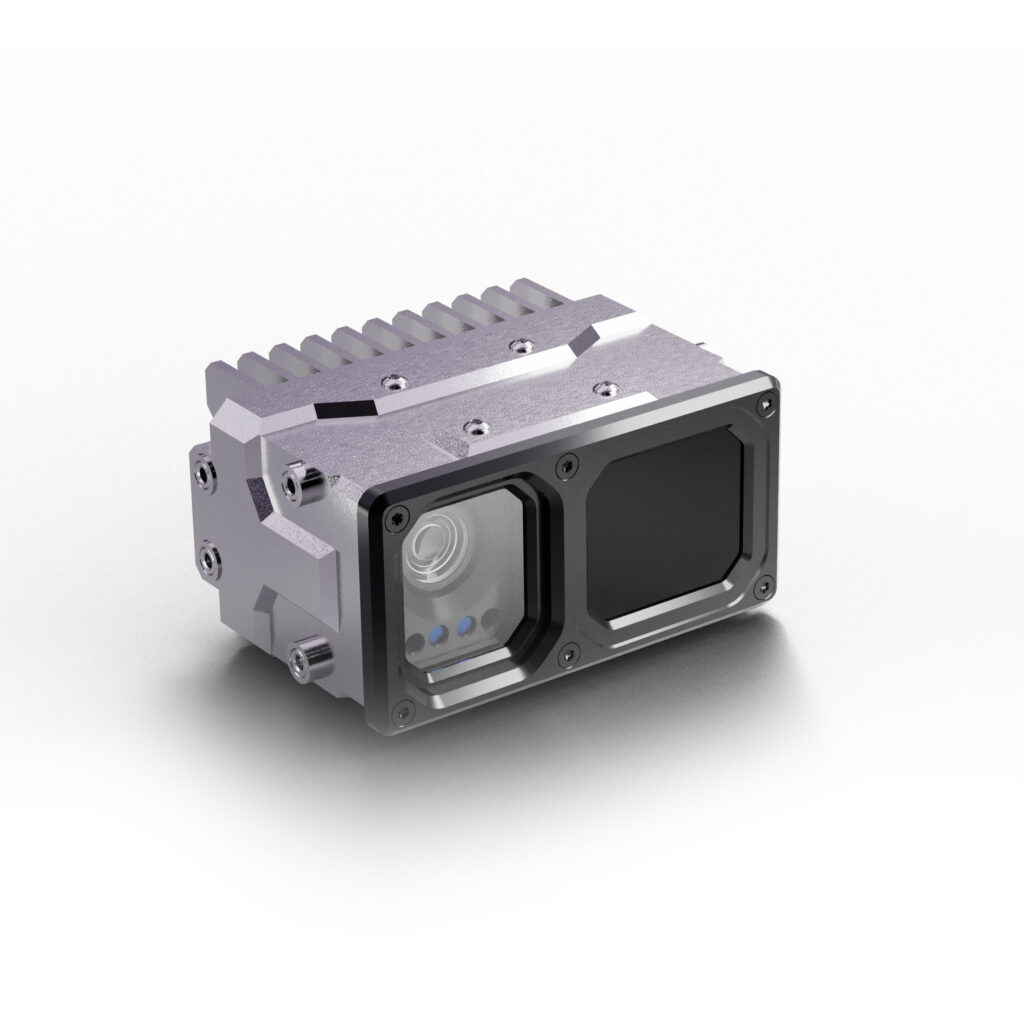
Ultra-compact mobile ANPR camera with onboard MMR and real-time analytics

COMING SOON
From high-speed highways to secure access points, our ANPR cameras deliver dependable recognition across any application.
ANPR cameras are used wherever automatic vehicle identification can make a difference - from busy highways and toll booths to parking lots, gated communities, and city streets. They help cities run smoother, keep traffic flowing, and make security tighter.
For example, Adaptive Recognition’s Vidar camera
is widely deployed in tolling systems around the world, quietly capturing license plates and ensuring fair and efficient tolling without the need for vehicles to stop or slow down at gates. Meanwhile, the Vidar Speed, Lynet Speed, and S1 cameras are specialized for traffic enforcement, helping authorities monitor speed and catch violations in real time.
In urban settings, the versatile Einar access control camera
goes beyond simple access control. For example, it enhances parking enforcement and access management in Colombia’s Chipichape Shopping Center
, streamlining operations by eliminating long queues and increasing efficiency.
And for on-the-move operations, Lynet mobile ANPR cameras
are built to be mounted on patrol vehicles, providing powerful on-the-move ANPR for law enforcement and parking enforcement teams.
Whether mounted on fixed infrastructure like gantries and gates or on moving vehicles and ferries, ANPR cameras by Adaptive Recognition are designed to deliver fast, reliable vehicle recognition wherever it’s needed.
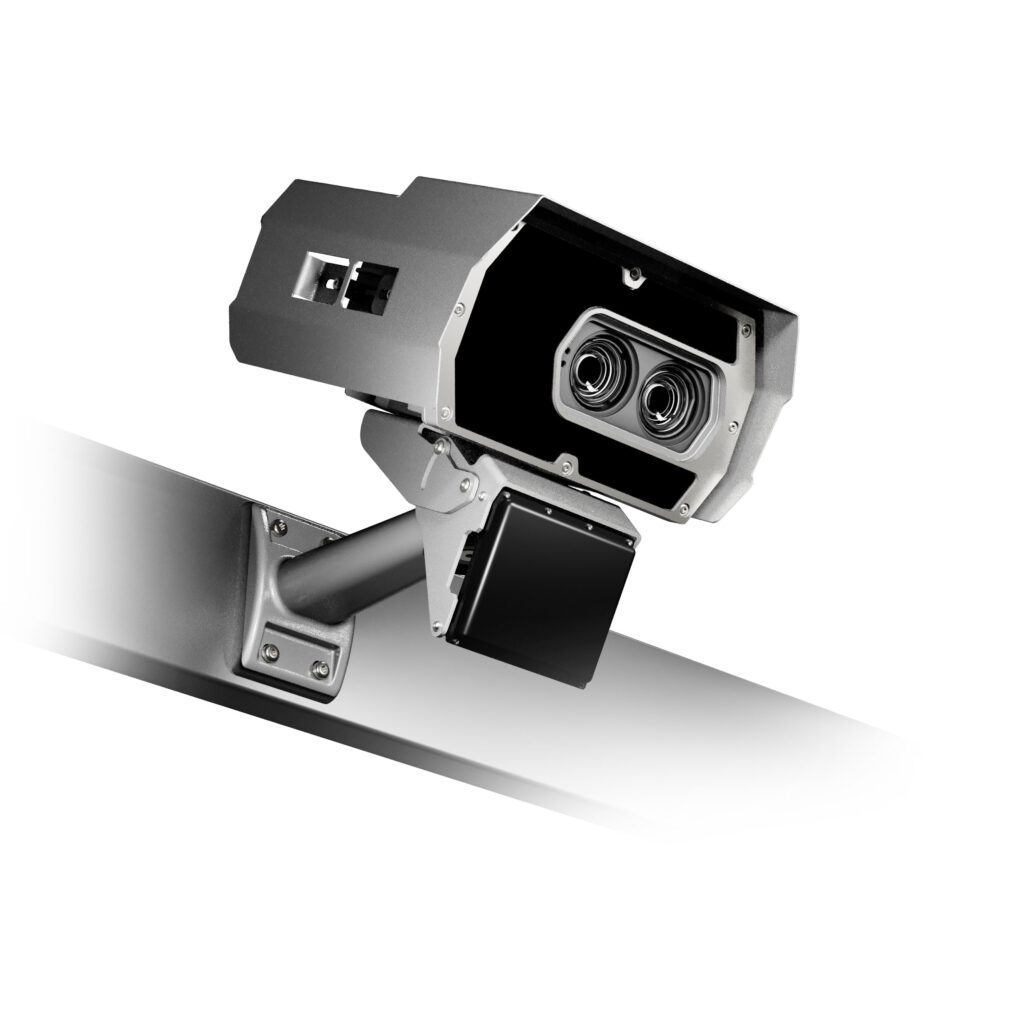
ANPR cameras often look similar to regular security or traffic cameras but are specially engineered to capture clear images of vehicle license plates, even at high speeds and in challenging conditions. They’re typically compact, sturdy devices housed in weatherproof and sometimes vandal-resistant cases to endure outdoor environments.
At Adaptive Recognition, our Vidar camera is an industrial-grade unit built to withstand harsh elements, often mounted on gantries or poles over highways. It features specialized optics and integrated lighting to capture plates accurately day and night.
The Einar camera, designed for parking lots and access points, combines a compact form factor with vandal-proof construction, ensuring reliable operation in urban and public spaces.
For mobile applications, the Lynet camera is compact and discreet, designed to be easily hidden on patrol vehicles, delivering high-speed, on-the-move license plate recognition without drawing attention.
While their appearance varies by use case, all Adaptive Recognition ANPR cameras are crafted to provide the clearest, most accurate plate images in any environment.
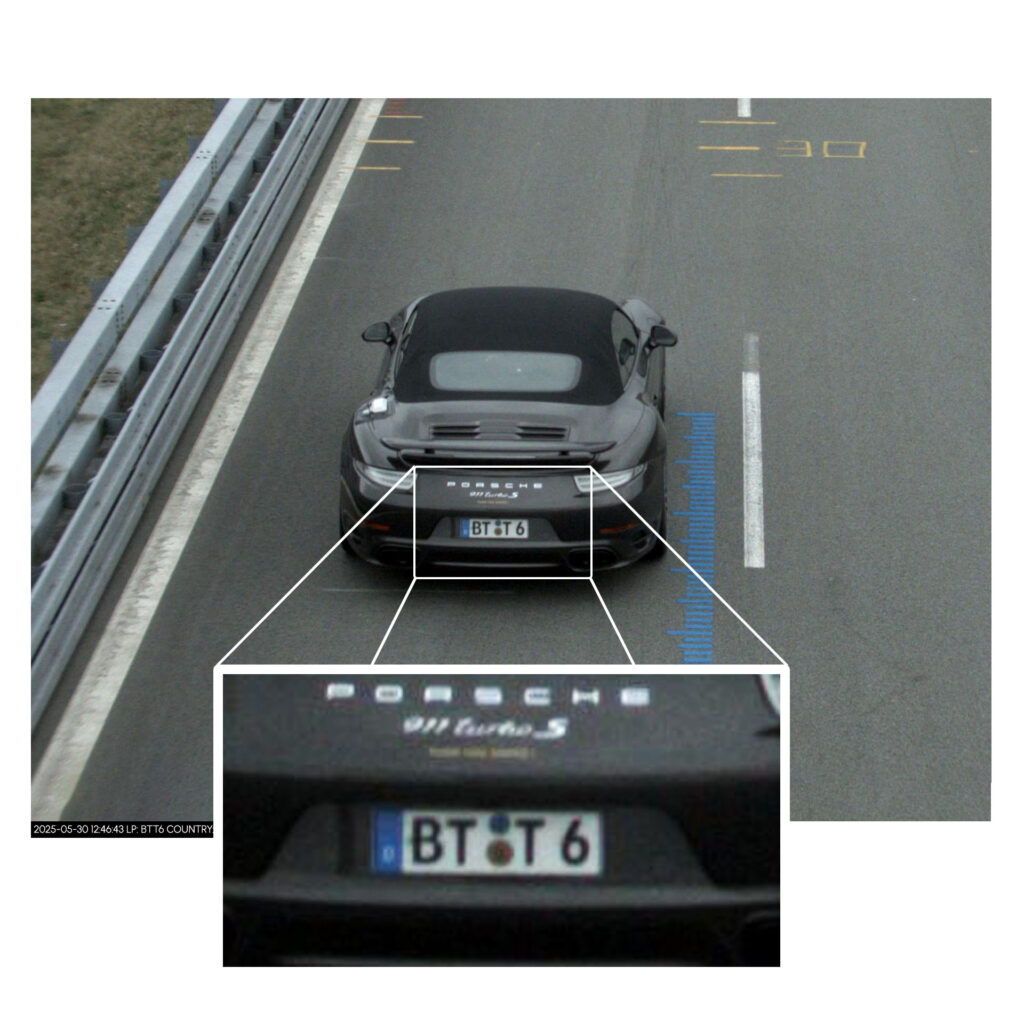
At their core, ANPR cameras are designed to automatically capture and read vehicle license plates. They use high-resolution imaging combined with advanced software to identify the exact characters on each plate - this is their primary and most critical function, enabling real-time vehicle identification.
In addition to plate recognition, some ANPR cameras, including Adaptive Recognition’s, can also capture related vehicle details such as make, model, color, and category, providing helpful context for traffic monitoring and enforcement.
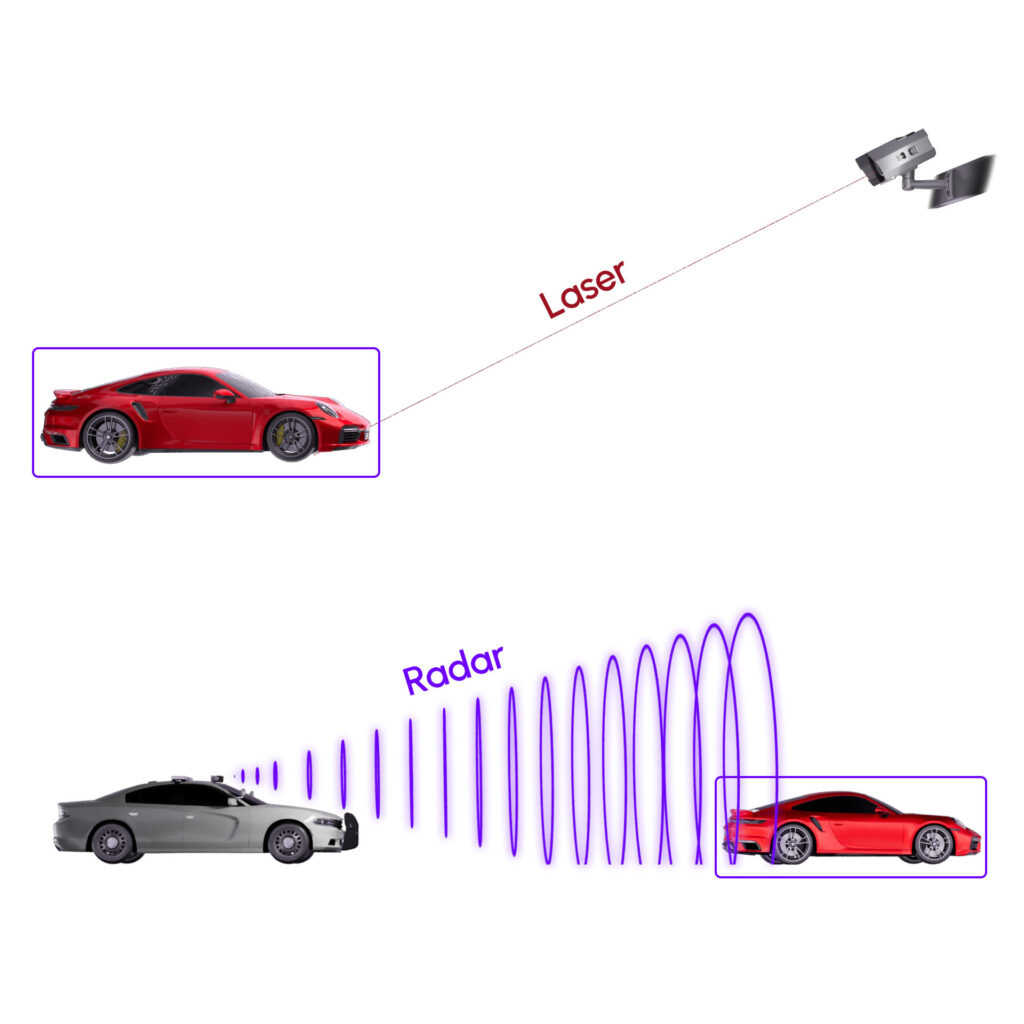
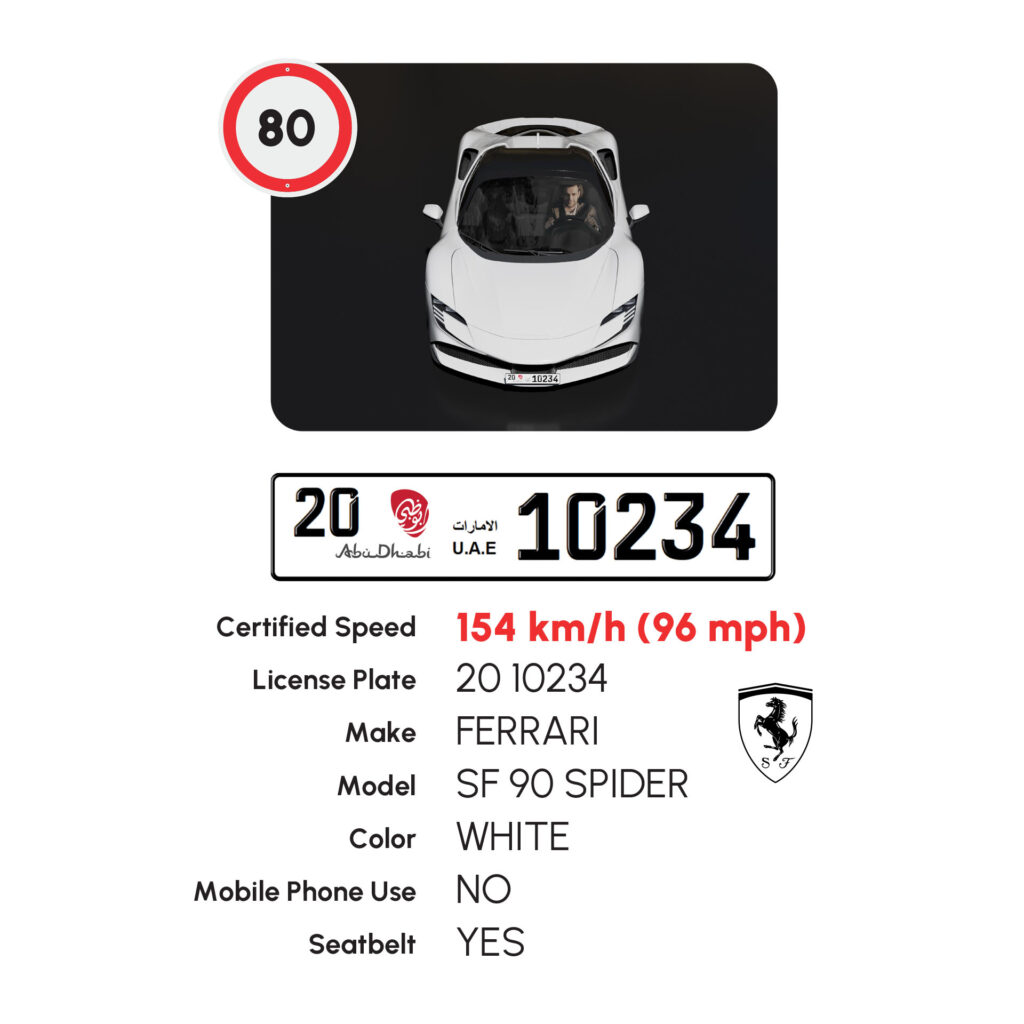
For enforcement purposes, ANPR cameras like Vidar Speed, Lynet Speed, and the S1 portable speed camera
feature certified speed measurement technology, ensuring accurate and legally valid speed checks. The Einar camera can also monitor vehicle speeds in urban areas, though it is not certified for official enforcement.
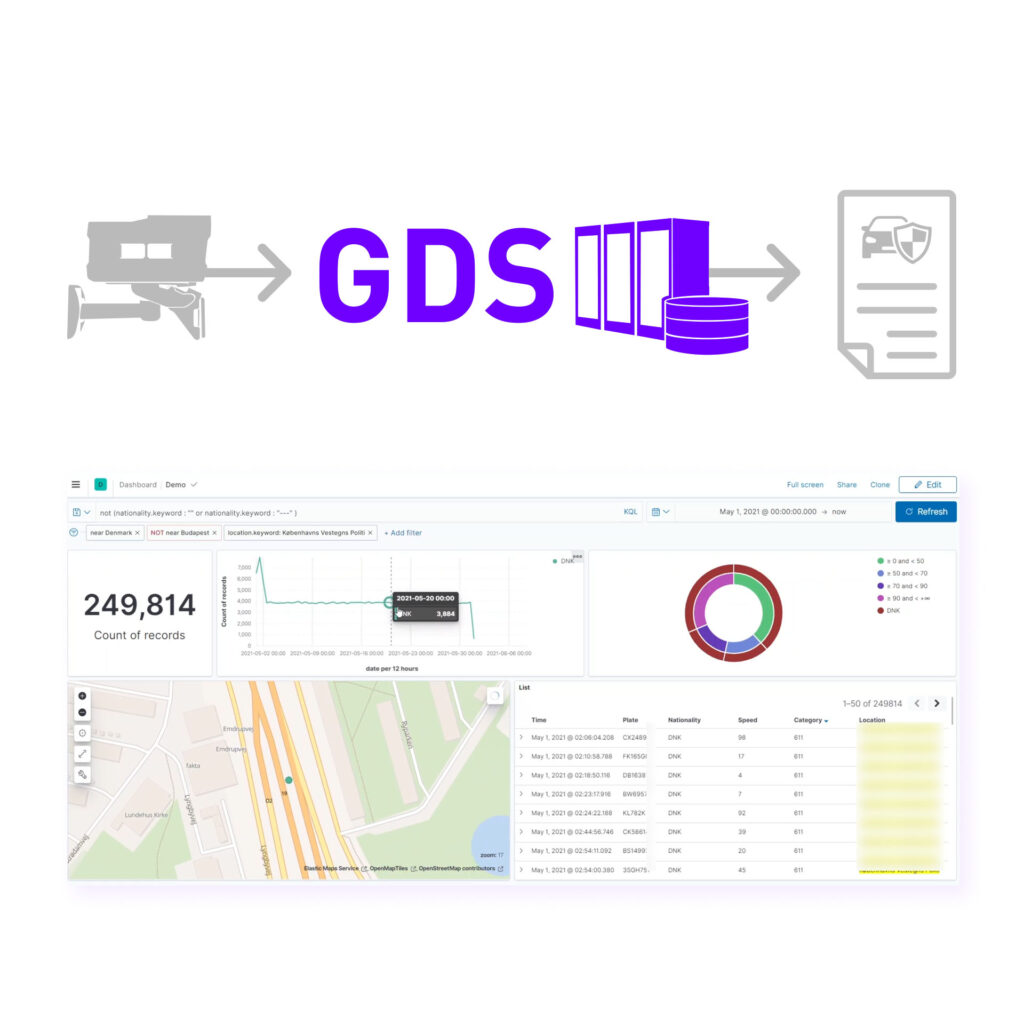
Beyond reading plates and measuring speed, ANPR systems often cross-reference captured data against databases to verify toll payments, control access
, or flag vehicles for law enforcement - transforming raw images into actionable intelligence for safer, smarter transportation.
Not all police cars have ANPR cameras, but many do. ANPR technology allows officers to quickly scan license plates while on the move, helping them identify stolen vehicles
, check for outstanding fines, or spot other alerts in real time.
Some ANPR cameras, like Lynet, are compact and discreet - perfect for patrol cars because they’re hard to spot and can capture data seamlessly during regular traffic monitoring. The use of ANPR varies depending on the region, budget, and the specific needs of each police department. While some fleets are fully equipped, others may use ANPR selectively.
When a vehicle passes an ANPR camera, the system automatically captures an image of its license plate and converts it into digital data using advanced recognition software. This data is then checked against relevant databases in real time or near real time - such as those for stolen vehicles, unpaid tolls, parking violations, or law enforcement alerts.
If the vehicle is flagged for any reason, an automatic notification or report is generated and sent to the responsible authority or operator. Depending on the application, this may trigger actions such as issuing a fine, allowing or denying access, or alerting police officers for further investigation.
Importantly, the entire process is automated to ensure accuracy, speed, and compliance with data protection regulations. The raw images are typically stored securely and only accessed when necessary for enforcement or verification purposes.
ANPR cameras themselves do not directly verify a vehicle’s insurance status. Their primary function is to capture and read license plates, converting this information into digital data.
However, this data can be linked to external databases by law enforcement or other authorities. When connected, these systems can cross-reference a vehicle’s registration number to check for valid insurance, outstanding violations, or other relevant records.
So while the camera captures the plate, the actual insurance check happens through integrated database systems - making ANPR a powerful tool in supporting vehicle compliance and road safety.
Yes, some ANPR cameras can check vehicle speed as part of their functionality. Specifically, models like Vidar Speed, S1, and Lynet Speed are equipped with certified speed measurement technology, allowing them to capture both the license plate and the exact speed of the vehicle simultaneously.
This combination is especially useful for traffic enforcement
, helping authorities identify speeding vehicles quickly and accurately without the need for separate speed cameras.
By integrating speed checks with license plate recognition
, these smart cameras provide a more efficient and streamlined way to monitor traffic and enhance road safety.
ANPR cameras themselves don’t directly check whether a vehicle has paid its road tax - but they do provide the data that makes such checks possible. When a camera reads a license plate, that information can be instantly cross-referenced with national or regional vehicle databases. If a vehicle is found to be untaxed, it can be flagged automatically.
In the UK, for example, road tax status is tracked centrally, and enforcement agencies use ANPR technology to identify vehicles that are driving illegally without tax. These checks often happen automatically - on motorways, in city centers, or even from mobile patrol units.
While our ANPR cameras, like Vidar or Lynet, don’t access tax records themselves, they play a crucial role in making this type of enforcement smooth, fast, and invisible to the driver.
ANPR cameras themselves do not issue fines. Their role is to automatically capture and read license plates, then send that data to the relevant authorities or enforcement systems.
Once a vehicle is identified as violating a rule - like speeding, unpaid tolls, or parking violations - the information is reviewed by the responsible agency. If confirmed, a fine or penalty notice is then issued to the vehicle owner.
In this way, ANPR cameras act as a powerful tool for detection and evidence collection, while the decision and process of issuing fines remain with authorized enforcement bodies.
ANPR cameras do not directly check a vehicle’s M.O.T. (Ministry of Transport)
status. Their primary function is to capture and read license plates, converting that information into digital data.
However, this data can be cross-checked against government databases that include M.O.T. records. When linked, authorities can quickly verify if a vehicle’s M.O.T. is valid, helping to ensure roadworthiness and compliance.
So, while the cameras themselves don’t perform the check, ANPR technology supports enforcement by providing accurate plate data to access essential vehicle information like M.O.T. status.
There’s actually no real difference between ANPR and ALPR - just the name. ANPR stands for Automatic Number Plate Recognition, while ALPR means Automatic License Plate Recognition. The terms are used interchangeably around the world, depending on local preferences. “Number plate” is more common in the UK and Europe, while “license plate” is used in the US and Canada.
Both refer to the same technology: smart cameras that automatically detect and read vehicle license plates, turning them into digital data for enforcement, tolling, traffic management, and access control. So whether you call it ANPR or ALPR, the technology behind it - and the benefits - are the same.

Para quienes buscan avances revolucionarios.
Explora productos que llevan los límites de lo que puedes lograr.
Cada industria enfrenta desafíos únicos. Descubre cómo Adaptive Recognition puede ser tu aliado para superarlos y salir fortalecido.
Ve más allá de las palabras, descubre las pruebas. Explora nuestros proyectos de referencia y casos de estudio para ver cómo Adaptive Recognition ofrece resultados excepcionales.