


Show more

Read more

View product

Systemy kontroli dostępu

Drag

Trusted Identity Verification
Across Government Workflows

Ensure passports and ID documents are read and authenticated reliably across border control, civil administration, and other public authority workflows.

Supporting Real-World
Government Identity Processes

Purpose-built identification technologies designed for the operational realities of border
control, civil administration, and public authority environments — supporting government
workflows where reliable document verification is essential.

Border Control & Travel Identity Verification

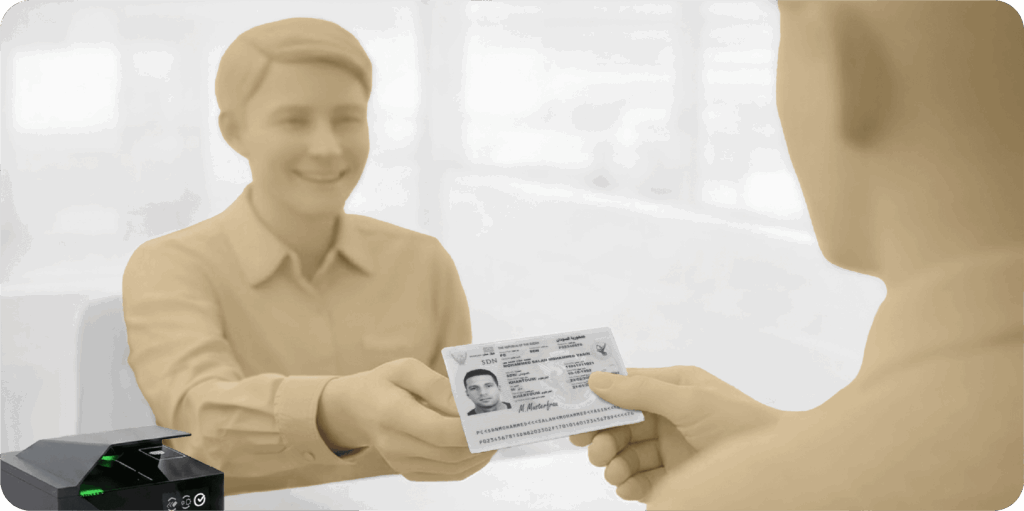
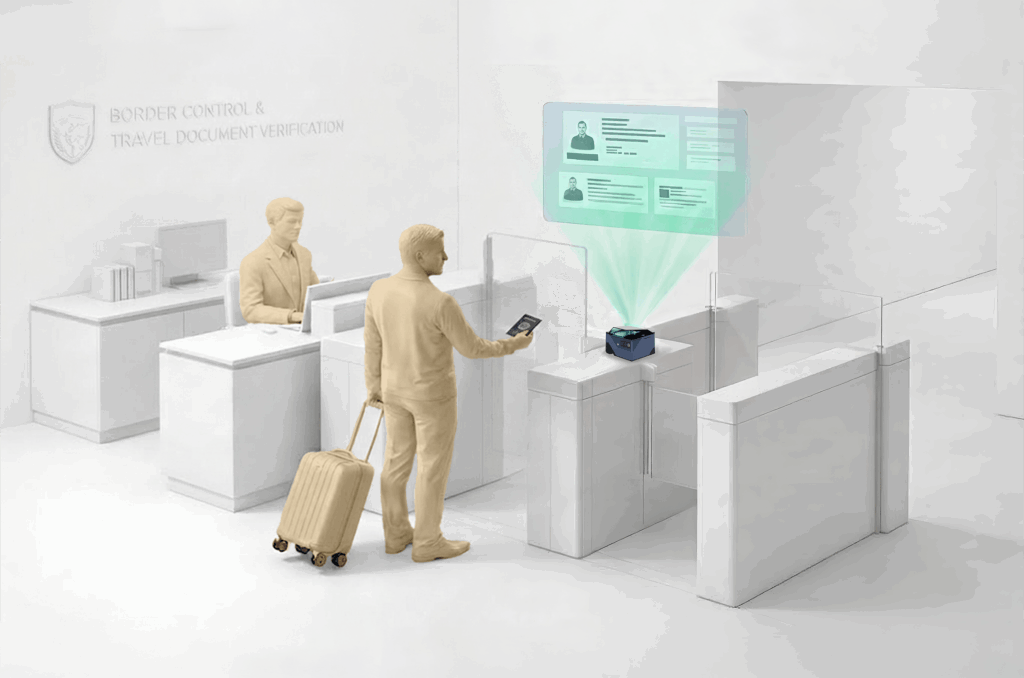
Verification of passports and travel documents at border crossings requires fast, consistent reading and authentication of identity documents in environments where accuracy and reliability are critical.

Border Control & Travel Identity Verification

Civil Administration & Population Registries

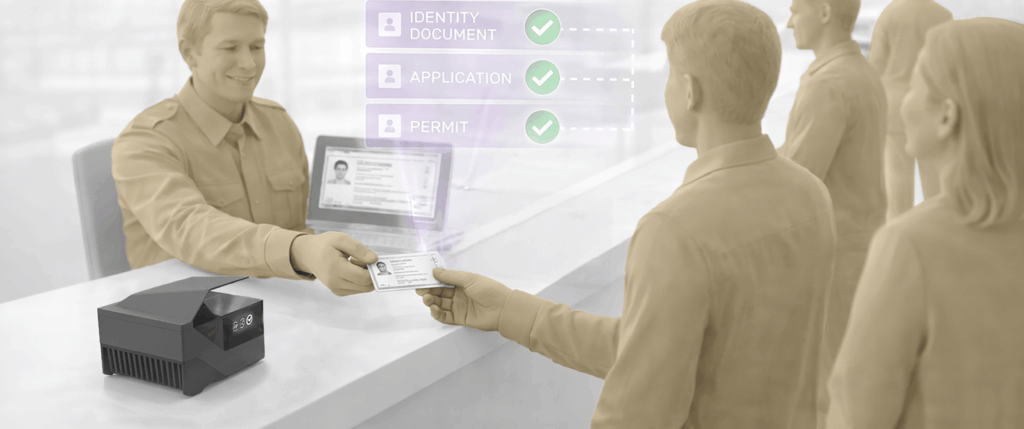
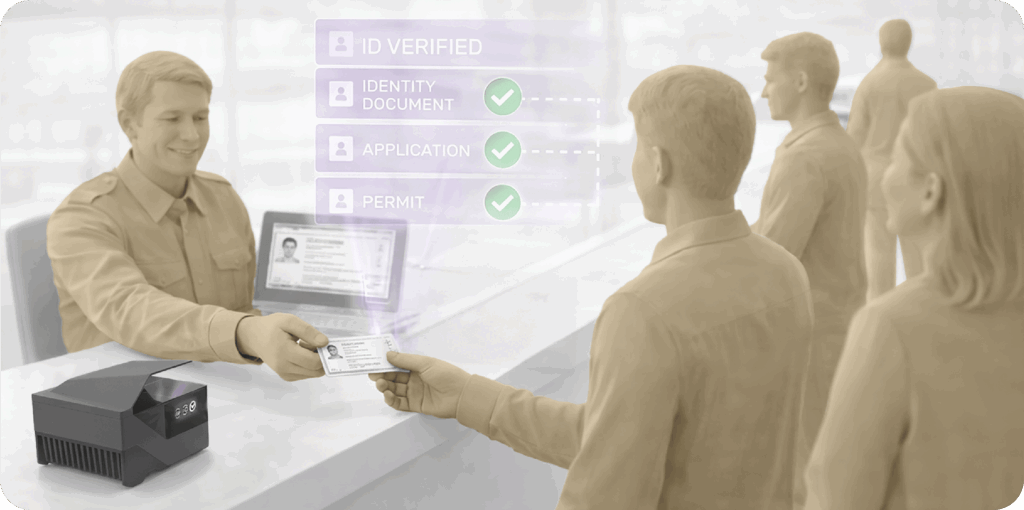
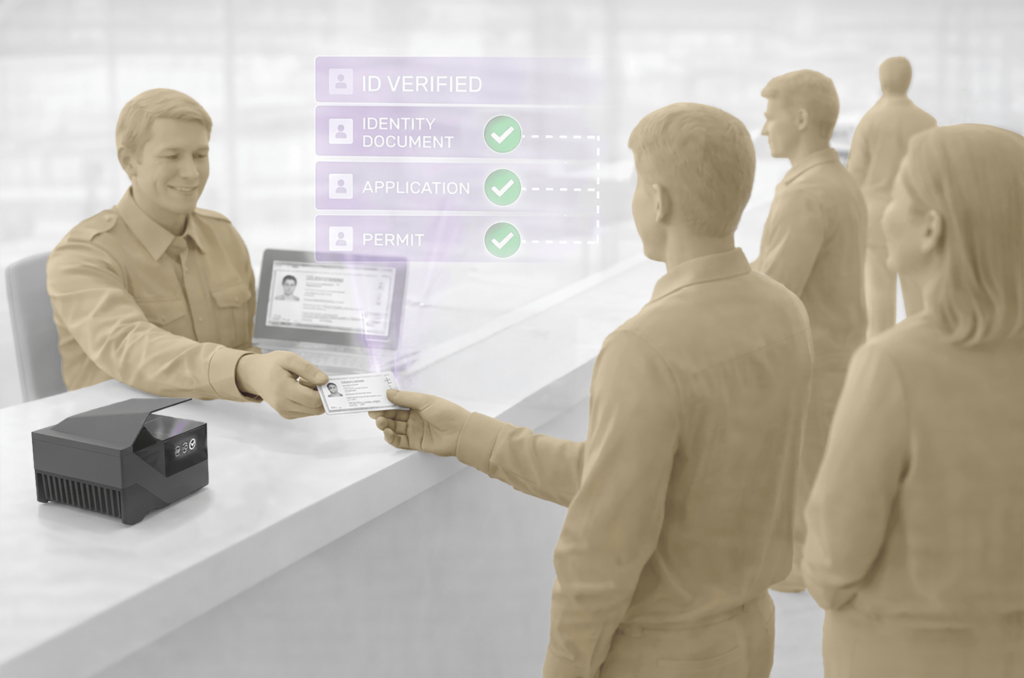
Issuance of passports, national ID cards, and residence permits requires consistent verification of official identity documents across distributed administrative environments.

Civil Administration & Population Registries

Immigration & Residency Processes

Visa applications, residence permits, and immigration procedures require consistent verification of official identity documents across multi-step administrative workflows.

Immigration & Residency Processes

Public Authority Identity Verification

Official identification is verified across regulated public sector interactions where consistent handling of identity documents supports reliable administrative processes.

Public Authority Identity Verification

Verified Identity Information,
Ready for Government Systems

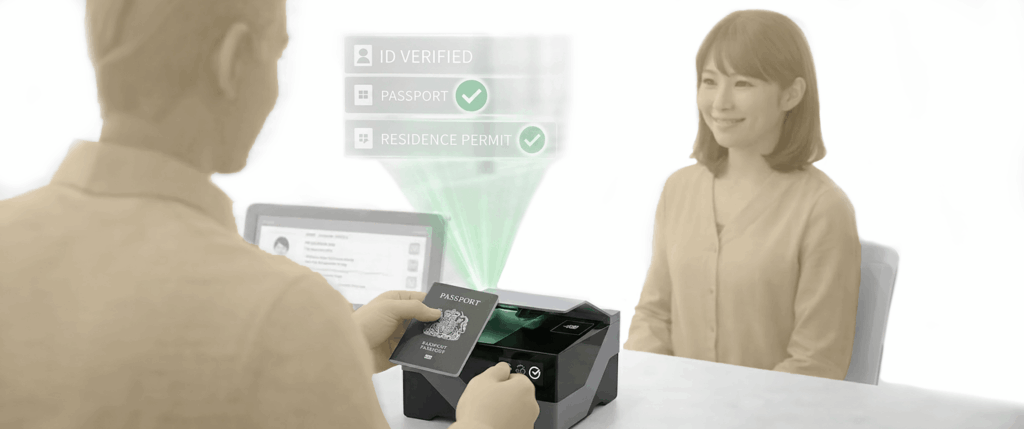
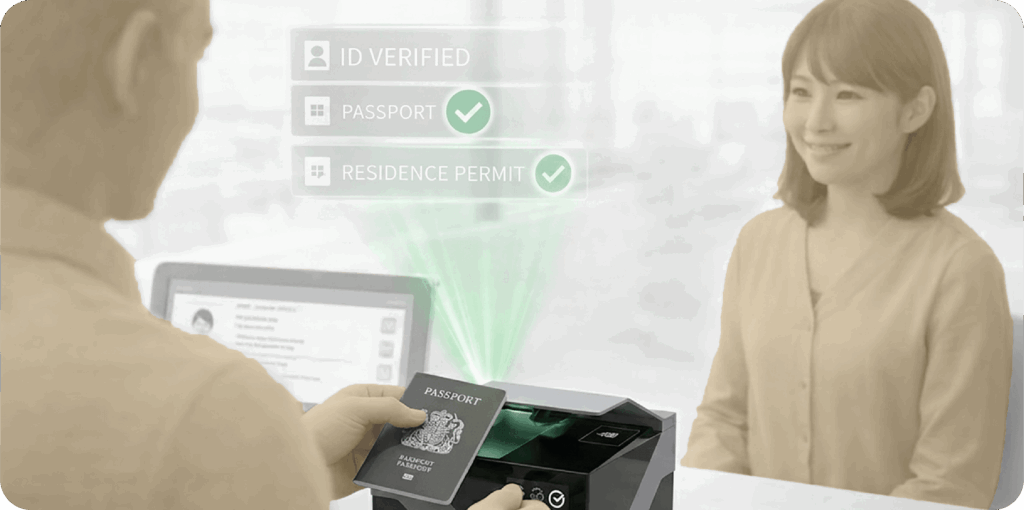
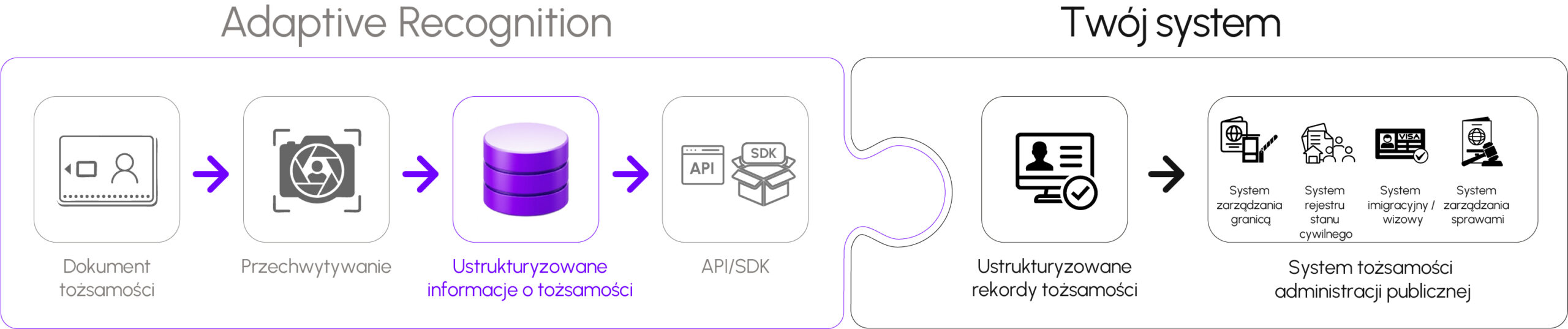
Adaptive Recognition technology reads and validates identity information directly from passports

and ID documents. The result is consistent document-based identity information that government

systems can process, store, and use across administrative workflows.

Secure Document Data Capture

Reliable identity verification begins with accurate extraction of identity document data across government verification environments.

  • Optical and machine-readable zone (MRZ) extraction
  • Visual identity field capture (VIZ OCR)
  • RFID chip data reading where available
  • Structured identity field generation
Verification of Document Authenticity

Authentication technologies help confirm that identity information originates from genuine documents.

  • Inspection of optical security features
  • Cross-checking of document data fields
  • Validation of document data structure
  • Consistent verification logic across environments
Structured Identity Information for Government Systems

Identity information is delivered in consistent formats that government systems can process reliably across workflows.

  • Standardized identity field structure
  • Consistent document-derived identity information
  • Reliable identity information across verification environments
  • Structured identity output for downstream systems

Planning an Identity Verification Deployment?

Consistent Identity Verification
Across Document Types

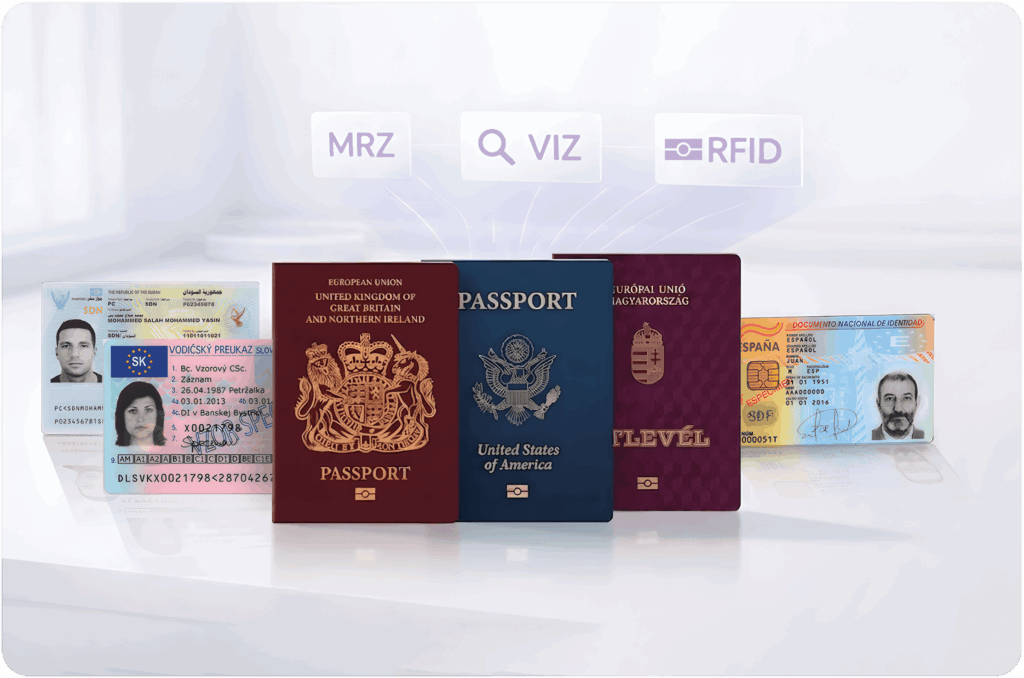
Government identity verification must work across passports and ID documents issued worldwide. Adaptive Recognition technology applies consistent MRZ, VIZ, and RFID reading methods, helping ensure identity information is interpreted uniformly across document formats and conditions.

Reliable Reading Across Document Types
Identity documents vary in layout, language, and structure. Adaptive Recognition technology consistently extracts MRZ, VIZ, and chip data across document formats defined by international and national standards.
Stable Performance Across Capture Conditions
Documents are presented under varying lighting conditions, device setups, and operational workflows. Our technology maintains reliable reading performance despite differences in positioning, presentation, or document wear.
Consistent Interpretation of Document Data
Documents differ by issuing authority, format, and available data sources. Standardized reading helps ensure identity information is derived consistently across verification environments.
Designed for Integration into
Government Identity Systems
Adaptive Recognition Identification Layer components integrate with government identity workflows through structured interfaces, helping ensure document-derived identity information can be reliably used across administrative and verification systems.

Supporting Critical
Government Identity Operations

Adaptive Recognition technology supports reliable document-based identity verification across government workflows where accurate identity information enables secure, efficient, and consistent administrative processes.

Border Control & Travel Document Verification

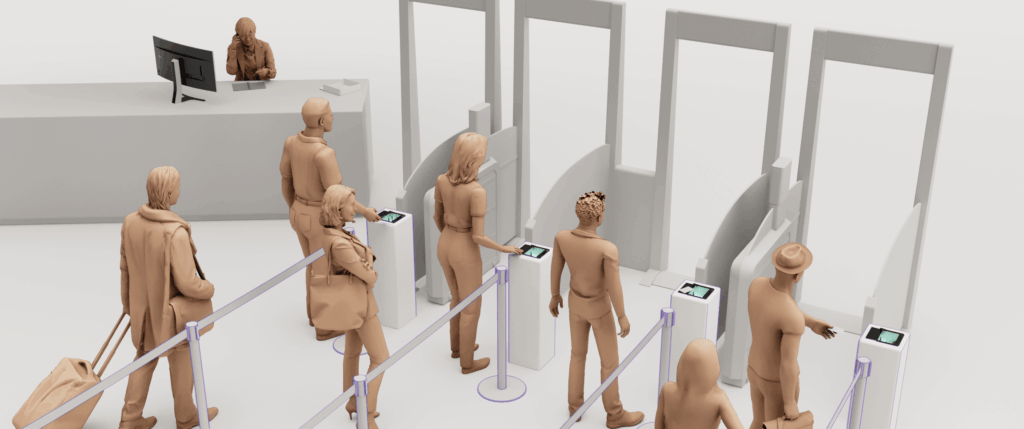
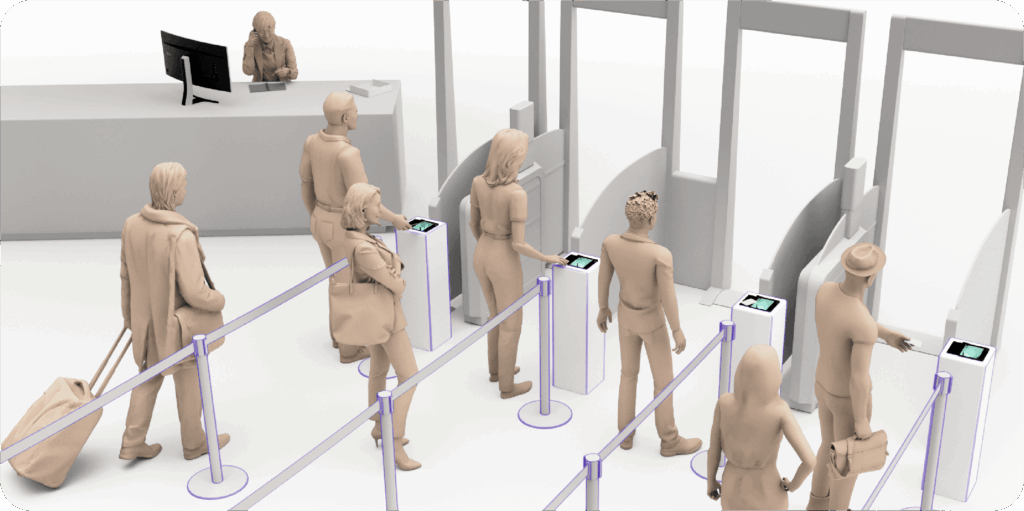
Border authorities must interpret passports and travel documents quickly and consistently across checkpoints and eGates, supporting efficient traveller processing while maintaining confidence in document authenticity.

  • Automated reading of ePassports and travel documents
  • Consistent interpretation of ICAO-compliant document formats
  • Reliable extraction of MRZ, VIZ, and RFID chip data
  • Stable document reading performance at checkpoints and gates
  • Structured traveller identity data for border management systems

Public Administration & National Identity Services

Government agencies rely on document-based identity verification when issuing official documents and maintaining accurate population records, helping reduce administrative friction and prevent identity inconsistencies across systems.

  • Structured capture of identity data from official documents
  • Reduced manual data entry during enrollment procedures
  • Accurate identity data for national ID and passport issuance workflows
  • Consistent identity fields across administrative offices
  • Reliable identity data input for civil registry systems

Law Enforcement & Regulatory Identity Checks

Authorities perform identity verification as part of regulated procedures where document authenticity and accurate identity information support controlled and traceable administrative processes.

  • Reliable reading of identity documents in field environments
  • Structured identity data supporting regulatory procedures
  • Consistent identity capture across verification locations
  • Consistent identity data across verification authorities
  • Stable identity data supporting official records

What Government Teams
Evaluate Before Deployment

Before introducing identity verification infrastructure into government environments, teams evaluate more than document reading performance — they assess operational consistency, system fit, standardized handling, and long-term control.

Official Record Integrity


Identity data captured from documents must be reliable enough to enter registries, issuance workflows, and other official records without creating downstream correction work.

Standardization Across Authorities


The same document handling approach across border posts, municipal offices, enrollment stations, and service environments reduces variation between authorities.

Modernization Without Process Fragmentation


New readers, kiosks, and capture points should strengthen identity workflows without introducing different local operating models.

Government-Scale Rollout


The same subsystem should remain usable across border control, civil administration, immigration, and other regulated identity processes.

Clean Handover into Government Systems


Structured identity fields move cleanly into registries, case systems, border platforms, and other government applications without custom downstream handling.

Clear System Boundaries

Document reading and identity extraction remain separate from eligibility checks, case logic, and other government-controlled decision layers.

Handling of Document Diversity


Different passport, visa, and ID formats are handled within the capture layer, reducing repeated exceptions in connected systems.

Maintainability Across Distributed Environments


Configuration, updates, and support remain manageable across offices, checkpoints, kiosks, and other dispersed deployment points.

Repeatable Results in Daily Use


The same document produces the same identity output regardless of office, checkpoint, device setup, or operator.

Handling Difficult Documents

Exception cases are identified early, helping teams separate them without slowing routine verification work.

Less Retyping and Manual Correction


Reliable document capture reduces manual field entry, correction, and repeated checking during daily procedures.

Stable Processing Across Service Points


Capture, extraction, and record creation remain consistent across counters, enrollment desks, checkpoints, and kiosks.

Traceability Back to the Source Document


Identity records remain attributable to the source document and the capture step that created them.

Alignment with Required Standards


The subsystem aligns with the document, data, and process standards expected in government identity environments.

Reviewable Identity Handling

Outputs remain clear enough for later review when records are checked across procedures, offices, or formal controls.

Supplier Continuity for Public-Sector Use


Long deployment support, controlled updates, and continuity remain aligned with multi-year government programs.

Deployed Across
Public-Sector Identity Environments

Adaptive Recognition passport readers and identity verification components are deployed in government identity environments where document verification must support structured identity data, controlled procedures, and reliable handling of official documents.

Passport reader at Georgia border control

Czytniki paszportów Adaptive Recognition wspierają kontrolę graniczną w Gruzji

Ministerstwo Spraw Wewnętrznych Gruzji (MIA) zainstalowało nasze czytniki paszportów Osmond, aby skrócić czas oczekiwania, spełnić międzynarodowe standardy oraz zwiększyć bezpieczeństwo na kontroli granicznej.
lpr-cameras-at-colombia-highway-featured

Dotarcie na lotnisko JMC 3× szybciej

Wcześniej ta trasa zajmowała godzinę, a teraz tylko 18 minut dzięki dwóm całkowicie nowym tunelom i mostowi.
Adaptive Recognition horizontal logo 2024
NASZE REFERENCJE

Nie wierz tylko na słowo – zobacz dowody. Poznaj nasze projekty referencyjne i studia przypadków, które pokazują, jak Adaptive Recognition dostarcza wyjątkowe rezultaty.

Nasze zasoby

Od tych, którzy widzą wyzwania jako szanse i codziennie na nowo definiują niemożliwe

WSPARCIE

Studia przypadków
Follow Adaptive Recognition