


Show more

Read more

View product

Systemy kontroli dostępu

Drag

Identity Capture
That Fits the Pace of Hospitality

Standardize identity capture across reception, kiosks, and online check-in workflows without slowing the arrival experience.

Identity Capture Across Hospitality Environments

Guest identity data is captured across multiple hospitality workflows, often under time pressure and varying operating conditions — requiring consistent, structured identity records across reception, self-service, and online check-in environments.

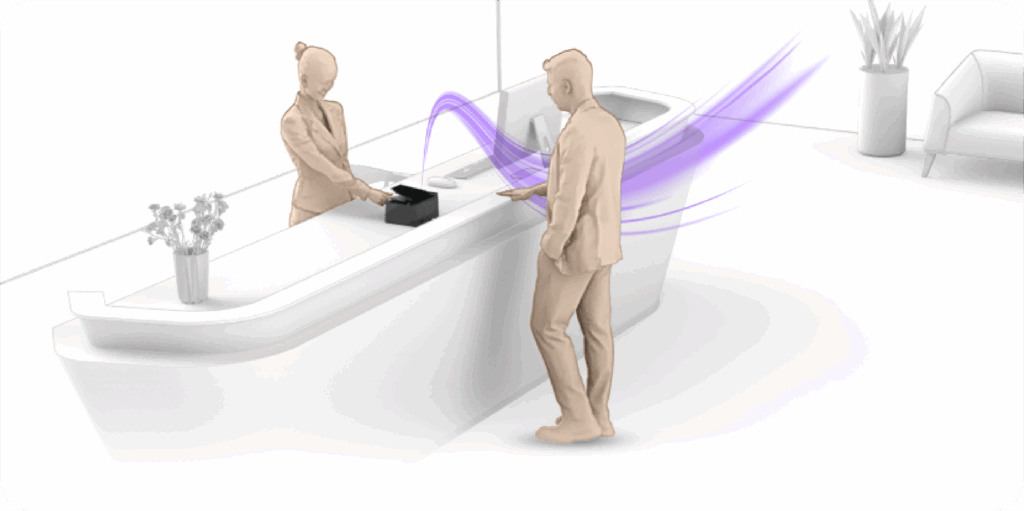
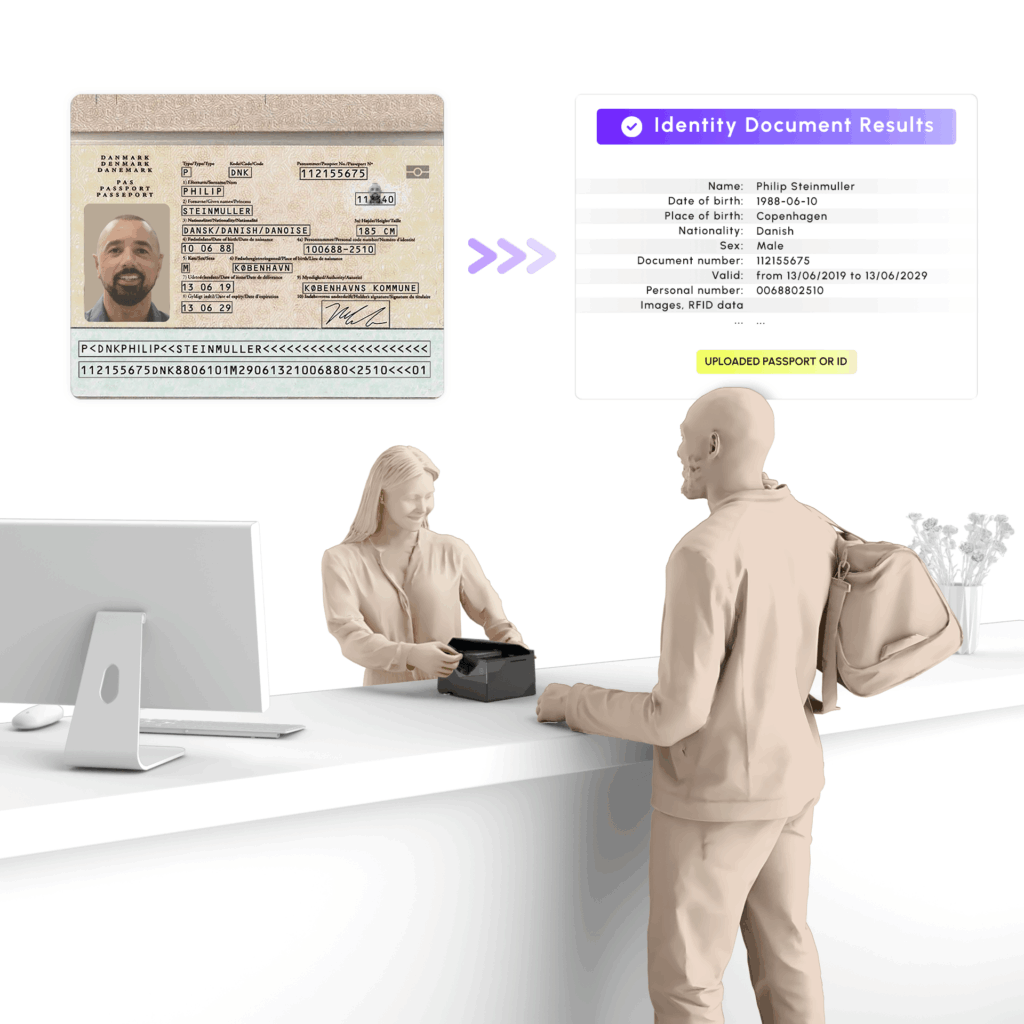
Front Desk Identity Capture

Arrival periods require fast and reliable capture of guest identity data while maintaining consistent registration standards across staff, shifts, and properties.

Front Desk Identity Capture

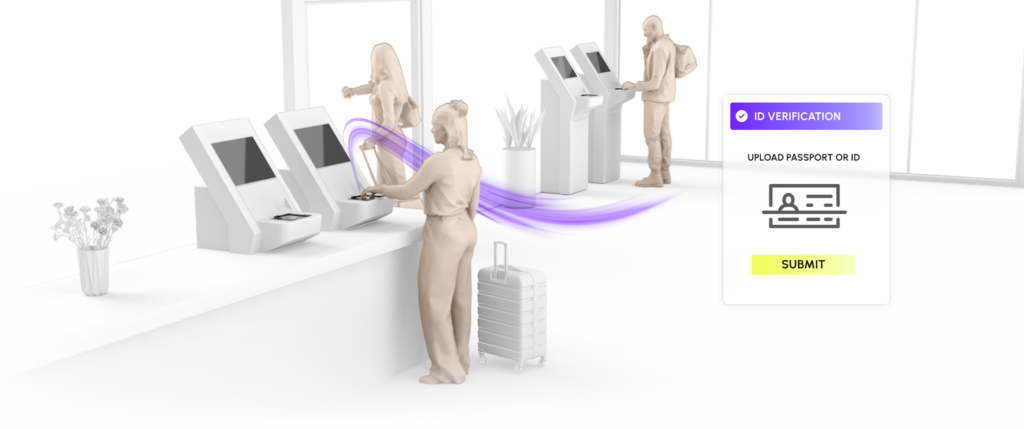
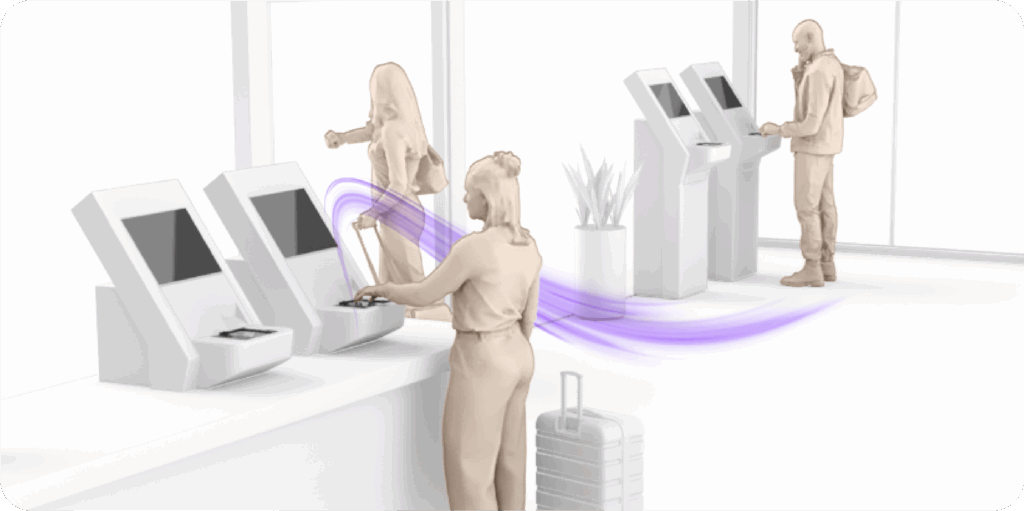
Self-Service Identity Capture

Unattended check-in environments require identity capture that produces consistent results without staff involvement, even when guests present different document types and formats.

Self-Service Identity Capture

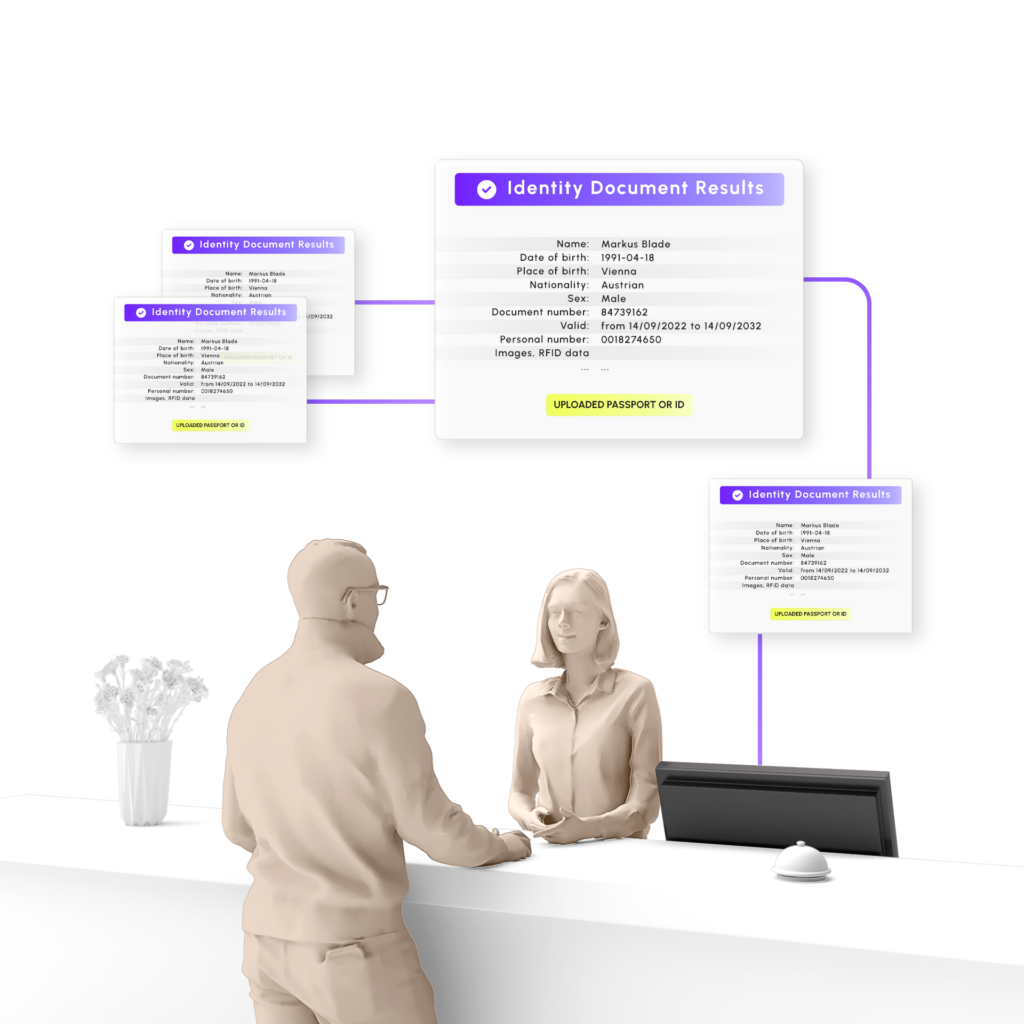
Online Check-in Identity Capture

Pre-arrival registration workflows must align guest-provided information with official document data, helping prevent inconsistencies between online submissions and identity records used during check-in.

Online Check-in Identity Capture

Consistent Guest Identity Data
Across Hospitality Systems

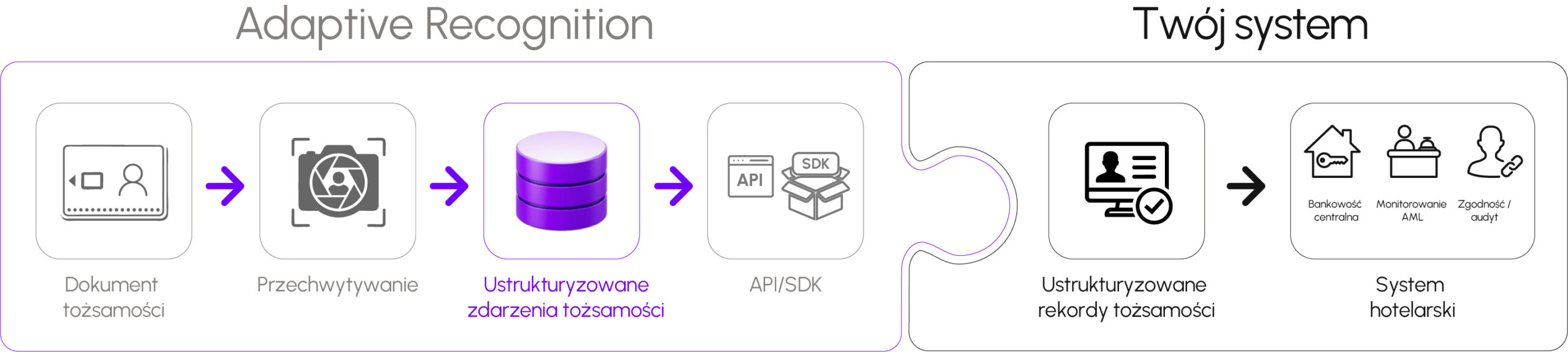
Adaptive Recognition technology standardizes identity data extracted from identity documents, helping hospitality operators and system integrators maintain consistent guest records across PMS, check-in platforms, and digital guest services.

Accurate Document Data Capture

Reliable guest registration begins with accurate extraction of identity document data across reception, kiosk, and online check-in workflows.

  • Optical and MRZ data extraction from identity documents
  • Structured identity field generation
  • Consistent capture across assisted and self-service environments
  • Direct integration into guest registration workflows
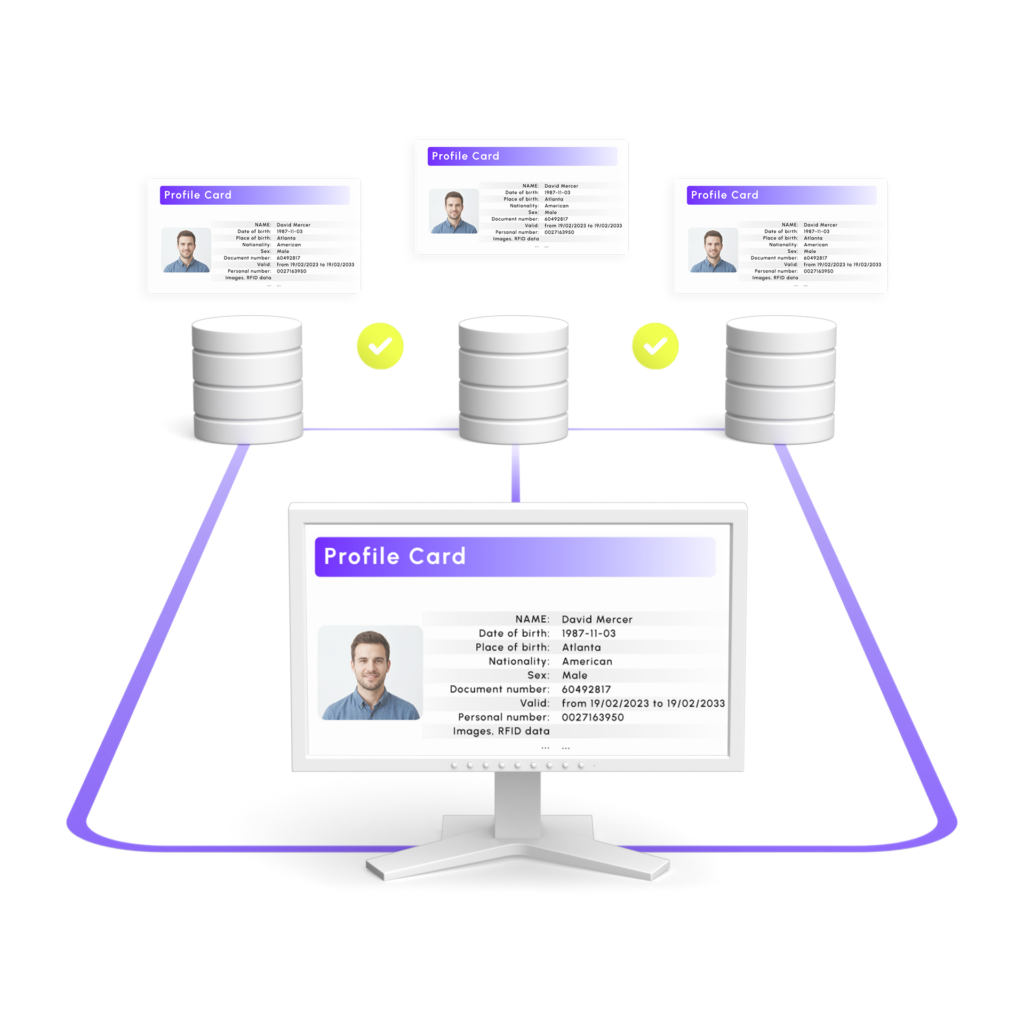
Consistent Identity Data Structure

Standardized identity fields help maintain uniform guest records across properties, supporting reliable matching of returning guests and reducing duplicate profiles.

  • Standardized formatting of identity fields
  • Reduced inconsistencies between manual and document data
  • Consistent data structure across properties
  • Reliable guest profile matching
Structured Identity Data for PMS Integration

Structured identity data supports reliable storage, retrieval, and reuse across PMS and guest management platforms.

  • Structured identity fields for PMS environments
  • Consistent data structure across digital and on-site workflows
  • Reliable transfer of identity data into hospitality systems
  • API-based delivery into guest management platforms

Planning an Identity Verification Deployment?

Consistent Identity Handling
Across Locations and Guest Touchpoints

Identity capture should not depend on local workflows or individual practices.
Hospitality organizations require consistent identity data processes across properties, systems,
and guest touchpoints to maintain reliable guest records and operational continuity.

Designed for Multi-Property Operations
Adaptive Recognition technology supports consistent identity capture across hotel groups and distributed property networks, helping maintain reliable guest records regardless of where check-in takes place.
One Guest Identity Record Across Touchpoints
Guest identity data often enters systems through reception, kiosks, and online check-in. Standardized capture helps ensure guest records remain consistent regardless of where registration begins.
Stable Identity Capture During Peak Arrivals
Arrival periods create operational pressure where identity data must be captured quickly without introducing inconsistencies. Standardized document data extraction helps maintain reliable guest records even during high-volume check-in periods.
Designed for Integration
into Hospitality Systems
Adaptive Recognition technology delivers structured identity data that fits within existing hospitality system architectures, supporting consistent guest identity workflows across PMS, check-in platforms, and digital services.

Identity Capture Supporting
Key Hospitality Workflows

Hospitality operations rely on accurate identity data at check-in, consistent guest records across stays, and reliable identity information across systems. Adaptive Recognition technology supports structured identity capture that helps maintain dependable guest records.

Guest Registration & Profile Creation

Accurate identity data supports reliable guest profile creation during check-in and registration workflows. Structured document data helps maintain consistent guest records across properties while reducing manual data entry effort and improving data accuracy at the point of capture.

  • Automated extraction of identity document data
  • Structured identity fields for guest profile creation
  • Reduced manual transcription effort at check-in
  • Structured identity data delivered into PMS and check-in systems
  • Consistent guest data across registration workflows

Consistent Guest Identity Across Stays

Structured identity data helps maintain reliable guest profiles across repeat visits, supporting recognition of returning guests and reducing duplicate or fragmented records across properties.

  • Consistent identity data across guest stays
  • Reduced duplicate guest profiles in PMS environments
  • Reliable matching of returning guests
  • Uniform identity data structure across properties

Reliable Identity Data for Operational Processes

Accurate identity records support operational processes where guest identity information must remain complete, consistent, and accessible across hospitality systems.

  • Structured guest identity records
  • Consistent identity fields across systems
  • Reliable identity data supporting operational workflows
  • Reliable storage of guest identity information
  • Accurate identity information for reporting requirements

When Guest Identity Processes
Start Slowing Operations

Manual identity capture often becomes visible when check-in takes longer than expected,
guest records become inconsistent, or identity data cannot be used reliably across systems and properties.

Reception Workload Increases During Arrival Peaks
Manually entering passport and ID information increases staff workload and can slow check-in during busy arrival periods.
International Guest Documents Introduce Inconsistencies
Different document formats and languages increase transcription errors and incomplete identity fields within PMS records.
Guest Profiles Become Duplicated or Fragmented
Variations in manual data entry often result in fragmented guest profiles, making it harder to reliably recognize returning guests.
Growing Operations Require Consistent Guest Data
As hospitality organizations expand across properties, consistent identity data becomes essential for maintaining reliable guest records across systems.
What Banking Teams
Evaluate Before Deployment

Before introducing identity verification infrastructure into regulated environments, institutions assess more than feature sets — they evaluate control, governance, and long-term operational impact.

Documented Identity Control


Identity verification operates under defined validation logic aligned with institutional KYC policies, ensuring customer identification is applied consistently and recorded as part of compliance workflows.

Regulatory Traceability

Verification outcomes are stored as structured, timestamped records that can be reviewed during internal audit or supervisory examination without reconstructing prior decisions.

Policy-Aligned Validation

Validation logic can be configured in line with institutional KYC standards, helping ensure identity requirements are applied consistently across service points.

Support for Ongoing Monitoring

Structured identity records remain available for reassessment when AML thresholds change, risk classifications are updated, or additional due diligence is required.

Clear Control Ownership

Identity verification operates as a defined control step within the onboarding process, clarifying responsibility between identity validation and downstream risk or approval decisions.

Reduced Operational Exposure

Standardized verification logic reduces reliance on individual discretion, lowering the risk of inconsistent identity decisions across branches and service channels.

Controlled Validation Configuration

Verification parameters can be configured in line with institutional governance standards, helping ensure identity validation rules are applied consistently across deployments.

Defensible Decision Foundations

Identity decisions are supported by structured verification records, allowing outcomes to be reviewed and defended during internal investigation, dispute, or audit.

Controlled System Scope

The verification layer operates as a defined subsystem, handling identity capture and validation while remaining separate from core banking applications and decision logic.

Standards-Based Integration

Verification results are delivered through documented APIs and structured identity data formats that integrate with onboarding platforms and banking systems.

Security & Access Governance

Identity verification processes support institutional security controls, including role-based access, logging, and controlled system interaction.

Lifecycle & Change Alignment

Verification components and validation logic can be maintained within established release management, configuration, and governance frameworks used by banking IT teams.

Consistent Frontline Execution

Verification standards are applied uniformly across branches and digital channels, reducing variation in customer identification processes.

Reduced Process Friction

Structured identity capture minimizes repeated checks and manual corrections, supporting smoother onboarding and service interactions.

Operational Transparency

Verification outcomes are structured and visible within workflow systems, supporting informed decisions at service points.

Scalable Service Coverage

The verification layer supports distributed branch networks and digital channels while maintaining consistent identity verification practices.

Deployed Across
Regulated Banking Environments

Adaptive Recognition identity verification technologies are deployed within regulated banking environments, supporting institutions that require reliable document capture, authentication, and structured identity data within customer onboarding and compliance workflows.

Passport reader at Georgia border control

Czytniki paszportów Adaptive Recognition wspierają kontrolę graniczną w Gruzji

Ministerstwo Spraw Wewnętrznych Gruzji (MIA) zainstalowało nasze czytniki paszportów Osmond, aby skrócić czas oczekiwania, spełnić międzynarodowe standardy oraz zwiększyć bezpieczeństwo na kontroli granicznej.
ID scanners at Be Live Hotels

Skanery ID Adaptive Recognition usprawniają rejestrację gości w karaibskiej sieci hoteli

Firma wdrożyła szybki i bezpieczny proces rejestracji gości z użyciem skanerów ID Adaptive Recognition.
Adaptive Recognition horizontal logo 2024
NASZE REFERENCJE

Nie wierz tylko na słowo – zobacz dowody. Poznaj nasze projekty referencyjne i studia przypadków, które pokazują, jak Adaptive Recognition dostarcza wyjątkowe rezultaty.

Nasze zasoby

Od tych, którzy widzą wyzwania jako szanse i codziennie na nowo definiują niemożliwe

WSPARCIE

Studia przypadków
Follow Adaptive Recognition