











Show more

Read more

View product

View report

Drag

Vehicle Intelligence for
Connected Traffic Systems

Reliable vehicle and traf fic data that helps cities and road operators understand movement, manage inf rastructure, and connect roadside systems to smart city & ITS platforms.

Where Vehicle Intelligence
Supports Smart City Mobility

Cities and road operators rely on accurate vehicle data to understand traffic movement, manage regulated zones, and support road usage systems. Adaptive Recognition helps turn roadside capture into usable traffic intelligence for smart city and ITS operations.

Traffic Management

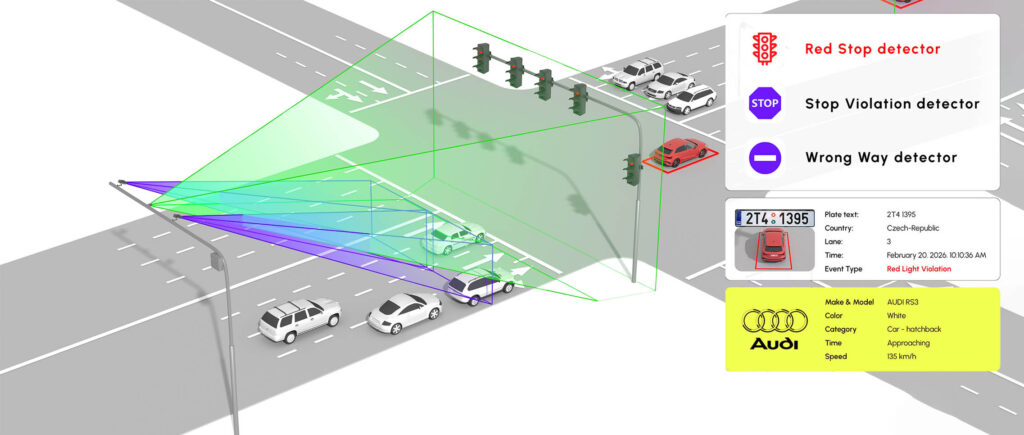
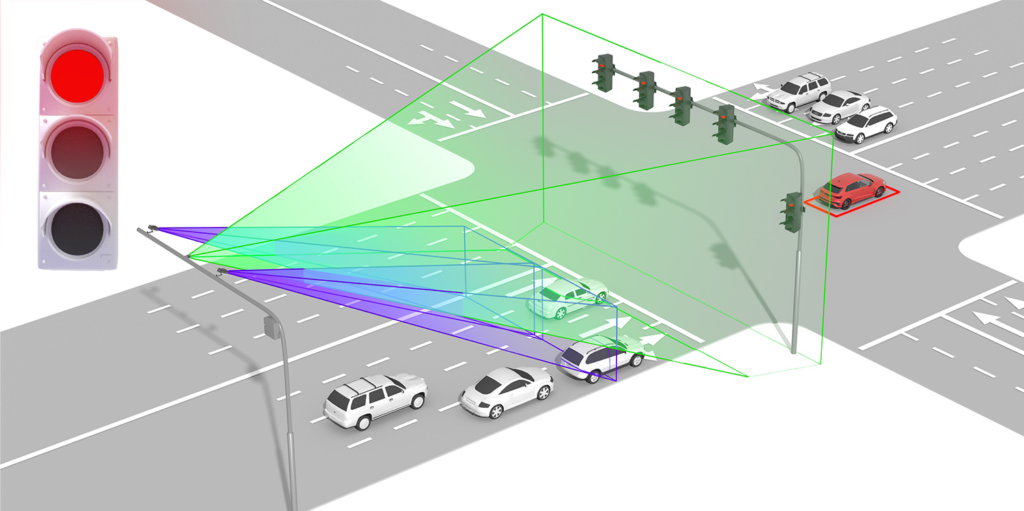
Monitor vehicle movement across roads, intersections, and corridors where traffic flow, congestion, and network visibility matter.

Traffic Management

Low-Emission & Restricted Zones

Identify vehicles entering regulated urban areas where access rules, environmental policies, and vehicle categories must be applied.

Low-Emission & Restricted Zones

Tolling & Road Usage

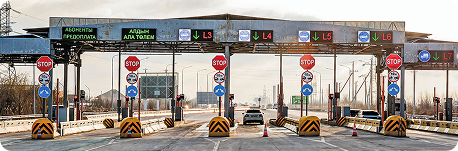
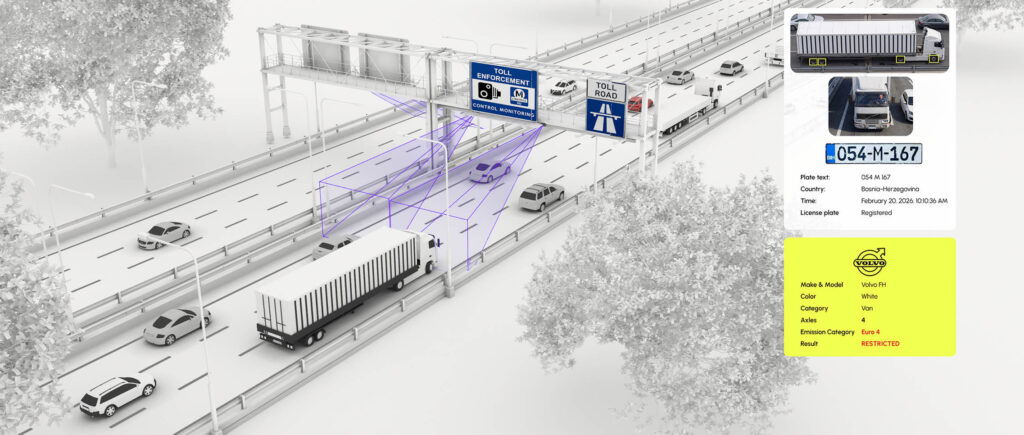
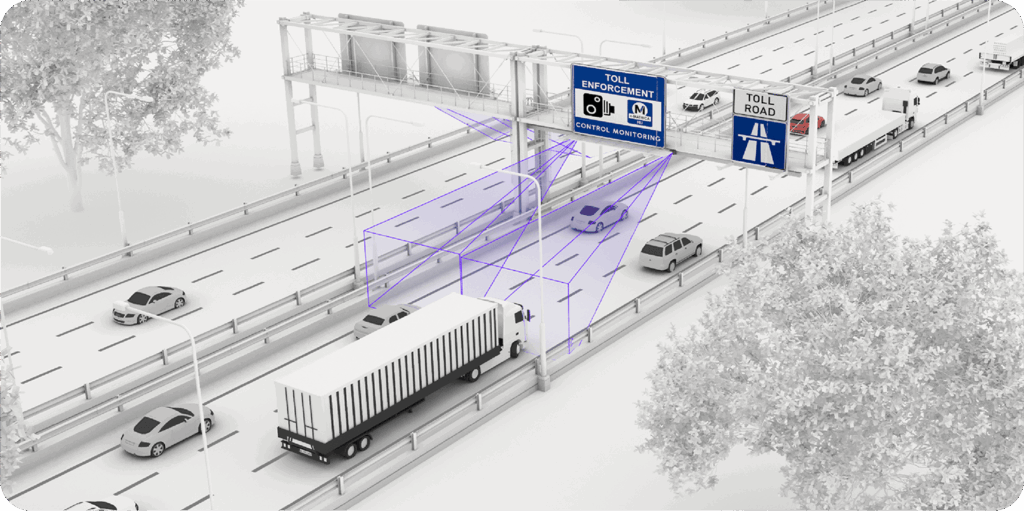
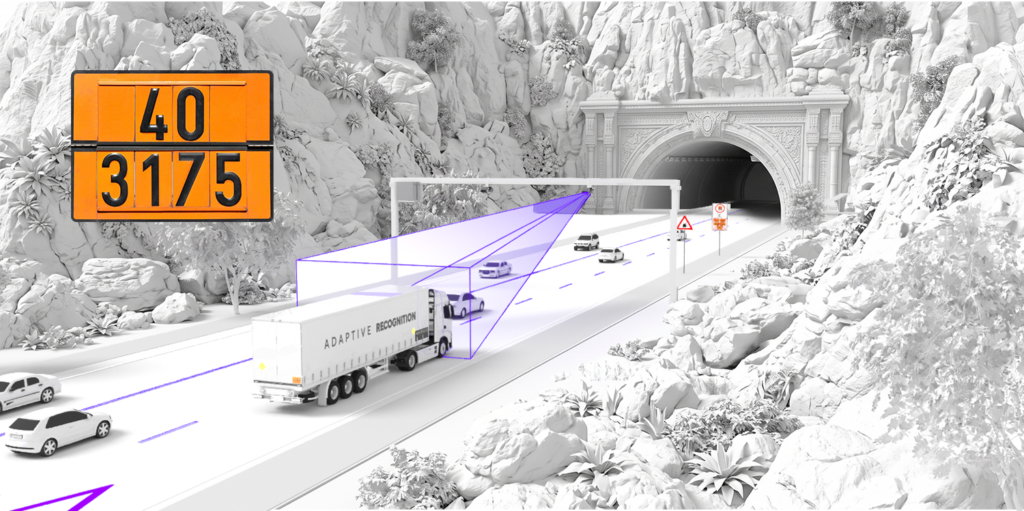
Recognize vehicles in free-flow traffic environments where road usage, charging, and multi-lane movement must be processed without stopping vehicles.

Tolling & Road Usage

Traffic Intelligence
for City-Scale Mobility Systems

Smart city and ITS platforms need traffic data that is accurate, contextual, and usable across different mobility systems. Adaptive Recognition helps turn roadside vehicle recognition into structured traffic intelligence for traffic management, LEZ operations, tolling, and road usage applications.

Vehicle Data with Operational Value

Traffic systems need more than a plate read. Vehicle identity and attributes help cities understand what types of vehicles move through the network.

  • License plate and region recognition
  • Vehicle make, model, color, and category
  • Vehicle images where required
  • Vehicle classification for mobility and road usage applications
Movement Context Across Roads and Zones

Vehicle data becomes more useful when it is connected to the road environment where movement takes place.

  • Roadside location and capture point
  • Lane, direction, and travel context
  • Zone entry and exit references
  • Corridor or multi-point movement records where applicable
Delivered into Mobility Platforms

Traffic intelligence must move cleanly into the systems cities and road operators already use for monitoring, policy, charging, and planning.

  • Structured traffic data delivery
  • API / SDK-based integration
  • Delivery into ITS, LEZ, tolling, and traffic management platforms
  • Data foundations for dashboards, analytics, and planning

Planning an Identity Verification Deployment?

Traffic Intelligence
That Holds Together Across the City

Traffic management, low-emission zones, tolling, and road usage systems often depend on the same basic need: reliable vehicle data from the road. Adaptive Recognition helps cities and road operators capture that data consistently across streets, corridors, zone boundaries, and transport infrastructure.

Reliable Data from Real Roads
Vehicle recognition must work in live traffic, not controlled conditions. Adaptive Recognition systems are built for roadside environments where speed, lighting, lane layout, weather, and vehicle mix can vary.
One View of Vehicle Movement
Cities need to understand how vehicles move across different parts of the network. Consistent recognition helps connect roadside capture points into a clearer picture of traffic movement.
Useful Across Mobility Operations
The same vehicle intelligence can support traffic monitoring, LEZ operations, tolling, road usage, and mobility planning without treating each use case as a disconnected project.
Built to Stay in Operation
ITS infrastructure has to keep working after installation. Adaptive Recognition supports long-term deployments through robust hardware, recognition software, centralized management, and service continuity.
Designed for Integration
into Smart Mobility Infrastructure
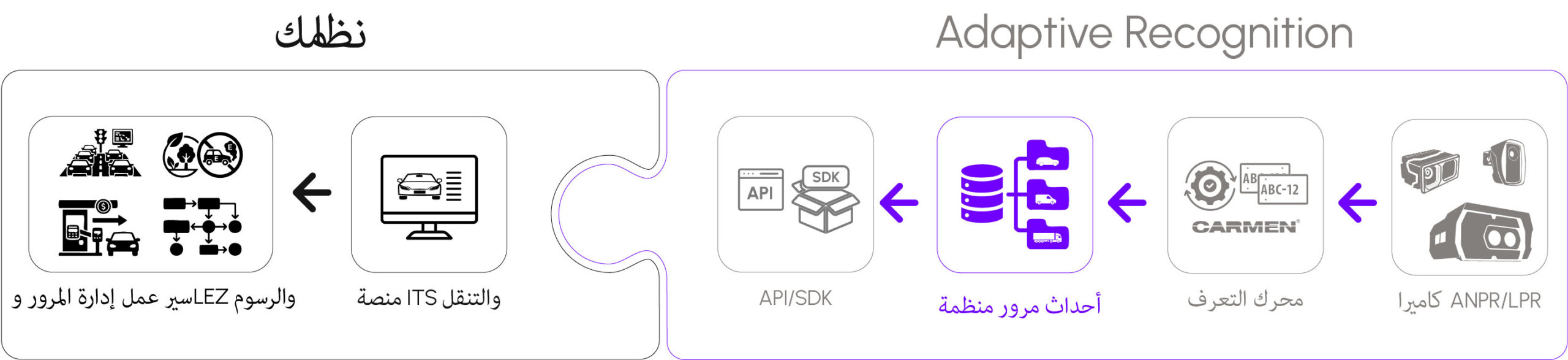
Adaptive Recognition acts as the roadside intelligence layer between vehicle movement and the platforms that manage urban mobility. Vehicle identity, movement context, and traffic data are structured at the recognition layer and delivered through documented interfaces into ITS, traffic management, LEZ, tolling, and analytics environments.
What Enforcement Teams
Evaluate Before Deployment

Before traffic enforcement systems are deployed, teams look beyond recognition accuracy. They assess whether the technology can support enforceable records, roadside variability, operational review, and long-term program control.

Network-Level Traffic Visibility

Mobility leaders need more than isolated roadside detections. Adaptive Recognition helps create consistent vehicle intelligence across roads, corridors, zones, and tolling points, supporting clearer visibility across
the mobility network.

Support for Mobility Policy Execution

Traffic policies only become operational when vehicle movement can be understood at the roadside. Adaptive Recognition supports LEZ, restricted-zone, tolling, and road usage initiatives with reliable vehicle data that connected systems can use.

Confidence Across Multiple Use Cases

Smart city programs often involve several mobility priorities at once. Adaptive Recognition helps cities use one consistent vehicle recognition approach across traffic management, regulated zones, tolling, and road usage applications.

Long-Term Program Value

ITS and smart city investments need to remain useful beyond the initial deployment. Adaptive Recognition supports long-term traffic infrastructure through recognition technology, centralized management options, and lifecycle service support.

Clean Data Handover

Integration teams need traffic data that can move from roadside systems into ITS platforms without custom handling at every location. Adaptive Recognition supports this through structured output and documented API / SDK interfaces.

Defined Recognition Layer

Vehicle recognition should sit clearly within the wider system architecture. Adaptive Recognition provides the roadside recognition layer, helping integrators keep traffic management, LEZ, tolling, and analytics logic separate and maintainable.

Consistency Across Deployment Points

Distributed ITS projects often involve different camera positions, lanes, roads, and operating conditions. Adaptive Recognition helps maintain consistent vehicle recognition logic across roadside locations, reducing integration complexity as systems expand.

Scalable System Architecture

Smart mobility infrastructure may start with selected corridors or zones and grow over time. Adaptive Recognition supports phased deployment models with recognition software, roadside hardware, and centralized management options that can scale across multiple sites.

Usable Traffic Data in Daily Operations

Traffic teams need vehicle data that is clear enough to support daily monitoring, not just technically available. Adaptive Recognition helps provide structured traffic intelligence that operators can use across roads, intersections, corridors, and zones.

Visibility Across Roadside Locations

Operators need to understand what is happening across distributed capture points. GDS can support centralized visibility into device status, event flow, alerts, and system behavior across monitored traffic infrastructure.

Reduced Manual Interpretation

Traffic operations become harder when data arrives as isolated camera outputs or inconsistent reads. Adaptive Recognition helps structure vehicle identity, movement context, and traffic data so teams can work with clearer information.

Operational Continuity During Change

Roadside systems need to remain useful through traffic variation, maintenance, updates, and expansion. Adaptive Recognition supports stable operation through recognition technology, centralized management, and service continuity where required.

Long-Term Deployment Confidence

ITS and smart city infrastructure is rarely a short-term purchase. Adaptive Recognition supports long-term roadside deployments with purpose-built hardware, recognition software, centralized management options, and lifecycle service support.

Supplier Continuity

Cities and road operators need confidence that hardware, software, updates, spare parts, and support remain available over time. Adaptive Recognition’s in-house development and manufacturing help reduce dependency risk across multi-year programs.

Phased Expansion Without Rework

Smart mobility projects often expand from selected roads, corridors, or zones into broader coverage. Adaptive Recognition supports phased deployment models so recognition infrastructure can grow without forcing a complete redesign.

Service Structure for Ongoing Operation

Adaptive Recognition Global Services can support deployments with Maintenance, Monitoring & Management, including SLA-based support, monitoring, remote diagnostics, escalation, and lifecycle continuity.

Deployed Across
Smart City and Road Usage Environments

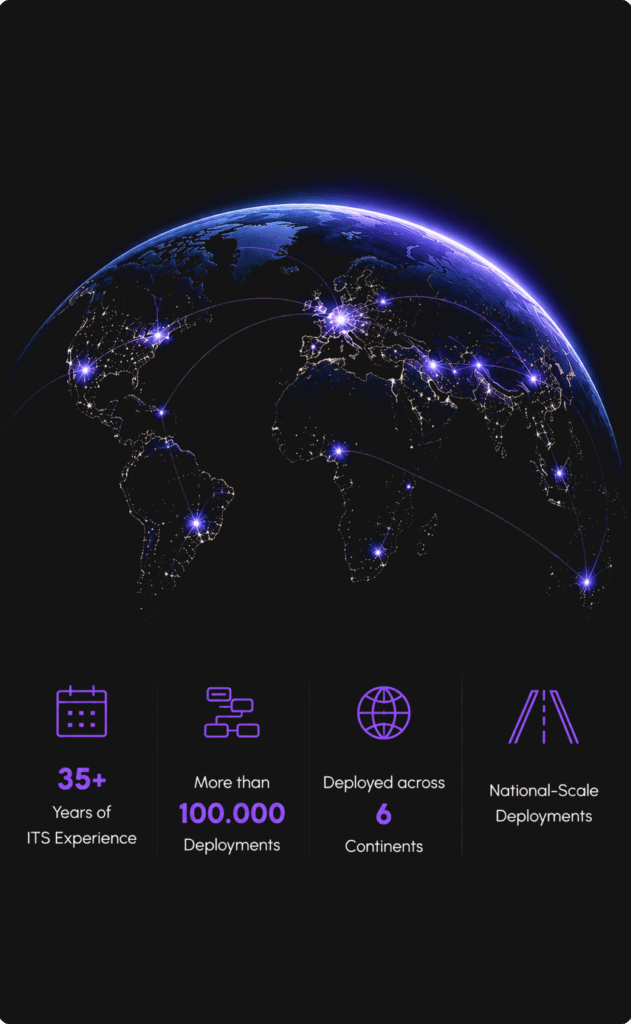
Adaptive Recognition technologies support traffic and mobility deployments where vehicle data must remain reliable across city roads, highways, tolling infrastructure, and connected traffic systems.

Parking & Access Control Camera for Hansab

: أجهزة Adaptive Recognition المستخدمة من قبل Hansab تحول تجربة مواقف السيارات مع دخول سلس وراحة محسنة.

ضمن حلاً للمواقف السيارات بدون عناء، نفذت Hansab نظامها المتطور للمواقف Entringo بالتعاون مع تطبيق uniPark سهل الاستخدام.
ANPR/LPR camera for Vias del Nus highway in Colombia

تقدم شركة Adaptive Recognition كاميرات Vidar Smart ANPR لمشروع امتياز في كولومبيا 

تعد هذه التكنولوجيا جزءًا من نظام عد المركبات على طريق فياس ديل نوس السريع في منطقة أنتيوكيا في كولومبيا.
ANPR API Carmen helps at tolling project in Denmark

دقة التعرف 99.9% لمشروع التحصيل التلقائي للرسوم في الدنمارك.

بفضل واجهة برمجة التطبيقات Carmen® ANPR API من Adaptive Recognition، يتم خصم المستخدمين المسجلين على موقع الويب بلوحات ترقيمهم وتفاصيل بطاقتهم تلقائيًا عند عبور جسر الأميرة الملكية ماري.
anpr-camera-in-finland-car-wash-featured

تجربة غسيل سيارات سلسة في فنلندا

تصل، يتم غسل سيارتك وتغادر على الفور. بدون دفع، بدون انتظار. تعلم كيف.

Ready to Evaluate Your Identity Verification Infrastructure?

Adaptive Recognition horizontal logo 2024
المراجع

مراجعنا تجاوز الأقوال واطّلع على الأدلة. استكشف مشاريعنا المرجعية ودراسات الحالة لترى الدليل الملموس على كيف تقدم Adaptive Recognition نتائج استثنائية.

الموارد

مواردنا من قبل أولئك الذين يرون التحديات كفرص ويعيدون كتابة تعريف المستحيل كل يوم

الدعم

دراسات حالة
Follow Adaptive Recognition