Show more
Read more
View product
View report
Drag
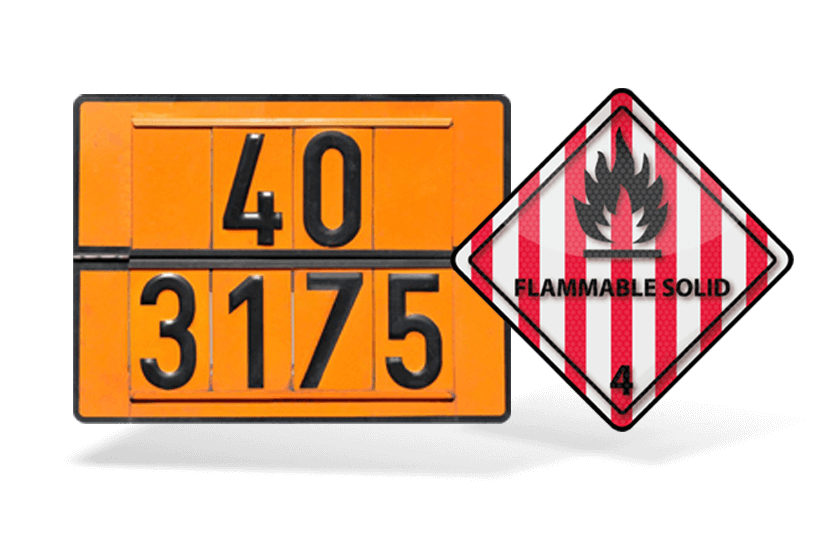
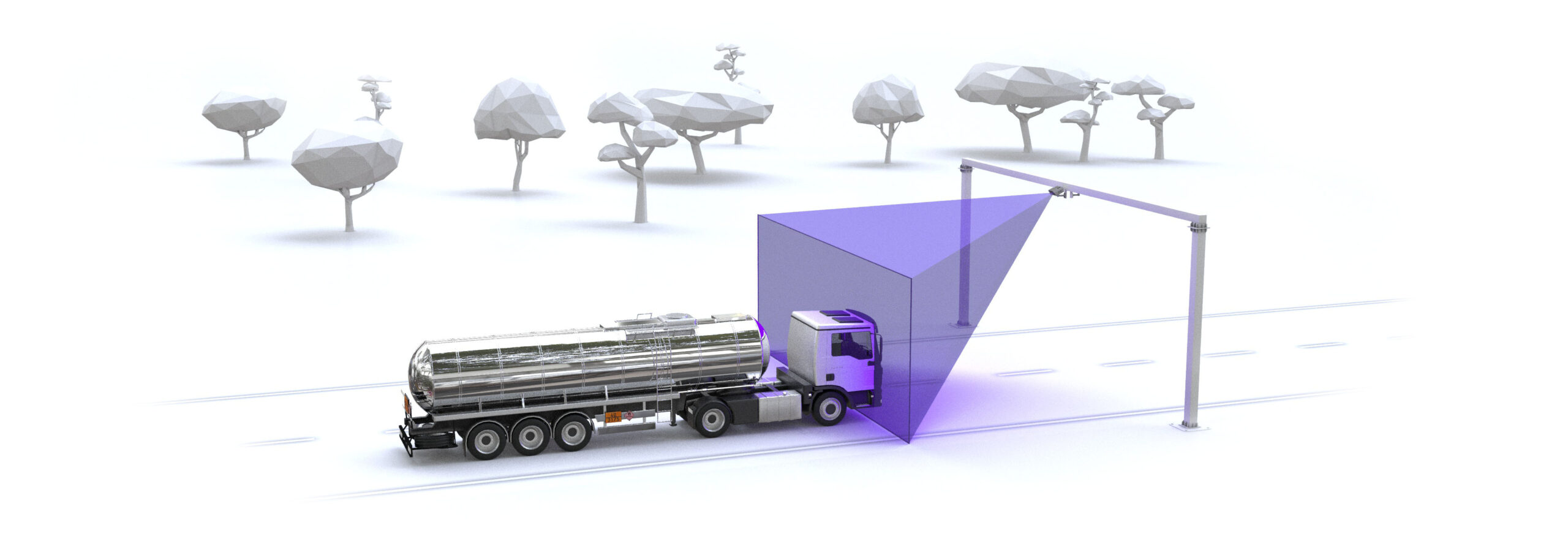
يُعد Carmen® ADR أداة أساسية لتعزيز السلامة في نقل المواد الخطرة. يقدم هذا البرنامج القوي دقة فائقة في التعرف على رموز ADR وIMDG، مما يضمن تحديد المواد الخطرة بسرعة. بفضل قدراته العالية على التكامل، يساعد Carmen® ADR على تبسيط العمليات وتزويد المستجيبين الأوائل بمعلومات حيوية، مما يساهم في توفير بيئة أكثر أمانًا للجميع.
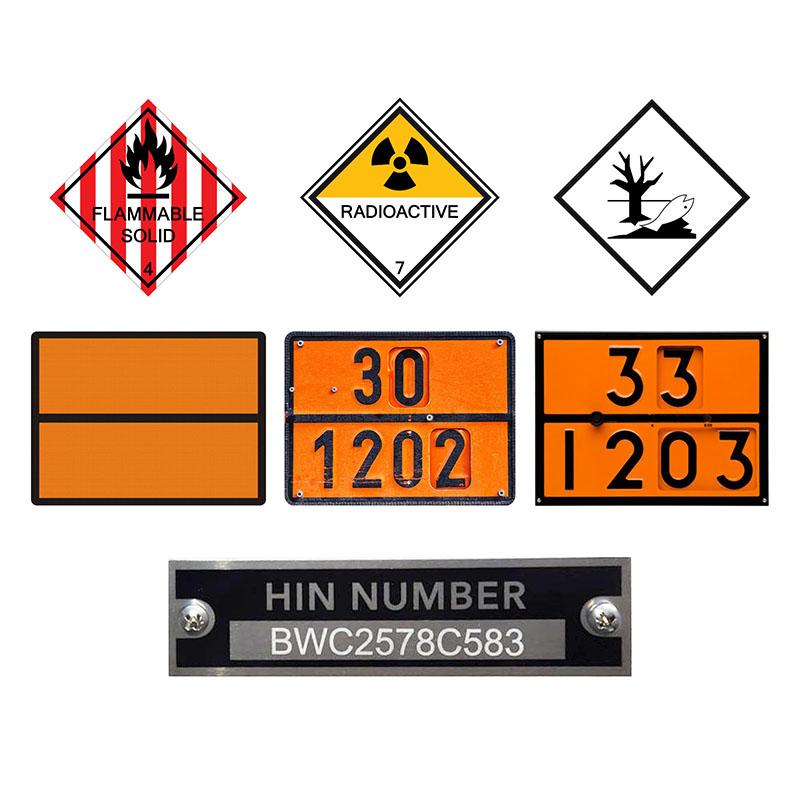
يتجاوز Carmen® ADR الحدود الجغرافية. توفر مكتبة البرامج لدينا دعمًا شاملاً لمجموعة واسعة من رموز المواد الخطرة، بما في ذلك رموز ADR وE-ADR وHIN وKEMLER وIMO. يضمن ذلك التشغيل المستمر بغض النظر عن الموقع أو نظام التسمية المستخدم، مما يجعلها حلاً عالميًا حقيقيًا للتعرف على المواد الخطرة. التكامل سهل. يتميز البرنامج بواجهة API سهلة الاستخدام، مما يسمح بدمجه بسهولة في البنية التحتية الحالية لديك، ويقلل من تعطل سير العمل ويسهّل اعتماد قدرات Carmen® ADR القوية في التعرف.
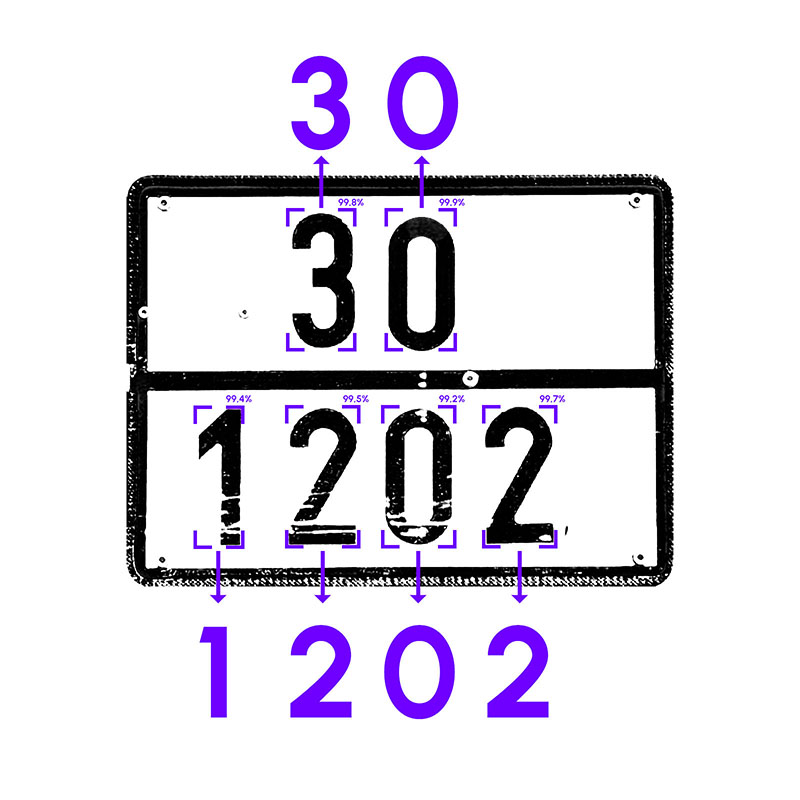
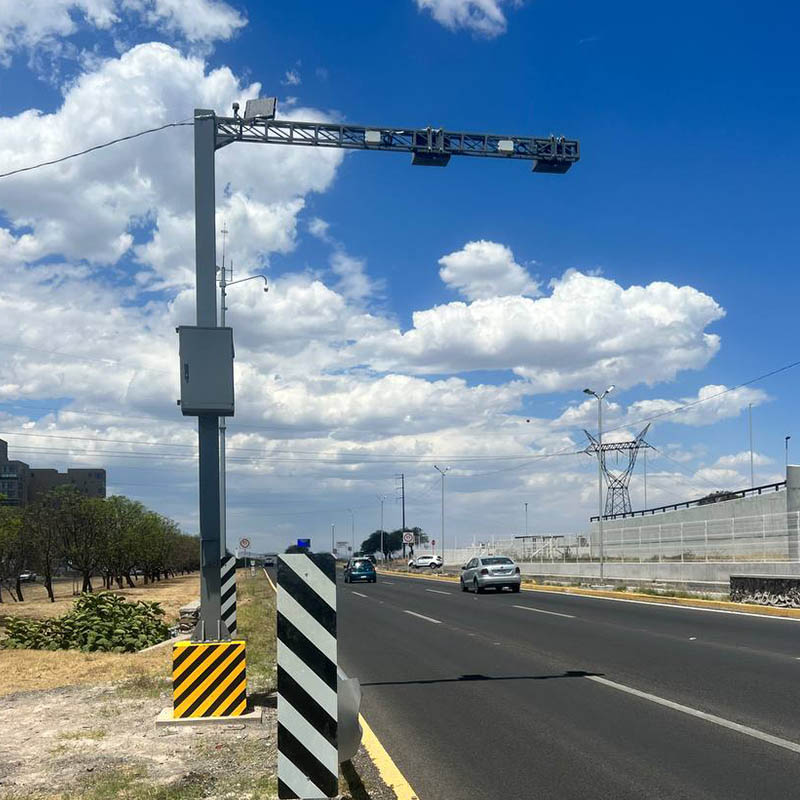
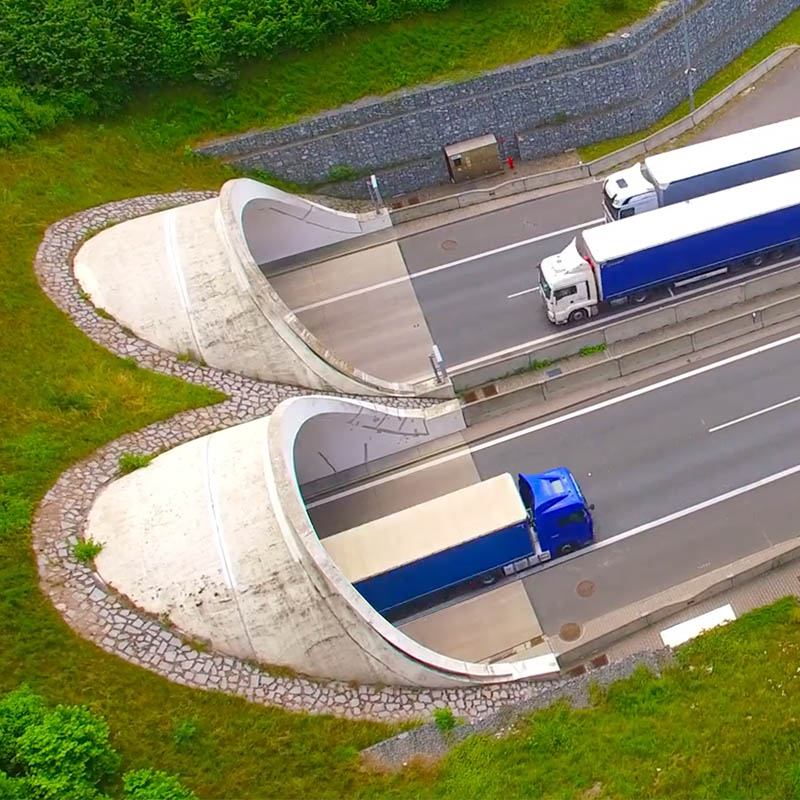
يتجاوز Carmen® ADR التعرف الأساسي على الرموز ليشمل أيضًا التعرف على الرموز الفارغة التي تمثل مواد خطرة متعددة. تعزز هذه القدرة المتقدمة السلامة على الطرق والجسور والأنفاق وجميع المناطق التي تُنقل فيها المواد الخطرة.
يعمل هذا البرنامج مع أنظمة مختلفة ويتيح تخصيص النتائج، مما يجعله سهل الاستخدام والتكامل. تُمكّنك هذه المواصفات المتقدمة من استغلال كامل إمكانيات Carmen® ADR، مما يزيد الدقة والكفاءة والقيمة الإجمالية.

يتم التعرف على رموز ADR وeADR وHIN وKEMLER وIMO (IMDG).

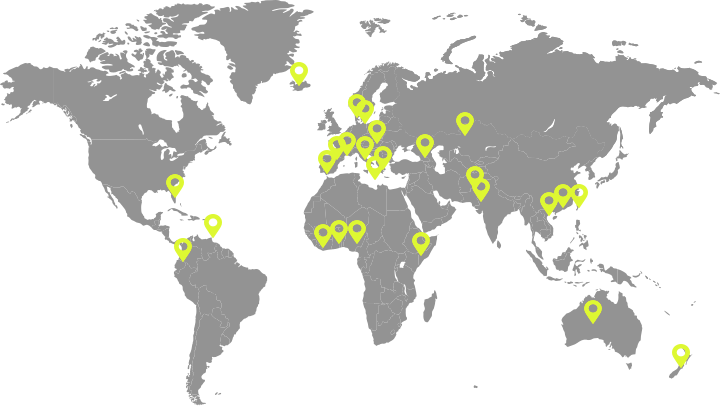
يُستخدم في آلاف الأنظمة حول العالم.

من الأنظمة الصغيرة والمتوسطة إلى الكبيرة والمعقدة.

يدعم SDK معالجة الصور

يعمل على نظامي ويندوز ولينكس.

يتم إصدار أربعة تحديثات سنويًا.
يتعرف Carmen® ADR على مجموعة واسعة من رموز المواد الخطرة، بما في ذلك رموز ADR وeADR وHIN وKEMLER وIMO (IMDG).
المتطلبات الدنيا لتشغيل Carmen® ADR هي معالج بسرعة 2 جيجاهرتز، وذاكرة وصول عشوائي 1 جيجابايت، وقرص صلب بسعة 1 جيجابايت. يدعم أنظمة التشغيل ويندوز (64-بت) ولينكس (32/64-بت).
يمكن لـ Carmen® ADR معالجة الصور الثابتة من الملفات أو الذاكرة بصيغ مختلفة مثل BMP وPNG وJPEG وRAW. يتضمن الإخراج بيانات ADR المعترف بها، ومستويات الثقة، وموقع كل رمز على الصورة.
يتميز Carmen® ADR بواجهة برمجة تطبيقات سهلة الاستخدام، تدعم لغات البرمجة مثل C/C++ وC# وVisual Basic .NET وJava لنظام ويندوز، وC/C++ وJava لنظام لينكس. هذا يجعل التكامل بسيطًا وفعالًا.
يتلقى Carmen® ADR أربع تحديثات سنويًا لضمان مواكبته للمعايير والتقنيات الجديدة، مما يعزز دقته وأداءه.
يشتمل Carmen® ADR على مكتبات تطوير (.dll، .so)، وتطبيق تجريبي، وأكواد نموذجية لكل لغة برمجة، ومتحكم في الشبكات العصبية. كما يتم توفير وثائق رقمية شاملة لتسهيل التكامل.
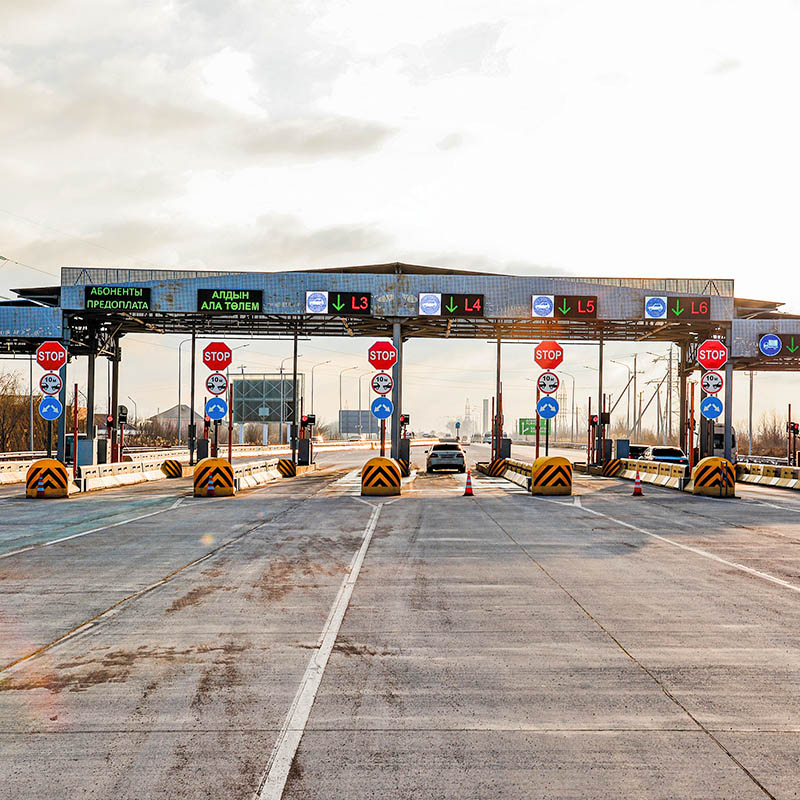
تجعل دقة Carmen® ADR الاستثنائية ووظائفه الشاملة منه أداة قيّمة لتطبيقات مختلفة تركز على التعرف الآمن والفعال على المواد الخطرة. إليك بعض الاستخدامات الأكثر شيوعًا:
/** \file ********************************************************************* * * cmanpr01 – CMANPR sample program * * 2006-2021 (c) Adaptive Recognition Hungary Inc. (http://www.adaptiverecognition.com) ******************************************************************************/ /** * Show an ANPR process * * Purpose: * At the beginning, the application is checking if everything is all right with the gxsd.dat syntax, if not, the execution will stop and will notify the user about the problem. * Shows how to do an ANPR on an image and print out the result in text */ #include “gxsdldr.c” #include “gximage.h” #include “cmanpr.h” #include “gxproperty.h” //—————————————————————————— // If an error occurred it displays the error and terminates the program void term_if_err(int st) { int err_code; wchar_t err_str[256]; if(st) return; // No error occurred // Displays error code and description err_str[(sizeof(err_str)/sizeof(wchar_t))-1] = 0; gx_geterror(&err_code, err_str, (sizeof(err_str)/sizeof(wchar_t))-1); fprintf(stderr, “GX error (%x) occurred: %ls\n”, err_code, err_str); // Terminates the program exit(1); } //—————————————————————————— int main(void) { struct gxHANDLE anprhandle, imagehandle; struct gxIMAGE *image; struct cmNP *anprresult; struct gxHANDLE prophandle; char propstat[512] = “”; wchar_t engname[256]=L””; int st; int b_islic; /** Open the container reader */ st = gx_openmodulea(&prophandle, “gxproperty”, “default”); term_if_err(st); if (!gx_ispropertiesvalid(prophandle, propstat, 512)) { printf(“The gxsd.dat file is invalid.\n%s\n”, propstat); exit(1); } printf(“The syntax of the gxsd.dat file is fine!\n\n”); // Opens the ANPR module with default properties st = gx_openmodule(&anprhandle, L”cmanpr”, L”default”); term_if_err(st); // Opens the image module and allocates the image structure st = gx_openmodule(&imagehandle, L”gximage”, L”default”); term_if_err(st); st = gx_allocimage(imagehandle, &image); term_if_err(st); // Gets the name of the default engine st = gx_getmoduleproperty(anprhandle,L”anprname”,engname,256); term_if_err(st); printf(“Engine: ‘%ls’\n\n”, engname); // Checks the licenses for the default engine b_islic = 0; st = cm_findlicenses4engine(anprhandle,0,0,&b_islic,0,0); term_if_err(st); if (!b_islic) { printf(“Cannot find licenses for the current engine!!!\n”); exit(1); } // Loads the sample image st = gx_loadimage(imagehandle, image, L”../../../data/plate.jpg”, GX_UNDEF); term_if_err(st); // Finds the first license plate anprresult = 0; st = cm_findfirst(anprhandle, image, &anprresult); term_if_err(st); if(anprresult) { char cc[256]=””; // Get short country code st = cm_getcountrycode(anprhandle,anprresult->type,(int)CCT_COUNTRY_SHORT,cc,sizeof(cc)); term_if_err(st); //Displays the result, Country code and type printf(“Plate text: ‘%s’; Country code: ‘%s’ (%i)\n”, anprresult->text, cc[0]?cc:”No plate type”, anprresult->type); // Frees up the result st = gx_globalfree(anprresult); term_if_err(st); } else { // No plate printf(“No license plate found\n”); } // Frees up the resources st = gx_unrefimage(imagehandle, image); term_if_err(st); st = gx_unrefhandle(&imagehandle); term_if_err(st); st = gx_unrefhandle(&anprhandle); term_if_err(st); return 0; } //——————————————————————————
/** \file ********************************************************************* * * cmanpr01 – CMANPR sample program * * 2006-2021 (c) Adaptive Recognition Hungary Inc. (http://www.adaptiverecognition.com) ******************************************************************************/ /** * Show an ANPR process * * Purpose: * At the beginning, the application is checking if everything is all right with the gxsd.dat syntax, if not, the execution will stop and will notify the user about the problem. * Shows how to do an ANPR on an image and print out the result in text */ #include “gxsdldr.cpp” #include “gximage.h” #include “cmanpr.h” #include “gxproperty.h” //—————————————————————————— using namespace std; using namespace gx; using namespace cm; //—————————————————————————— int main(void) { try { gxProperty gxProperty; gxProperty.IsPropertiesValid(); cout << “The syntax of the gxsd.dat file is fine!\n” << endl; // Creates the ANPR object cmAnpr anpr(“default”); // Creates the image object gxImage image(“default”); // Gets the name of the default engine wcout << L”Engine: ‘” << anpr.GetProperty(L”anprname”) << L”‘\n\n”; // Checks the licenses for the default engine if (!anpr.CheckLicenses4Engine(L””,0)) { wcout << L”Cannot find licenses for the current engine!!!\n”; return 1; } // Loads the sample image image.Load(“../../../data/plate.jpg”); // Finds the first license plate if(anpr.FindFirst(image)) { // Get short country code gxOutStr cc = anpr.GetCountryCode(anpr.GetType(),(int)CCT_COUNTRY_SHORT); //Displays the result, Country code and type wcout << L”Plate text: ‘” << anpr.GetText() << L”‘; Country code: ‘” << (cc.length()>0?cc: L”No plate type”) << L”‘ (” << anpr.GetType() << L”)\n”; } else { wcout << L”No license plate found\n”; } } catch(gxError &e) { // Displays error code and description wcerr << L”GX error (” << e.GetErrorCode() << “) occurred: ” << e.GetErrorString() << L”\n”; // Terminates the program return 1; } return 0; } //——————————————————————————
/** \file ********************************************************************* * * cmanpr01 – CMANPR sample program * * 2006-2021 (c) Adaptive Recognition Hungary Inc. (http://www.adaptiverecognition.com) ******************************************************************************/ /** * Show an ANPR process * * Purpose: * At the beginning, the application is checking if everything is all right with the gxsd.dat syntax, if not, the execution will stop and will notify the user about the problem. * Shows how to do an ANPR on an image and print out the result in text */ using System; using gx; using cm; namespace cmanpr01 { class MainClass { public static void Main(string[] args) { try { gxProperty gxProperty = new gxProperty(); gxProperty.IsPropertiesValid(); Console.WriteLine(“The syntax of the gxsd.dat file is fine!\n”); // Creates the ANPR object cmAnpr anpr = new cmAnpr(“eur”); // Creates the image object gxImage image = new gxImage(“default”); // Gets the name of the default engine Console.WriteLine(“Engine: ‘{0}'”, anpr.GetProperty(“anprname”)); Console.WriteLine(); // Checks the licenses for the default engine if (!anpr.CheckLicenses4Engine(“”, 0)) { Console.WriteLine(“Cannot find licenses for the current engine!!!”); return; } //Console.ReadKey(); // Loads the sample image image.Load(“../../../../../../data/plate.jpg”); // Finds the first license plate if (anpr.FindFirst(image)) { // Get short country code String cc = anpr.GetCountryCode(anpr.GetType(), (int)CC_TYPE.CCT_COUNTRY_SHORT); //Displays the result, Country code and type Console.WriteLine(“Plate text: ‘{0}’; Country code: ‘{1}’ ({2})”, anpr.GetText(), cc.Length > 0 ? cc : “No plate type”, anpr.GetType()); } else { Console.WriteLine(“No license plate found”); } Console.ReadKey(); } catch(gxException) { Console.Error.WriteLine(“GX error (” + gxSystem.GetErrorCode() + “) occured: ” + gxSystem.GetErrorString()); Console.ReadKey(); } } } }
/** \file ********************************************************************* * * cmanpr01 – CMANPR sample program * * 2006-2021 (c) Adaptive Recognition Hungary Inc. (http://www.adaptiverecognition.com) ******************************************************************************/ /** * Show an ANPR process * * Purpose: * At the beginning, the application is checking if everything is all right with the gxsd.dat syntax, if not, the execution will stop and will notify the user about the problem. * Shows how to do an ANPR on an image and print out the result in text */ import com.adaptiverecognition.gx.*; import com.adaptiverecognition.cm.*; public class cmanpr01 { static { try { System.loadLibrary(“jgx”); System.loadLibrary(“jcmanpr”); } catch(UnsatisfiedLinkError e) { System.err.println(“Native code library failed to load.” + e); System.exit(1); } } public static void main(String argv[]) { try { gxProperty gxProperty = new gxProperty(); gxProperty.IsPropertiesValid(); System.out.println(“The syntax of the gxsd.dat file is fine!\n”); // Creates the ANPR object cmAnpr anpr = new cmAnpr(“default”); // Creates the image object gxImage image = new gxImage(“default”); //Gets the name of the default engine System.out.println(“Engine: ‘” + anpr.GetProperty(“anprname”) + “‘”); System.out.println(); // Checks the licenses for the default engine if (!anpr.CheckLicenses4Engine(“”,0)) { System.out.println(“Cannot find licenses for the current engine!!!\n”); System.exit(1); } // Loads the sample image image.Load(“../../data/plate.jpg”); // Finds the first license plate if(anpr.FindFirst(image)) { // Get short country code String cc = anpr.GetCountryCode(anpr.GetType(),jcmanprConstants.CCT_COUNTRY_SHORT); //Displays the result, Country code and type System.out.println(“Plate text: ‘”+anpr.GetText()+”‘; Country code: ‘” + (cc.length()>0?cc: “No plate type”) + “‘ (” + anpr.GetType() + “)”); } else { System.out.println(“No license plate found”); } // Frees up resources anpr.delete(); image.delete(); } catch(RuntimeException e) { System.err.println(“GX error (” + String.format(“0x%08x”,gxSystem.GetErrorCode()) + “) occured: ” + gxSystem.GetErrorString()); System.exit(1); } } }
‘/** \file ********************************************************************* ‘ * ‘ * cmanpr01 – CMANPR sample program ‘ * ‘ * 2006-2021 (c) Adaptive Recognition Hungary Inc. (http://www.adaptiverecognition.com) ‘ ******************************************************************************/ ‘ ‘/** ‘ * Show an ANPR process ‘ * ‘ * Purpose: ‘ * At the beginning, the application is checking if everything is all right with the gxsd.dat syntax, if not, the execution will stop and will notify the user about the problem. ‘ * Shows how to do an ANPR on an image and print out the result in text ‘ */ Imports System Imports gx Imports cm Module Main Sub Main() Try Dim gxProperty As gxProperty = New gxProperty gxProperty.IsPropertiesValid() Console.WriteLine(“The syntax of the gxsd.dat file is fine!”) Console.WriteLine() ‘ Creates the ANPR object Dim anpr As cmAnpr = New cmAnpr(“default”) ‘ Creates the image object Dim image As gxImage = New gxImage(“default”) ‘ Gets the name of the default engine Console.WriteLine(“Engine: ‘{0}'”, anpr.GetProperty(“anprname”)) Console.WriteLine() ‘ Checks the licenses for the default engine If Not anpr.CheckLicenses4Engine(“”, 0) Then Console.WriteLine(“Cannot find licenses for the current engine!!!”) Exit Sub End If ‘ Loads the sample image image.Load(“../../../../../../data/plate.jpg”) ‘ Finds the first license plate If anpr.FindFirst(image) Then ‘ Get short country code Dim cc As String cc = anpr.GetCountryCode(anpr.GetType(), CC_TYPE.CCT_COUNTRY_SHORT) If cc.Length = 0 Then cc = “No plate type” ‘ Displays the result, Country code and type Console.WriteLine(“Plate text: ‘{0}’; Country code: ‘{1}’ ({2})”, anpr.GetText(), cc, anpr.GetType()) Else Console.WriteLine(“No license plate found”) End If Console.ReadKey() Catch ex As gxException Console.Error.WriteLine(“GX error (” + gxSystem.GetErrorCode().ToString() + “) occured: ” + gxSystem.GetErrorString()) Console.ReadKey() End Try End Sub End Module
1 - 5
2 - 10
4 - 20
3 - 7
6 - 14
12 - 28
5 - 10
10 - 20
20 - 40
خبراء المبيعات والمنتجات لدينا هنا لمساعدتك. اتصل بنا أو ابحث عن شريك بالقرب من موقعك.

For those who chase breakthroughs.
Explore products that push the
boundaries of what you can achieve.
Every industry faces unique obstacles. Discover how Adaptive Recognition can be your partner in tackling them head-on and emerging stronger.
Go beyond the claims, see the proof.
Explore our reference projects and
case studies for tangible evidence of
how Adaptive Recognition delivers
exceptional outcomes