
العلاقة التكافلية بين المدن الذكية وتقنية ANPR
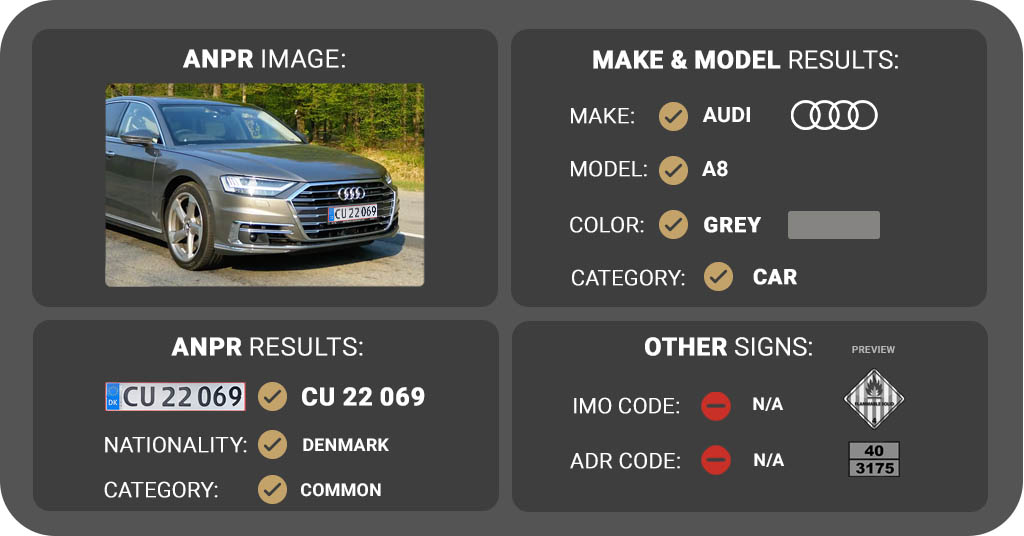
مع اعتناق المدن لمفهوم المدينة الذكية، حيث يتقاطع التكنولوجيا والتخطيط الحضري، تقف تقنية ANPR كتقنية رئيسية، تدعم العمل المتسق والكفاءة في هذه البيئات الحضرية. يتجلى الأثر التحولي لـ Adaptive Recognition على المدن الذكية بعدة طرق:
- إدارة حركة المرور في الوقت الفعلي: توفر أنظمة ANPR للمدن تدفقًا في الوقت الفعلي لبيانات حركة المرور، مما يتيح لها تحديد نقاط الازدحام، وتحسين توقيت إشارات المرور، وتنفيذ إغلاق الحارات الديناميكي للتخفيف من الاختناقات المرورية.
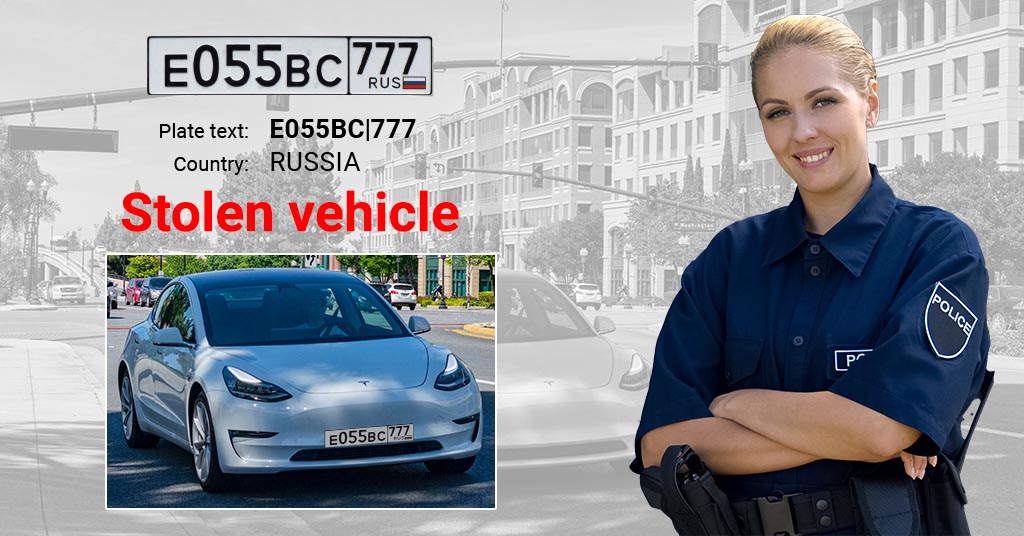
- تعزيز الأمن العام: يسهل ANPR الإنفاذ القانوني من خلال تتبع المركبات المسروقة، وتحديد المركبات المشاركة في أنشطة إجرامية، ودعم التحقيقات.
- تحسين إدارة مواقف السيارات: يمكن لنظام ANPR توجيه السائقين إلى مساحات وقوف السيارات المتاحة، مما يقلل من الوقت المستغرق في البحث عن مواقف السيارات ويحسن استخدامها.
- تخطيط التنقل الذكي: يمكن لبيانات ANPR إعلام المخططين الحضريين عن أنماط السفر والتوزيع الديموغرافي واحتياجات النقل، مما يمكنهم من تطوير خطط تنقل مستندة إلى البيانات.
- حماية البيئة: يمكن لـ ANPR دعم نظم التسعير الزحمة لتثبيط استخدام السيارات غير الضروري خلال ساعات الذروة، مما يقلل من الانبعاثات ويعزز وسائل النقل المستدامة.
قياس القيمة الاقتصادية لـ ANPR
أظهرت الدراسات فوائد اقتصادية كبيرة لتبني ANPR. أظهرت دراسة قامت بها لجنة البحوث في النقل عام 2019 أن ANPR يمكن أن يوفر لمدن الولايات المتحدة ما يصل إلى 500 مليون دولار سنويًا في التكاليف المتعلقة بالمرور.
قياس الأثر المالي لنظام التعرف على لوحات أرقام السيارات ANPR غير الدقيق
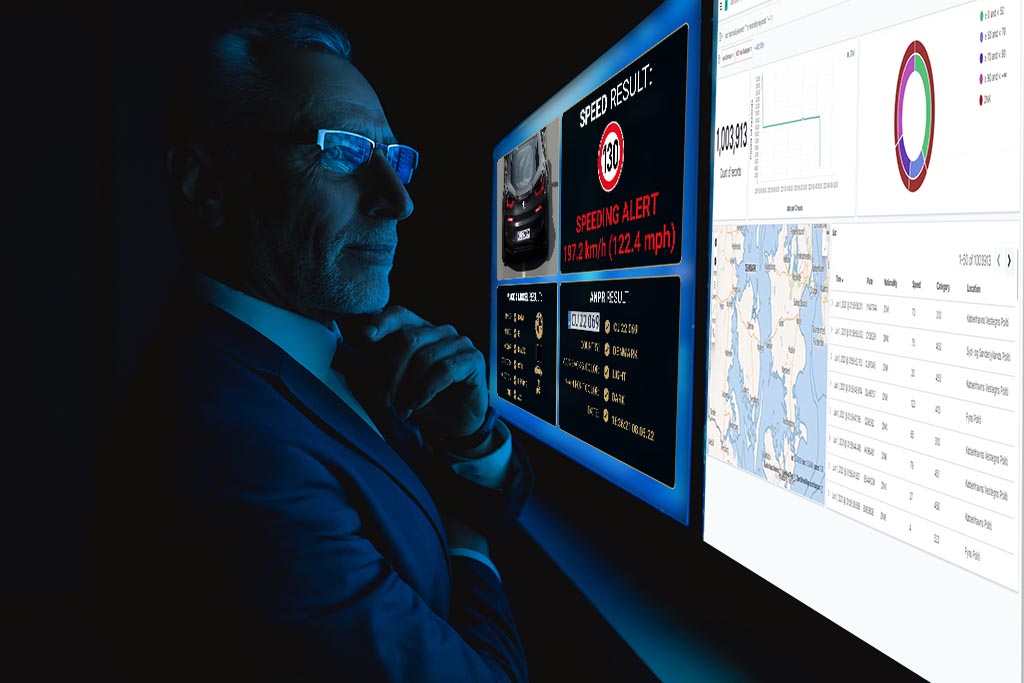
تعتمد فعالية نظام التعرف على لوحات أرقام السيارات على دقته في التقاط والتعرف على لوحات ترخيص المركبات. يزيد العتاد غير الدقيق لـ ANPR من الازدحام ويعيق استراتيجيات إدارة المرور الفعالة. يمتد الأثر المالي لـ ANPR غير الدقيق إلى ما بعد المركبات المفقودة، مؤثراً على الإنتاجية وتكاليف الرعاية الصحية واستهلاك الوقود. أظهرت دراسة أجرتها الوكالة الأوروبية للبيئة (EEA) أن تكلفة المركبات المفقودة في أوروبا وحدها تبلغ 6.8 مليار يورو (7.4 مليار دولار) سنويًا. يمكن أيضًا أن تؤدي بيانات ANPR غير الدقيقة إلى تقليل الإنتاجية بسبب الازدحام المروري، وزيادة تكاليف الرعاية الصحية بسبب التلوث الهوائي، وزيادة استهلاك الوقود بسبب التشغيل الطويل في حالة الازدحام المروري.
دراسة حالة: تكلفة دقة ANPR بنسبة 1%
لتوضيح الأثر المالي لـ ANPR غير الدقيق، دعونا نأخذ مثالًا على مدينة تعالج 50,000 مركبة يوميًا. إذا كانت نسبة دقة نظام ANPR 99٪، فهذا يعني أن 500 مركبة لا يتم تحديدها بشكل صحيح كل يوم. إذا فرضت المدينة رسومًا بقيمة 10 يورو للمركبة، فإن هذا يؤدي إلى خسارة إيرادات يومية قدرها 5,000 يورو. على مدار شهر، يترجم ذلك إلى خسارة بقيمة 150,000 يورو، وعلى مدار عام، يتجاوز إجمالي الخسارة 1.8 مليون يورو.
تبرز هذه الأرقام الأثر المالي الكبير الذي يمكن أن يكون لـ ANPR غير الدقيق على المدن. لذلك، فإن الاستثمار في أنظمة جمع البيانات الموثوقة ضروري لضمان أن تستفيد المدن من إمكانياتها الإيرادية وتحسين استراتيجيات إدارة المرور الخاصة بها.
Adaptive Recognition: شعلة الأمل في التنقل الحضري
في عالم معتاد على الكاميرات الخالية من العيوب، يمكن أن يكون الإمكان المحتمل لأنظمة ANPR غير الدقيقة تذكيرًا مؤلمًا بحدود التكنولوجيا. تمامًا مثل الكاميرا التي تفوت بشكل مستمر بعض التفاصيل، يمكن أن يؤدي خطأ دقة ANPR بنسبة 1٪ إلى فقدان كبير للبيانات القيمة.
Adaptive Recognition، الشركة الرائدة في تطوير تقنية التعرف التلقائي على لوحات المركبات (ANPR) المدعومة بالتعلّم الآلي، تحوّل ANPR إلى أداة موثوقة لتحسين التنقل الحضري. تقوم التكنولوجيا المتقدمة لـ Adaptive Recognition بتحسين دقة التعرف باستمرار، متكيفة مع الظروف المتغيرة وتحسّن الأداء مع مرور الوقت. تُمكّن كاميرات ANPR/LPR الخاصة بـ Adaptive Recognition من تحديد وتتبع المركبات بدقة حتى في البيئات الصعبة، مثل ظروف الإضاءة المنخفضة، والظروف المناخية القاسية، وأنماط المرور المعقدة. بفضل دقتها العالية، تمنح Adaptive Recognition المدن القدرة على الاستفادة الكاملة من إمكانات ANPR.
Low-Emission Projects Around the World
Cities worldwide are embracing innovative strategies to reduce traffic congestion and emissions, demonstrating a commitment to environmental sustainability and improved urban livability. These efforts encompass a range of initiatives, including congestion pricing schemes, investments in public transportation infrastructure, and the promotion of cycling and walking-friendly environments.
In addition to congestion pricing schemes and investments in public transportation infrastructure, cities worldwide are also embracing innovative technologies to reduce traffic congestion and emissions. One such technology is MMR, which enables cities to identify the make and model of vehicles passing through a camera’s field of view. This information can be used to improve traffic management, enhance public safety, promote sustainable urban mobility, and empower urban planning.
For example, MMR can be used to identify electric vehicles (EVs) and encourage their use through targeted incentives or infrastructure development. This can help to reduce reliance on fossil fuels and improve air quality. MMR can also be used to track stolen vehicles, identify vehicles involved in criminal activities, and support investigations. This can help to keep communities safe.
Amidst this global shift towards sustainable urban mobility, several cities have emerged as pioneers in implementing innovative congestion mitigation and emissions reduction projects.
Stockholm, Sweden, serves as a prime example of a city that has successfully implemented a congestion charge system to curb traffic congestion and emissions. Since its introduction in 2007, the Stockholm congestion charge has generated over €1.7 billion in revenue, reinvested in sustainable mobility initiatives. A study by the Stockholm Environment Institute (SEI) found that the congestion charge led to a 20% reduction in car traffic, resulting in substantial decreases in nitrogen oxide (NOx) emissions and particulate matter (PM) concentrations. (9)
London, England, has taken a multi-pronged approach by introducing a congestion charge, investing in public transportation improvements, and heavily focusing on electric vehicle (EV) infrastructure, aiming to become a zero-emission city by 2050. With over 16,000 public EV charging points installed, London incentivizes residents and businesses to adopt EVs. (10)
Singapore, another city making strides in reducing congestion and emissions, implemented an Area Licensing Scheme (ALS) and expanded public transportation infrastructure while promoting cycling through dedicated lanes and bike-sharing schemes. (11)
الخلاصة
Embracing ANPR for a Sustainable and Livable Future
The integration of low-emission projects aligns with the broader vision of fostering sustainable urban mobility. These initiatives complement each other in creating a more livable and environmentally friendly future for cities. ANPR, as a key technology in this transformation, can play a crucial role in optimizing traffic flow, reducing emissions, and improving overall urban mobility. As cities embrace the potential of ANPR, they pave the way for a future defined by efficiency, sustainability, and a high quality of life for residents.
Are you working on smart city projects that require ANPR expertise? Would you like to partner with us?
We offer cutting-edge ANPR solutions that can help you optimize traffic flow, improve public safety, and enhance urban mobility. With our proven expertise and innovative technology, we can help you achieve your smart city goals.
Here are some of the benefits of partnering with us for your ANPR needs:
- High-accuracy ANPR solutions: Our cameras and ANPR software can accurately read license plates in even the most challenging conditions, ensuring you get the most out of your ANPR data.
- Scalable solutions: We offer a range of ANPR solutions that can be scaled to meet the needs of cities of all sizes, from small towns to major metropolitan areas.
- Integrated solutions: Our ANPR solutions can be integrated with other city data sources, providing you with a comprehensive view of traffic and citywide operations.
If you are ready to improve your city’s mobility and enhance its safety, contact us today to discuss how our ANPR expertise can help you achieve your goals.
We are committed to helping cities become more livable and sustainable through the power of ANPR technology.
To get in touch with our Sales Director, Marton Sipos, please click the button below:
المراجع
- International Transport Forum (ITF). (2022). IVT Mobility Report 2022. Retrieved
- Transportation for London (TfL). (2023, January 27). Congestion Charge. Retrieved
- WayToPark. (2023). Parking App with ANPR Integration. Retrieved
- Arup. (2023, February 1). Singapore’s Smart Parking System: A Case Study. Retrieved
- Transportation Research Board (TRB). (2019). The Role of ANPR in Congestion Charging. Retrieved
- Transportation Research Board (TRB). (2019). The Role of ANPR in Congestion Charging. Retrieved
- European Environment Agency (EEA). (2019). Traffic Congestion Costs Europe €200 Billion Annually. Retrieved
- European Environment Agency (EEA). (2021). Air Pollution Costs Europe €400 Billion Annually. Retrieved
- Stockholm Environment Institute (SEI). (2019). A Case Study: Stockholm’s Congestion Charge and Its Economic Impact
- Transportation for London (TfL). (2023, January 27). Congestion Charge.
- Arup. (2023, February 1). Singapore’s Smart Parking System: A Case Study
